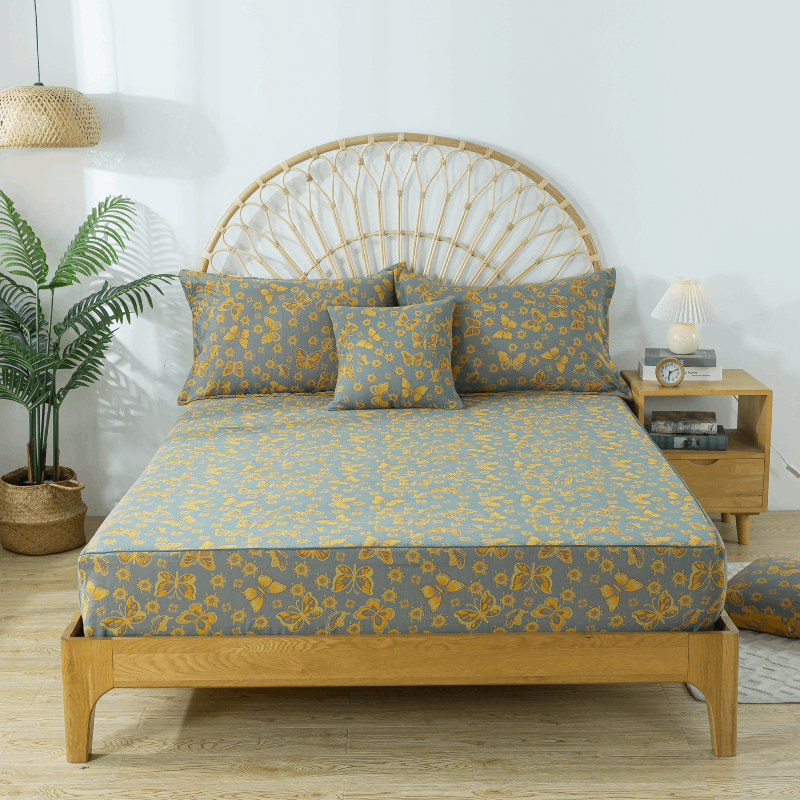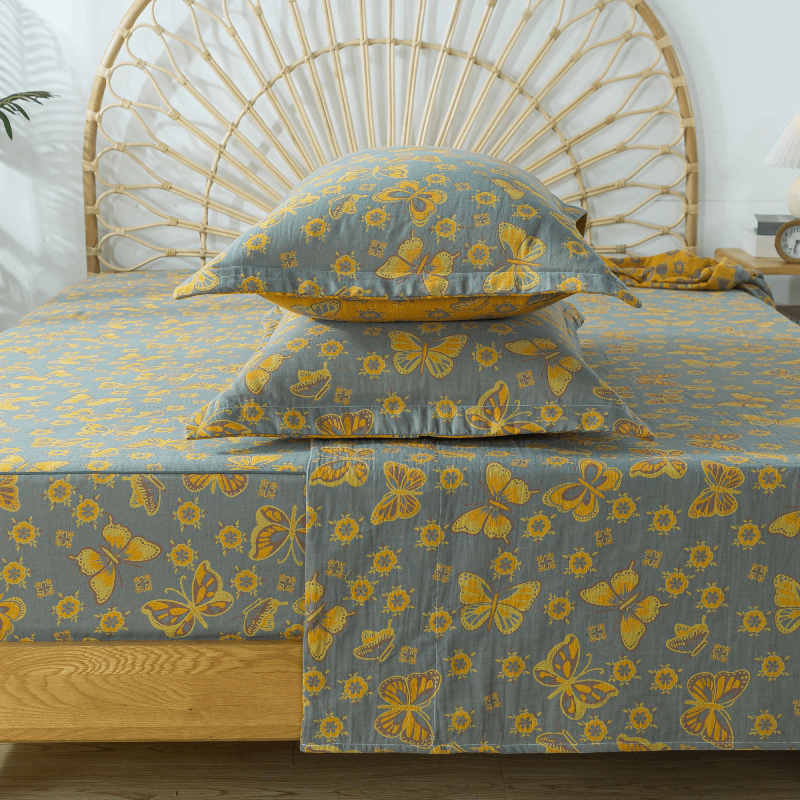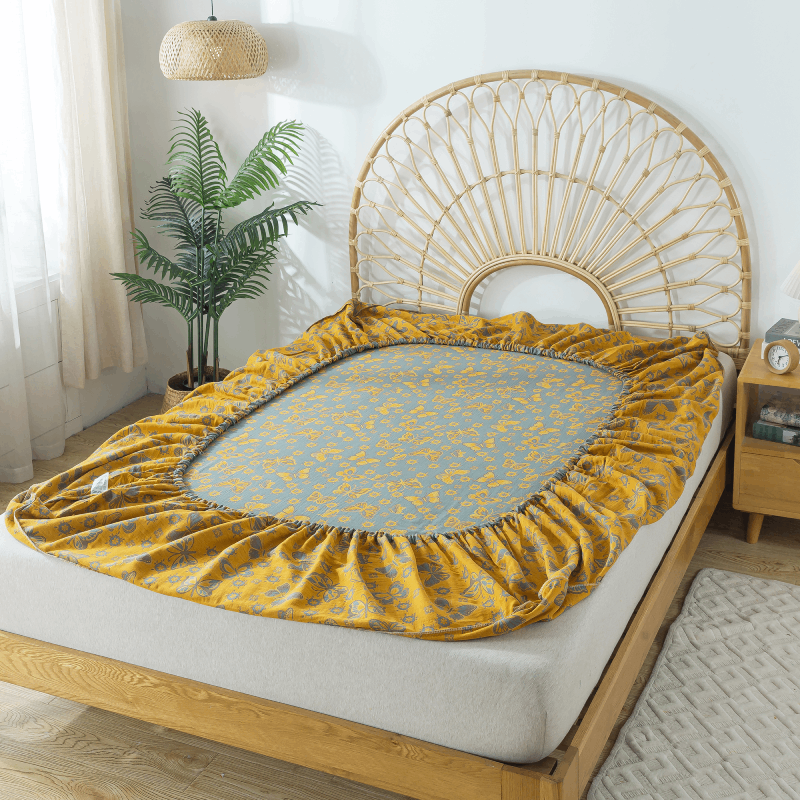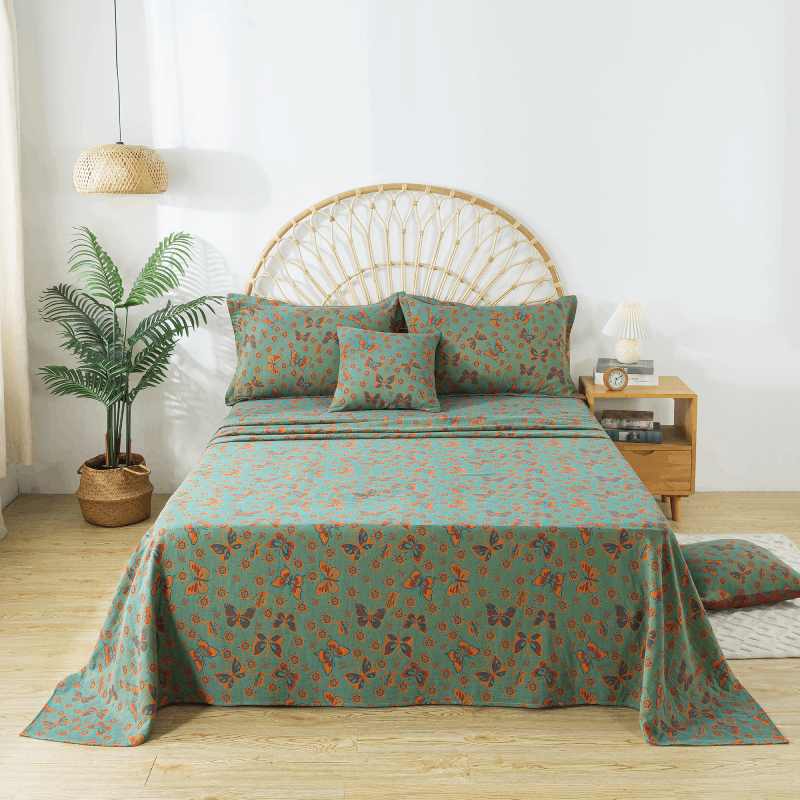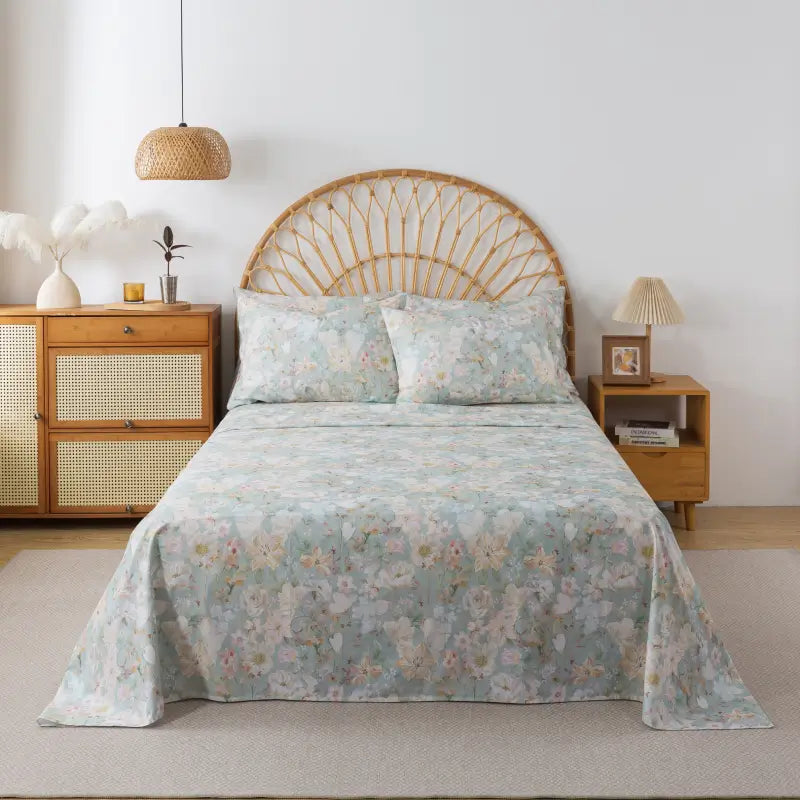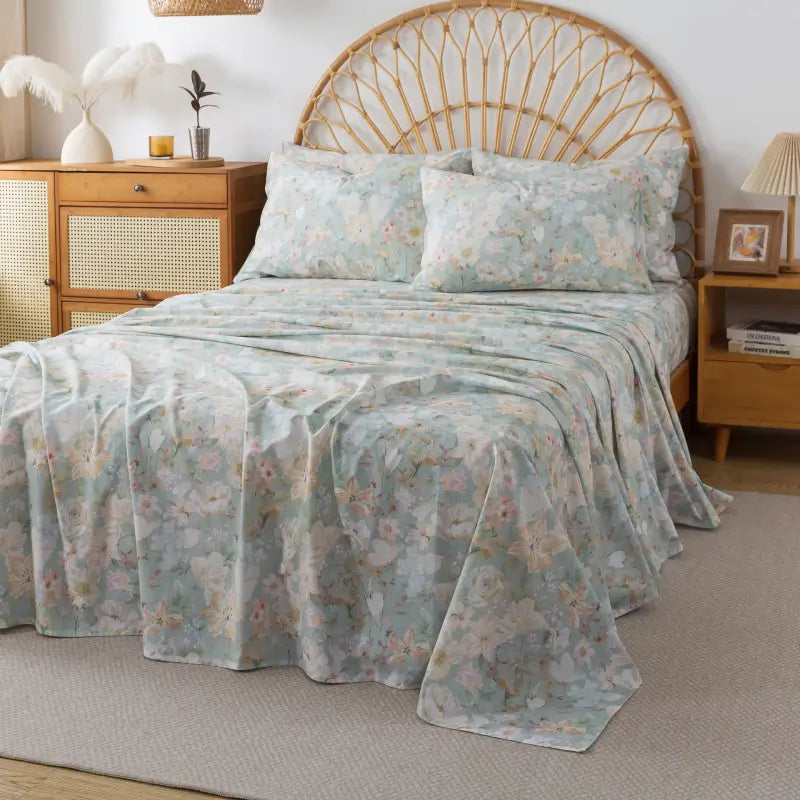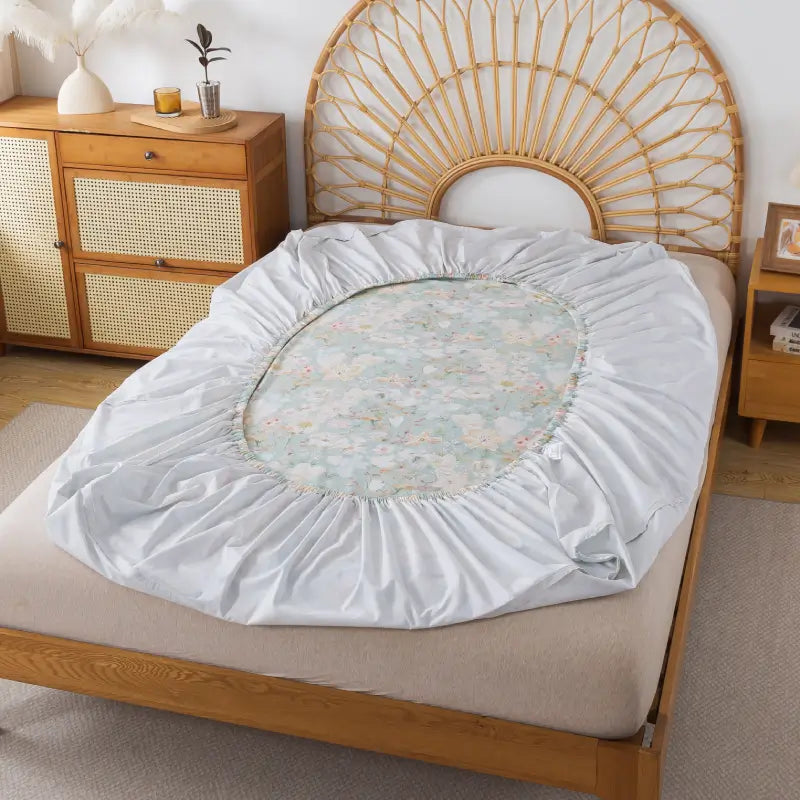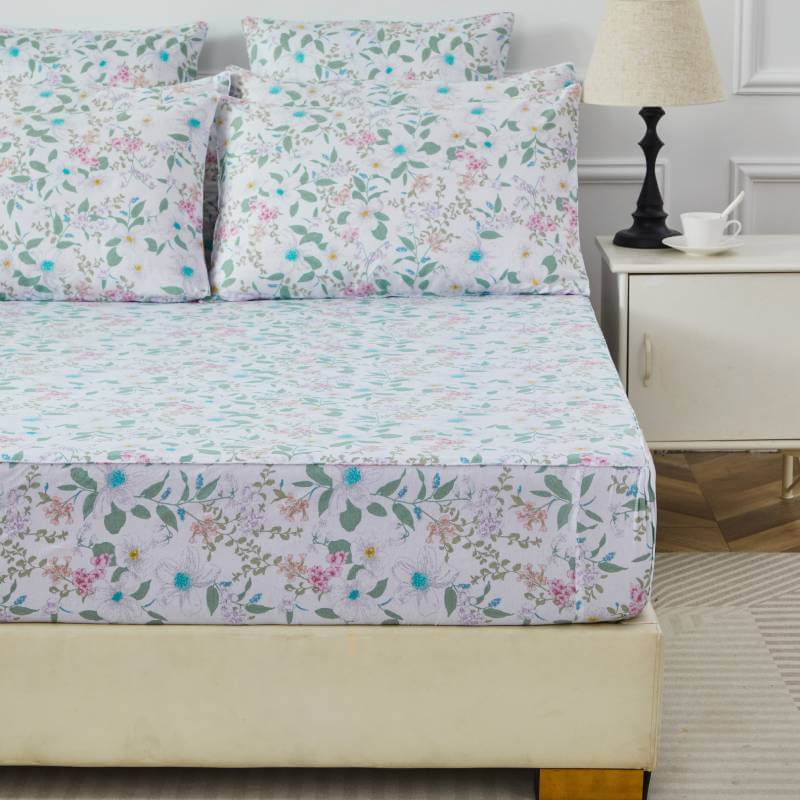




A bedroom is often thought of as a place to sleep, but in reality, it serves many roles. It is a space for rest, recovery, reflection, and daily routines. The way a bedroom functions is shaped not only by its layout or furniture, but by one of its most influential elements: bedding.
Bedding affects how a room feels, how it is used, and how easily it supports everyday life. Thoughtful bedding choices can quietly improve comfort, organization, and emotional well-being—without changing the structure of the room itself.
Bedding as the Functional Center of the Bedroom
The bed is the largest and most frequently used element in a bedroom. As a result, bedding naturally becomes the functional center of the space.
Bedding influences:
-
How inviting the room feels at the end of the day
-
How easily the bed transitions from sleep to daytime use
-
Whether the bedroom feels calm, cluttered, or balanced
When bedding is well chosen, it supports the room’s purpose rather than distracting from it.
Comfort Determines How the Space Is Used
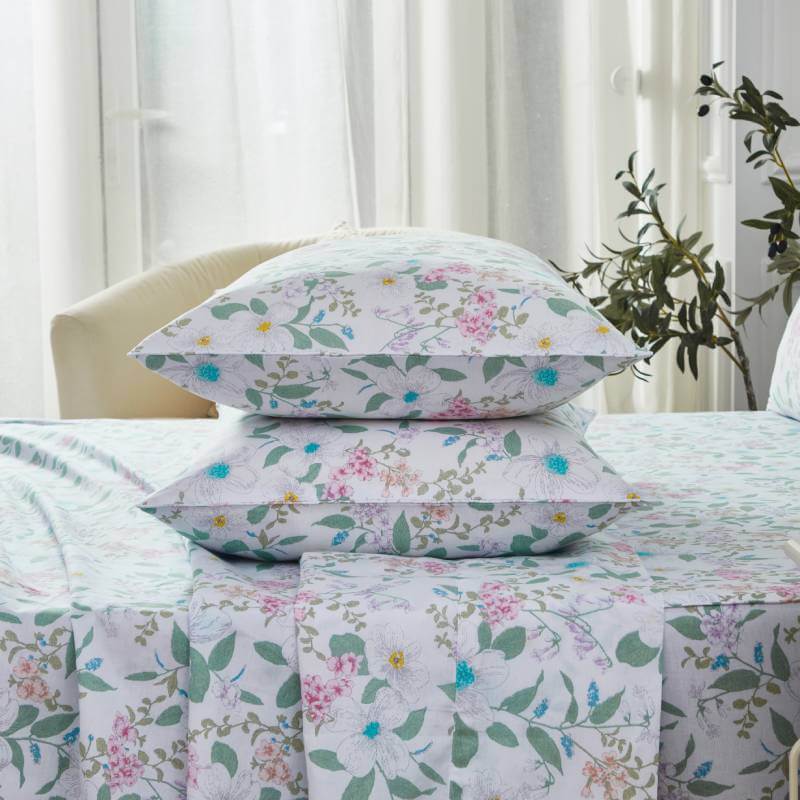
Comfort directly affects behavior. Bedding that feels breathable, soft, and supportive encourages the bedroom to function as a true place of rest.
Uncomfortable bedding can limit the room’s use to sleep alone. Comfortable bedding, on the other hand, allows the bed to become a place for reading, unwinding, or quiet reflection. This flexibility expands the functional value of the bedroom beyond nighttime hours.
Fabric choice, texture, and weight all play a role in how long and how comfortably the space can be used.
Visual Calm Supports Mental Function
A bedroom that functions well must also support mental clarity and relaxation. Bedding is often the most visually dominant element in the room, making its design especially important.
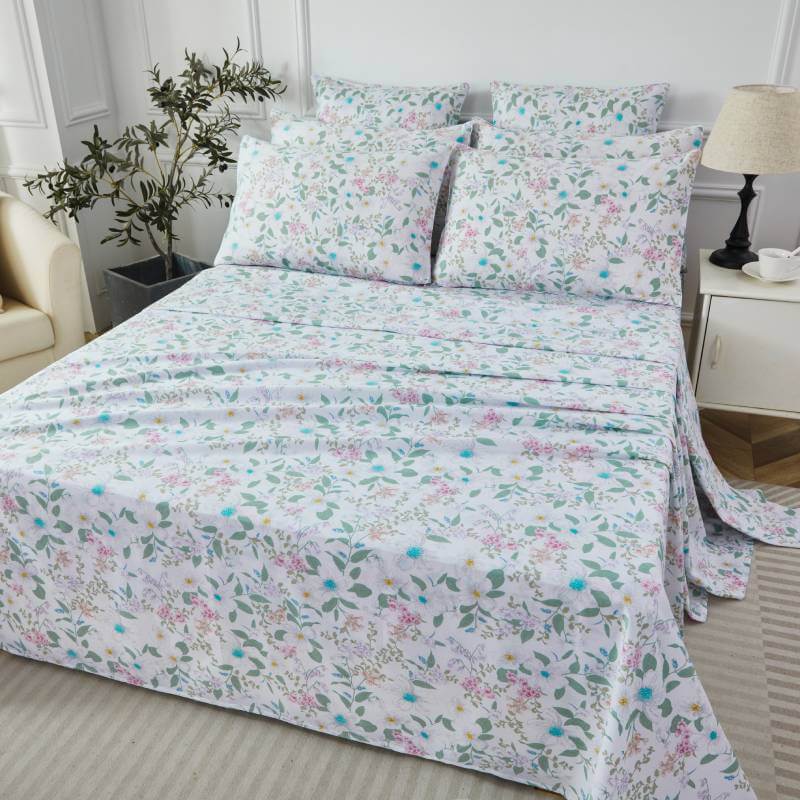
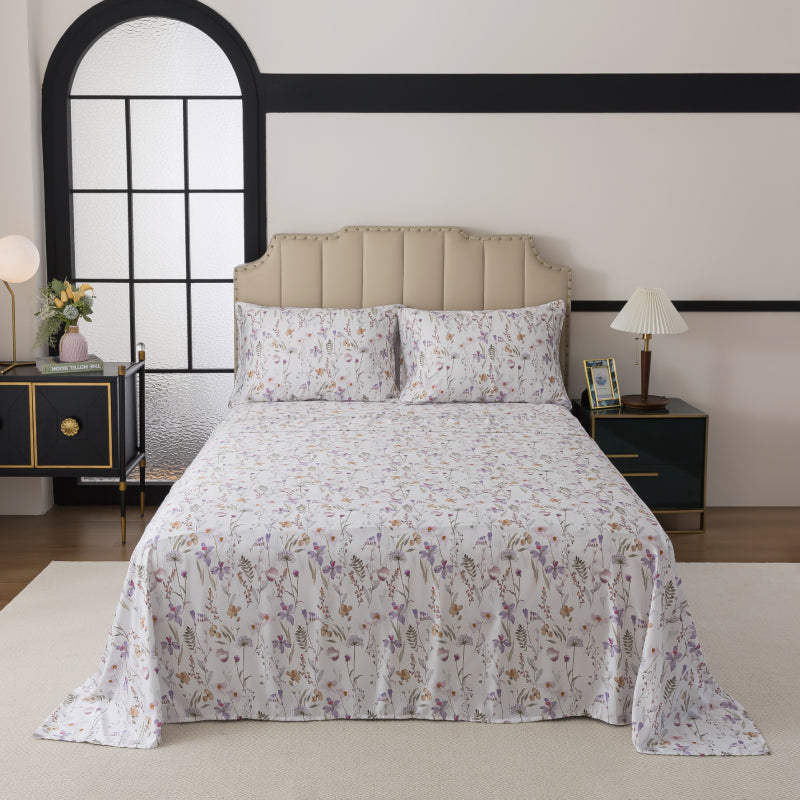
Balanced colors, gentle patterns, and cohesive styling help reduce visual noise. When the bed looks calm, the entire room feels more organized and intentional. This visual calm supports focus during the day and relaxation at night.
Overly busy patterns or high-contrast designs can make the room feel stimulating, which may interfere with rest.
Bedding Shapes Daily Routines
Daily routines—making the bed, changing sheets, preparing for sleep—are influenced by how bedding is designed.
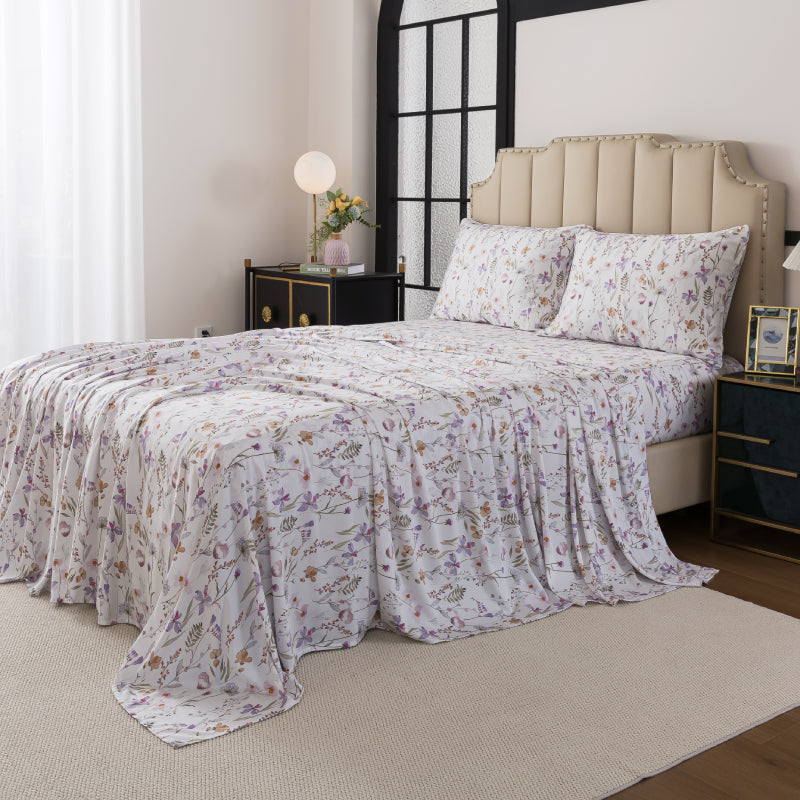
Well-constructed bedding that drapes naturally and maintains its shape makes routines easier and more satisfying. When bedding feels manageable rather than fussy, people are more likely to keep the space tidy, reinforcing a sense of order in the room.
This ease of use allows the bedroom to function smoothly without extra effort.
Adaptability Across Seasons and Activities
A functional bedroom adapts to seasonal changes and different needs. Bedding plays a key role in this adaptability.
Layerable bedding allows the room to function comfortably year-round. Lightweight materials work well in warmer months, while quilts or additional layers add warmth in cooler seasons. This flexibility reduces the need for constant redesign and helps the bedroom remain functional through change.
Emotional Comfort and a Sense of Security
Function is not purely practical—it is emotional as well. Bedding contributes to how safe, familiar, and comforting a bedroom feels.
Familiar textures and patterns create emotional stability, especially during periods of stress or transition. When bedding feels consistent and supportive, the bedroom becomes a reliable retreat rather than just a place to sleep.
This emotional function is essential to how a bedroom supports daily life.
Supporting Organization and Simplicity
Thoughtful bedding choices can also support organization. Bedding with a cohesive color palette and restrained design reduces the need for excessive décor or accessories.
When the bed itself feels complete and intentional, the room requires fewer additional elements. This simplicity helps the bedroom function as a calm, uncluttered space that is easier to maintain.
Longevity and Long-Term Function
Bedding that is designed to last contributes to the long-term function of the bedroom. Durable fabrics, quality stitching, and timeless designs reduce the need for frequent replacement.
This longevity supports consistency, which helps the bedroom maintain its function over time rather than feeling constantly in transition.
Final Thoughts
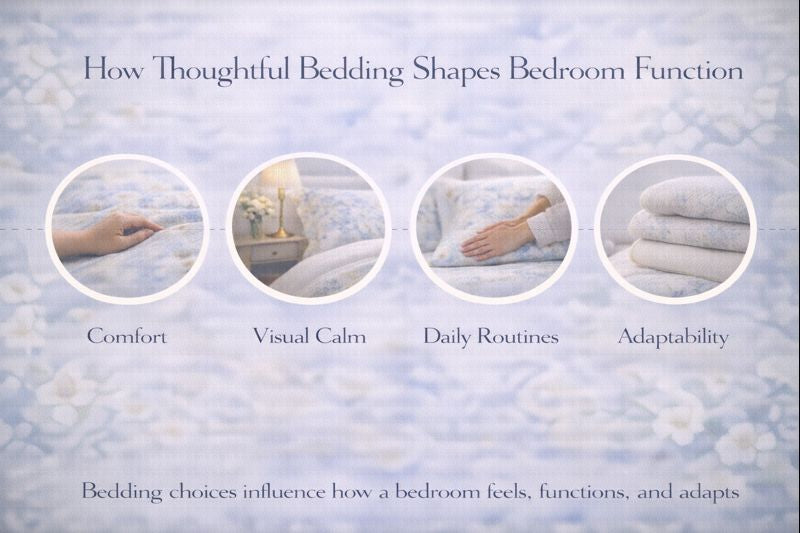
Bedding choices shape how a bedroom functions in ways that go far beyond appearance. Through comfort, visual calm, adaptability, and emotional support, bedding quietly determines whether a bedroom truly serves its purpose.
When chosen thoughtfully, bedding allows a bedroom to function as a place of rest, balance, and everyday ease—supporting not just sleep, but the rhythm of daily life itself.