




Refreshing a bedroom does not have to involve replacing major furniture pieces or committing to a full renovation. In many cases, thoughtful adjustments to textiles, color, layout, and lighting can dramatically change how a space feels. By focusing on details and atmosphere rather than large purchases, you can create a bedroom that feels renewed, intentional, and comfortable.
Below are practical, design-focused strategies to refresh your bedroom while keeping your existing furniture in place.
1. Rethink Your Bedding as the Visual Anchor
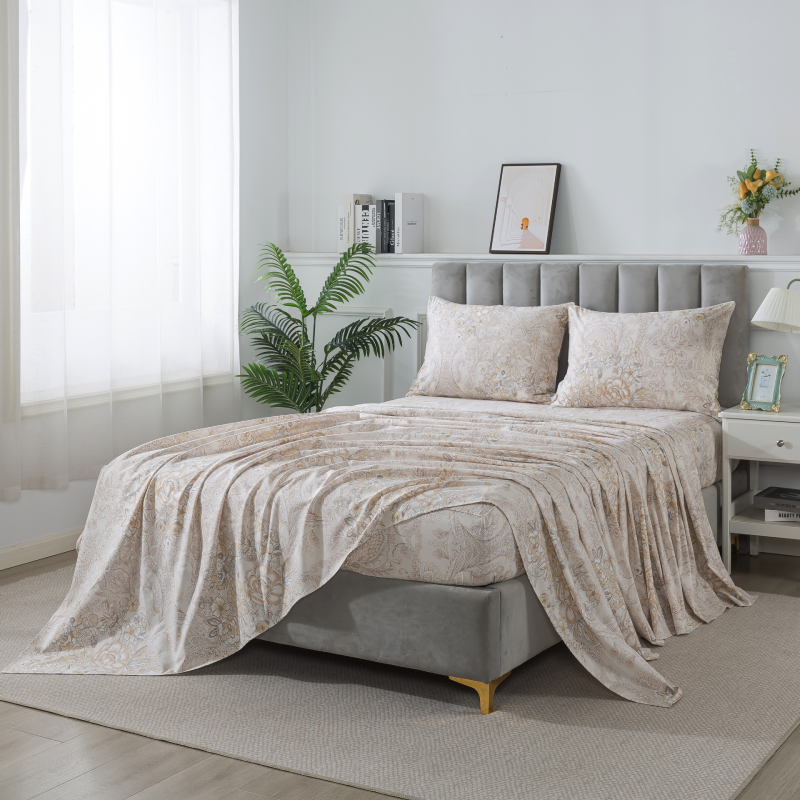
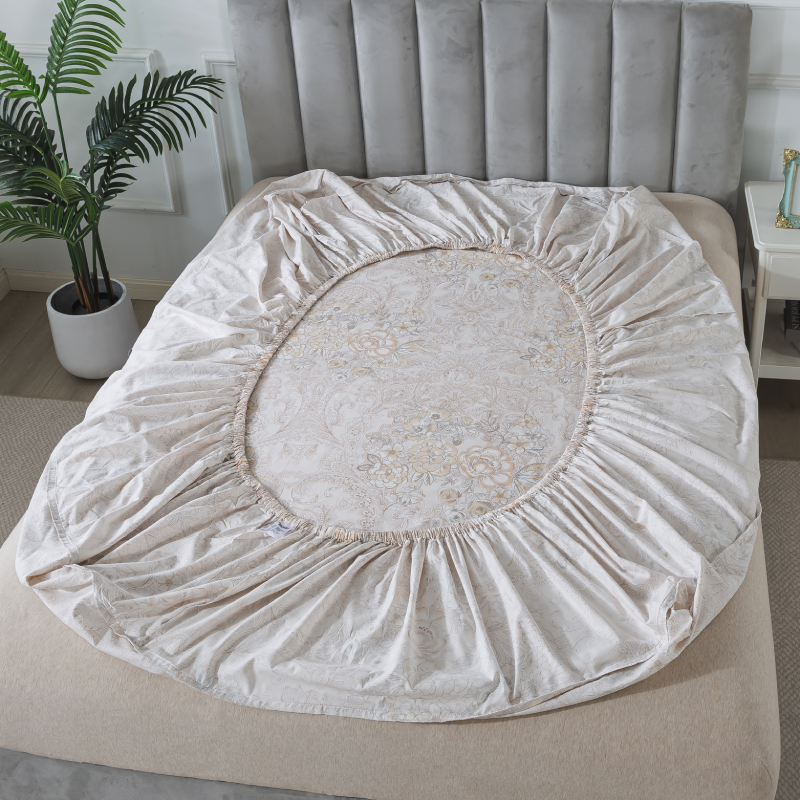
The bed is usually the largest visual element in a bedroom, which makes bedding the most effective place to start. Changing your duvet cover, sheets, or pillowcases can instantly reset the tone of the entire room.
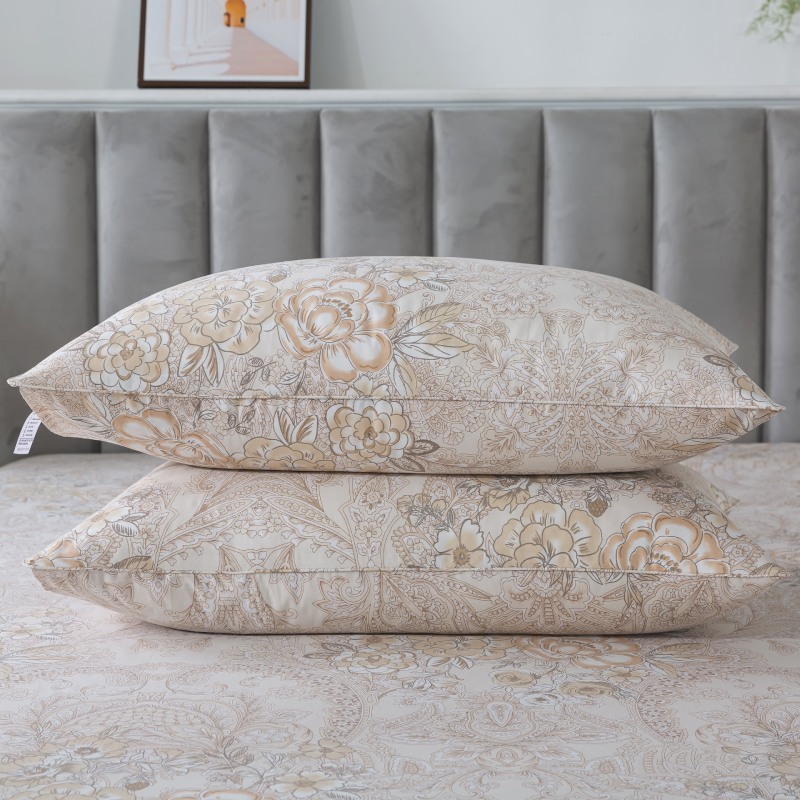
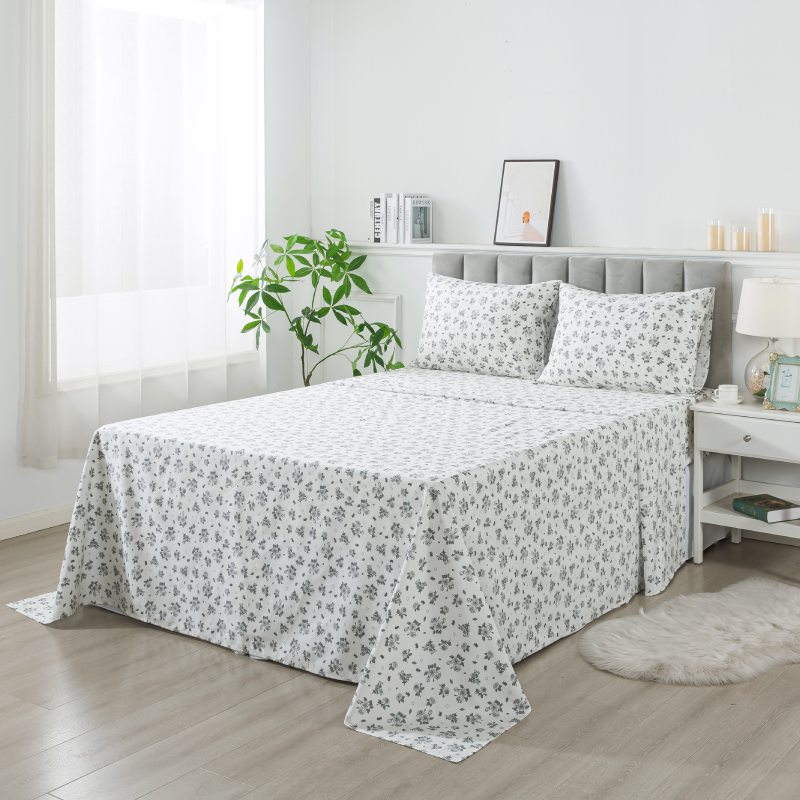
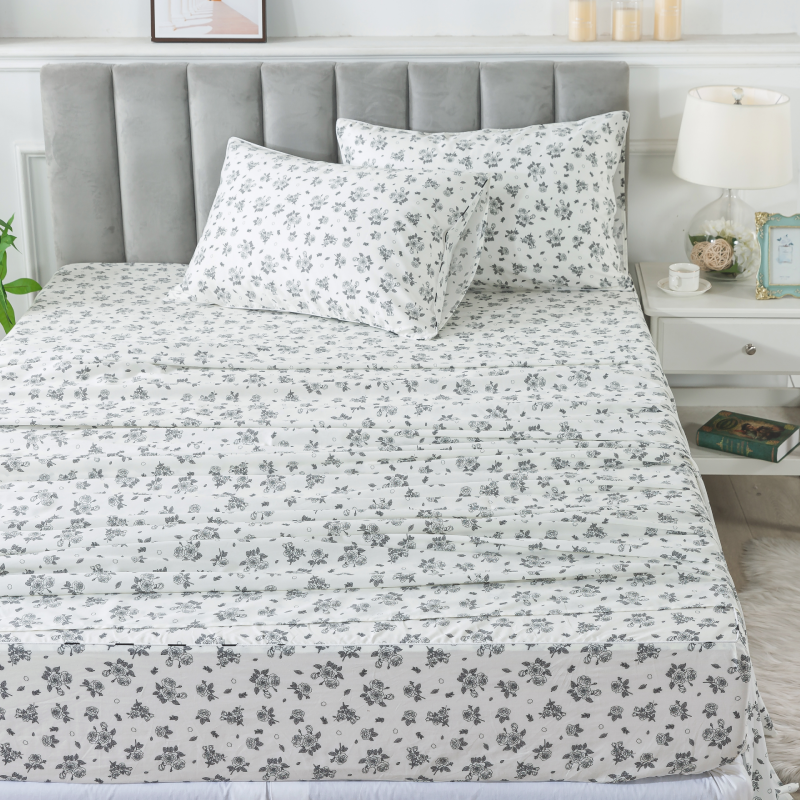
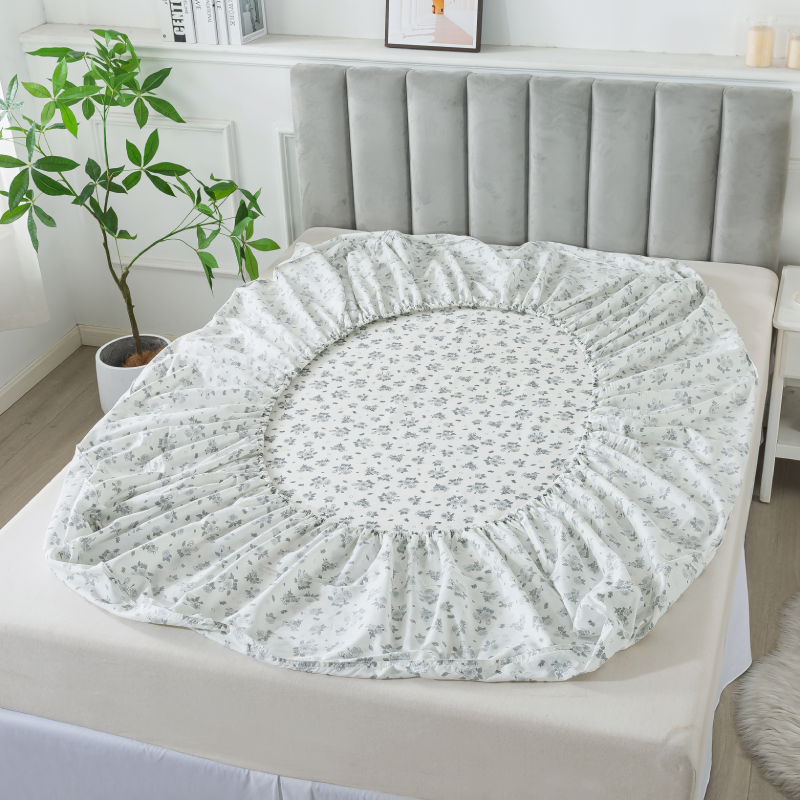
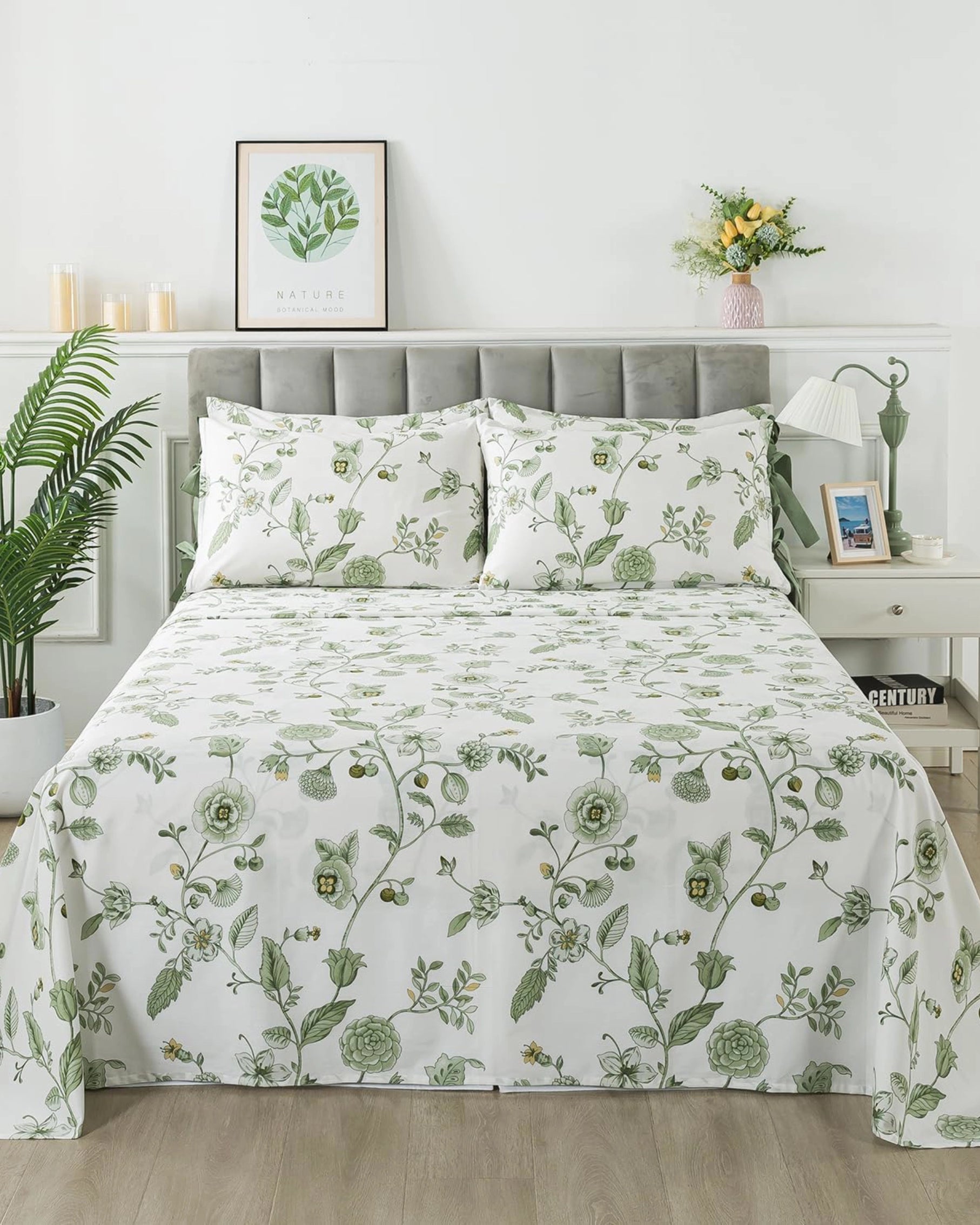
Soft florals, subtle patterns, or layered neutrals add depth without overwhelming the space. If your room feels flat, introducing contrast—such as pairing a light floral duvet with solid sheets—can create balance. Texture also matters: crisp cotton, lightly quilted coverlets, or relaxed finishes add dimension even in a restrained color palette.
2. Layer Textiles for Warmth and Depth
Beyond bedding, layering textiles throughout the room brings warmth and visual interest. A throw at the foot of the bed, a different fabric for accent pillows, or a lightweight blanket draped casually can make the room feel more curated.
Window treatments also play a role. Swapping heavy curtains for softer, lighter fabrics—or simply adjusting how they are styled—can significantly change how natural light moves through the space, making the room feel calmer and more open.
3. Adjust Color Balance Instead of Repainting
You do not need to repaint walls to change the color story of your bedroom. Color balance can be shifted through accessories and textiles.
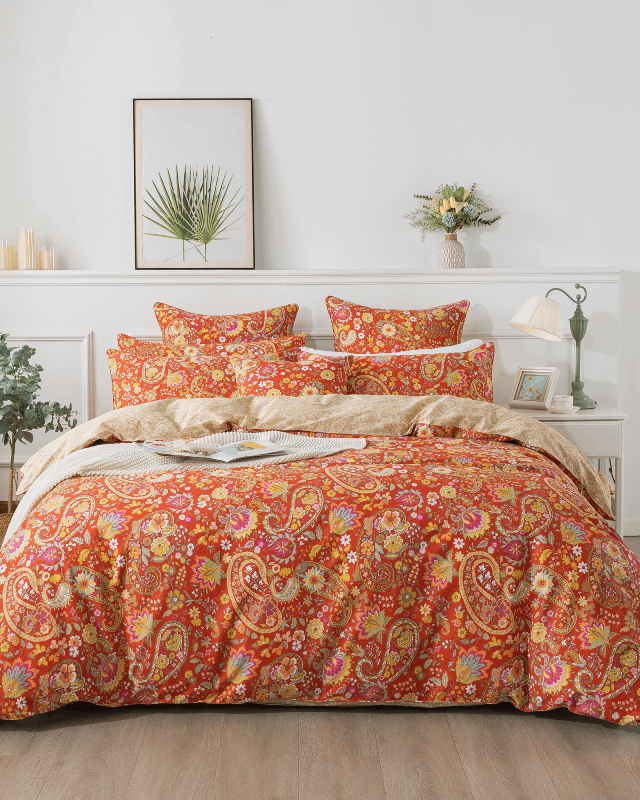
If your room feels too cool, introduce warmer tones through bedding patterns, pillows, or throws. If it feels heavy, lighter shades and softer prints can help lift the space. Florals with muted backgrounds or low-contrast palettes are particularly effective for creating harmony without visual clutter.

4. Rearrange for Better Flow
Sometimes the most effective refresh comes from rearranging what you already own. Shifting the bed slightly, changing the orientation of a nightstand, or removing one non-essential piece can improve flow and make the room feel larger.
Try to create clearer pathways and ensure that the bed remains the focal point. Even small changes in spacing can make a room feel more intentional and less crowded.
5. Update Lighting for Mood, Not Just Function
Lighting strongly influences how a bedroom feels at different times of day. Without changing fixtures, you can still adjust the mood by rethinking light sources.
Use warm bulbs instead of cool white, add a soft bedside lamp, or introduce layered lighting so the room is not dependent on a single overhead source. Diffused, low-level lighting pairs especially well with soft textiles and floral patterns, reinforcing a sense of calm.
6. Curate, Don’t Decorate
Refreshing a bedroom is as much about editing as it is about adding. Remove items that feel visually noisy or no longer serve a purpose. Leave space for the eye to rest.
A small number of well-chosen accents—such as a framed textile-inspired print, a simple vase, or a neatly stacked book—often has more impact than many decorative objects. The goal is cohesion, not abundance.
7. Focus on Sensory Comfort
A bedroom refresh should address how the space feels, not just how it looks. Breathable fabrics, smooth textures, and balanced patterns contribute to better rest and everyday comfort.
Soft floral bedding, for example, can soften the visual environment while maintaining sophistication, especially when paired with neutral furniture and minimal décor. These choices subtly improve daily living without requiring major changes.
Final Thoughts
Refreshing your bedroom does not require buying new furniture or making dramatic alterations. By focusing on bedding, textiles, color balance, lighting, and thoughtful editing, you can transform the atmosphere of your space with intention and restraint.
Small changes, when layered carefully, can make your bedroom feel new again—calmer, more cohesive, and better suited to how you live today.