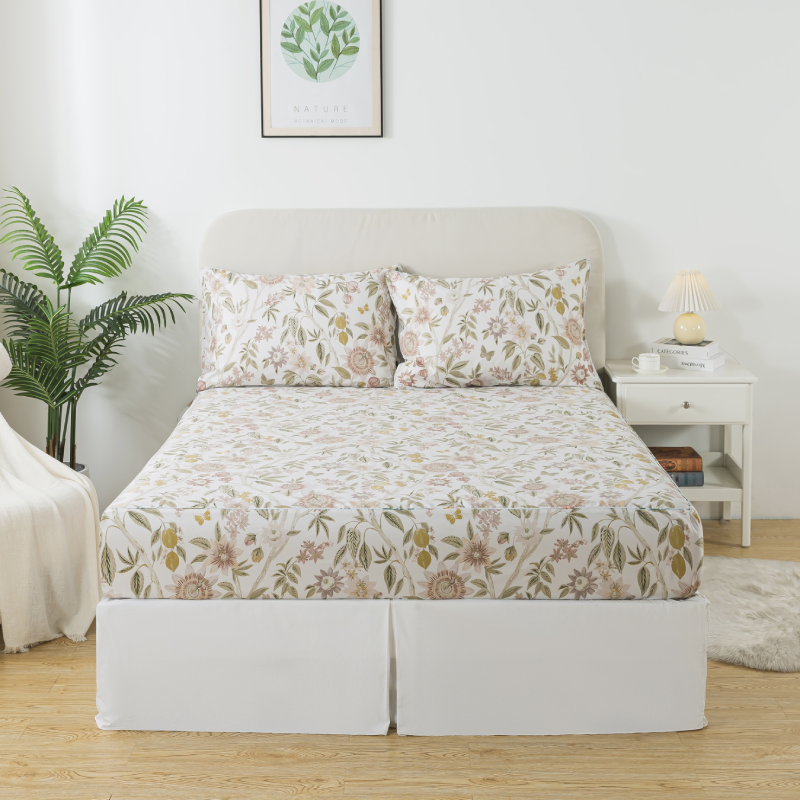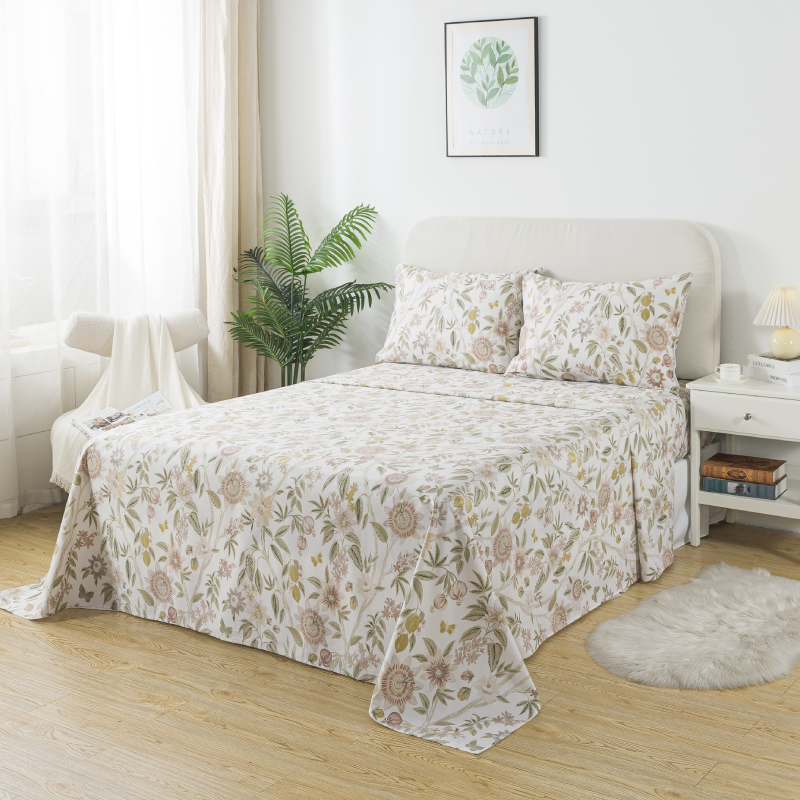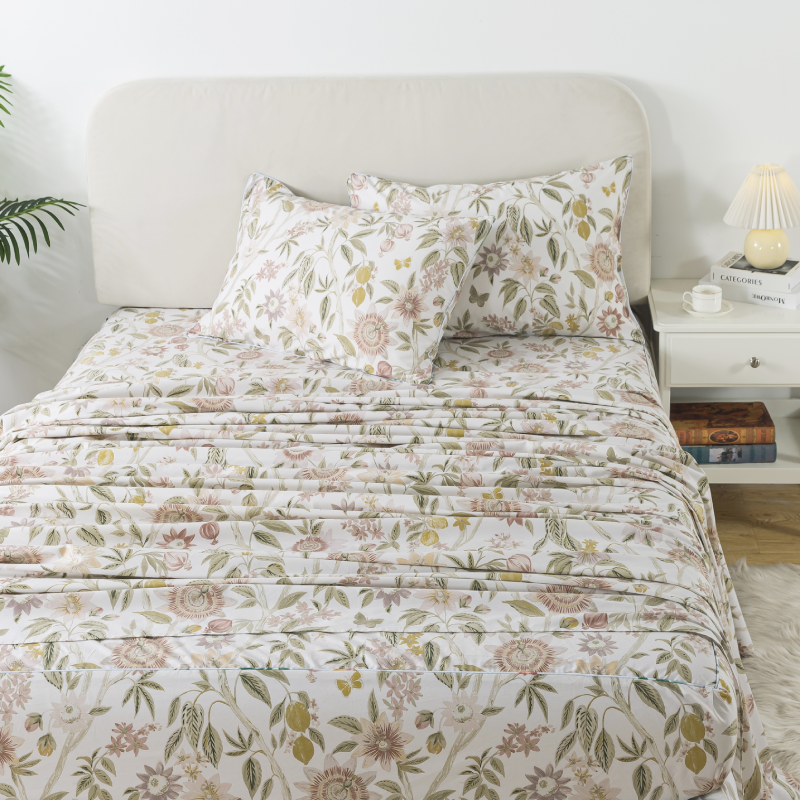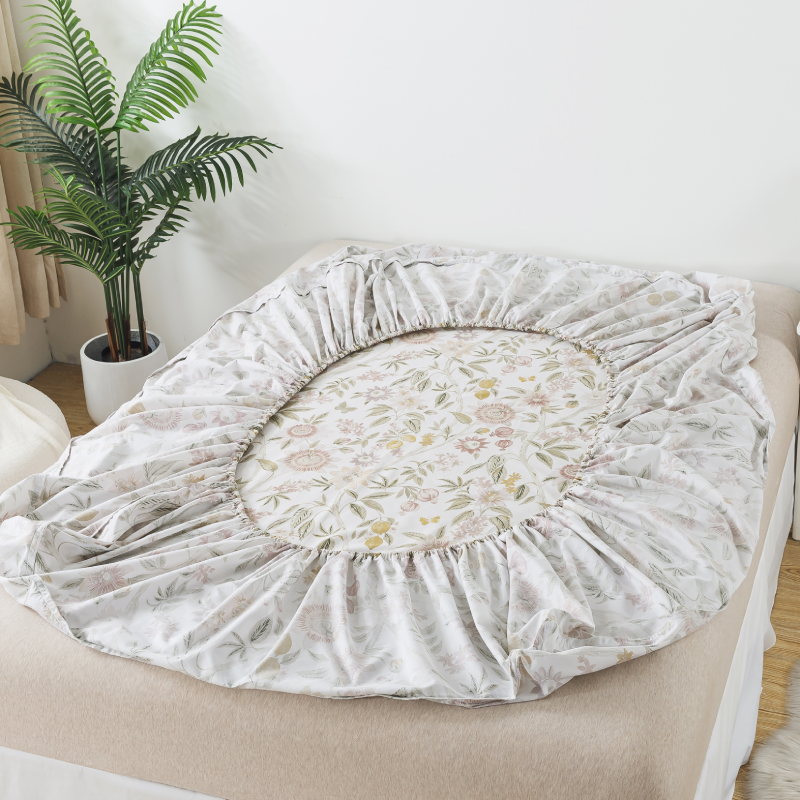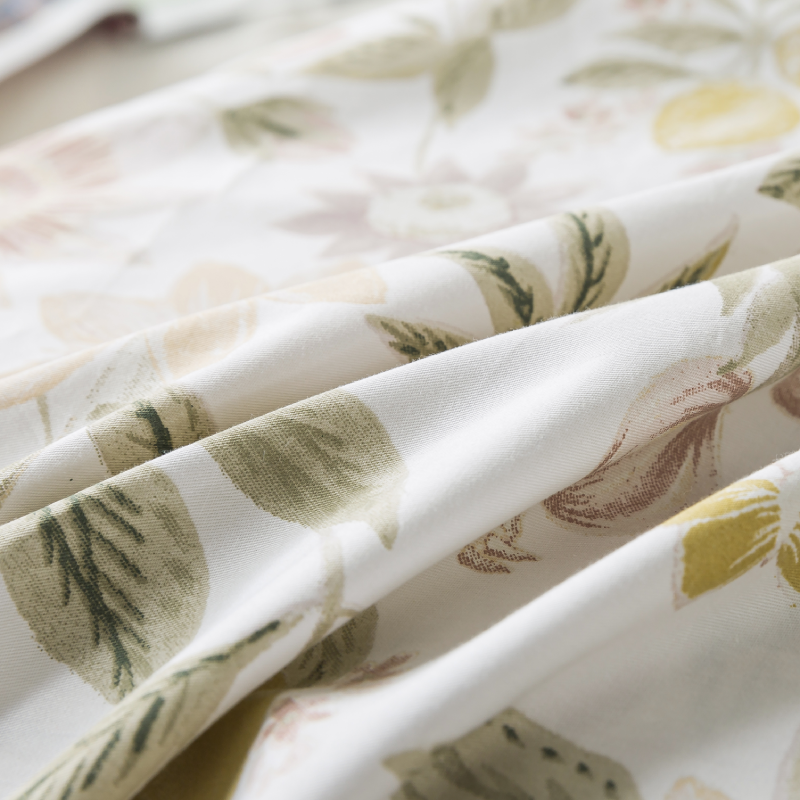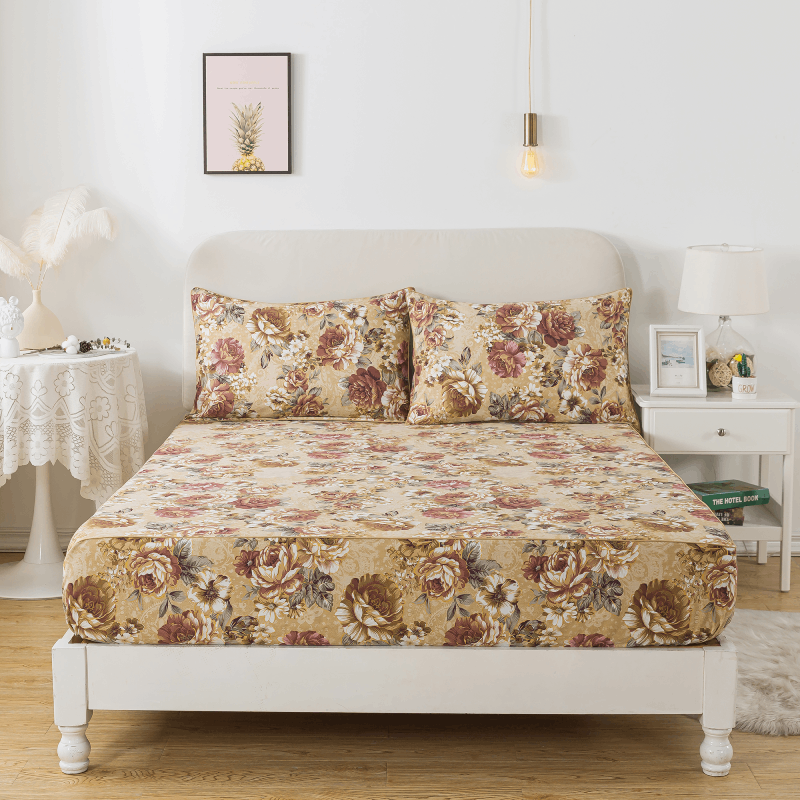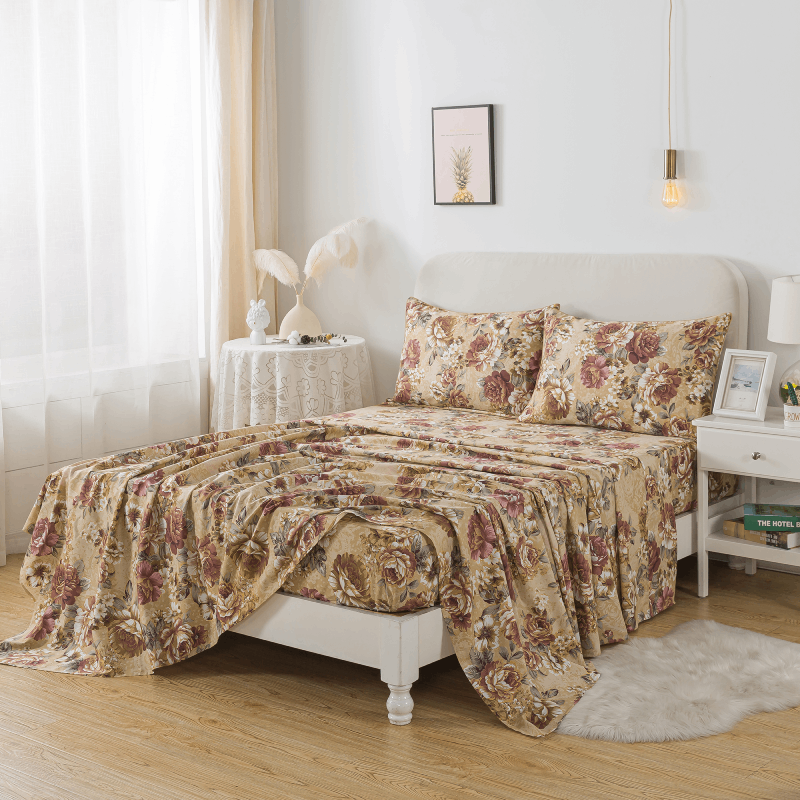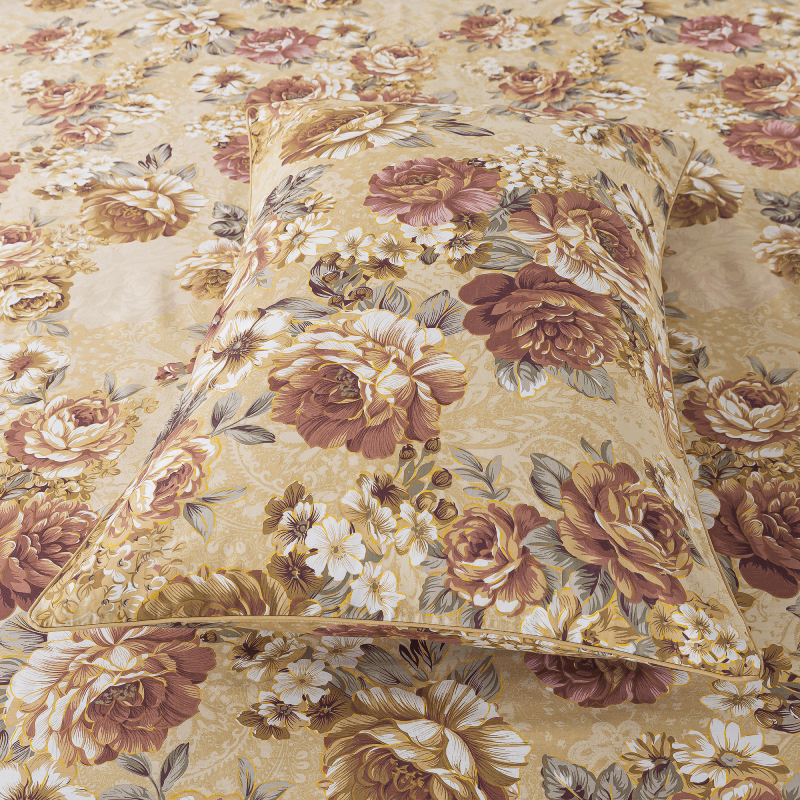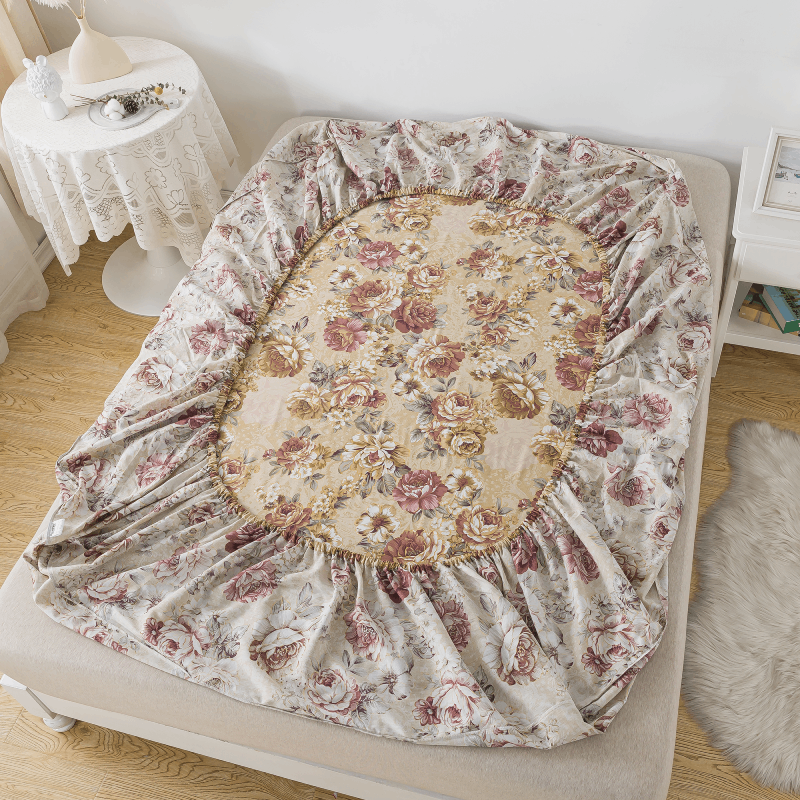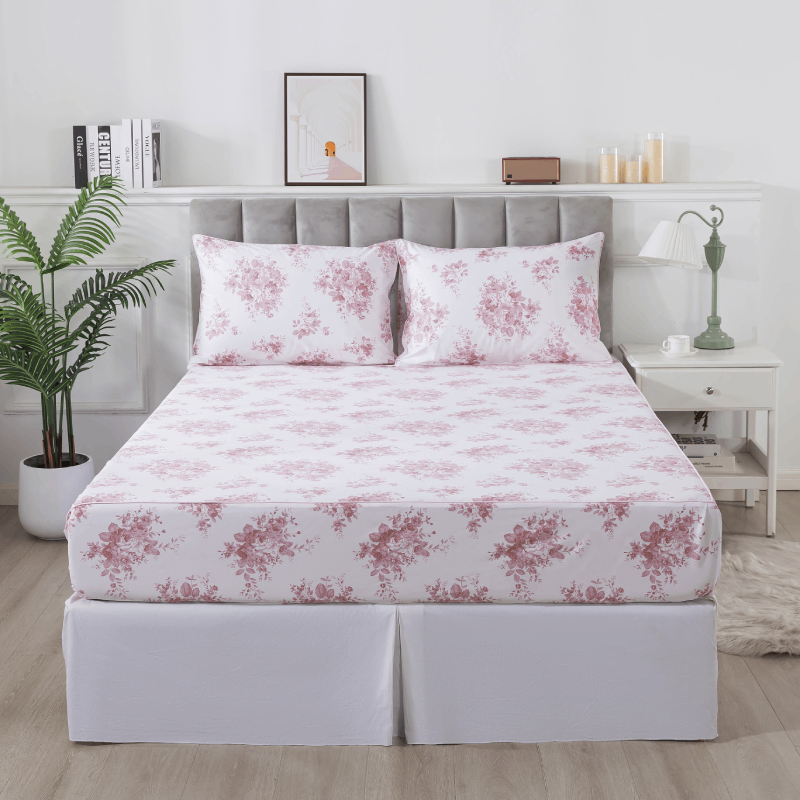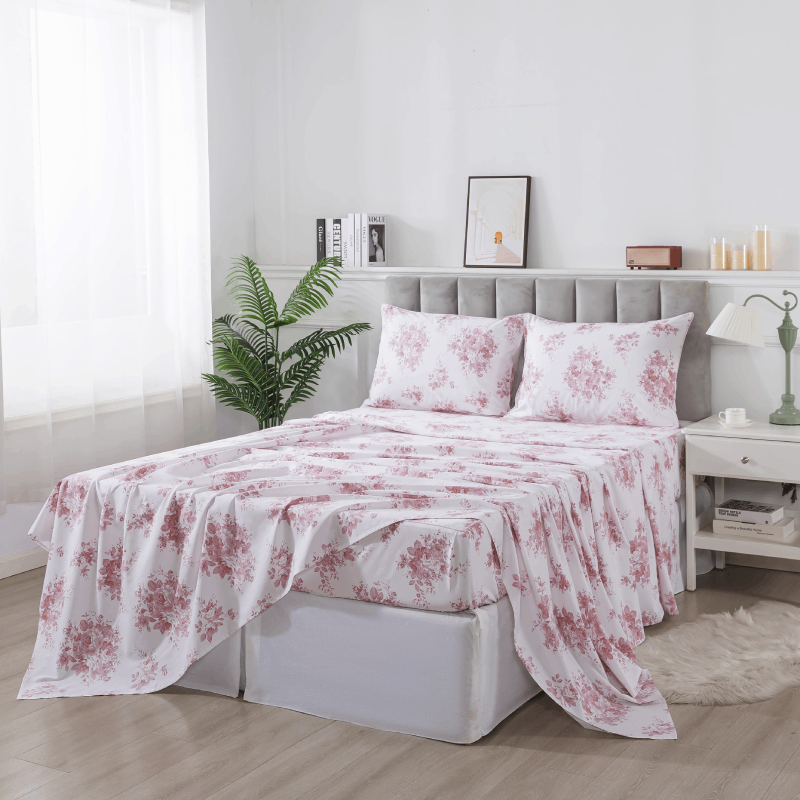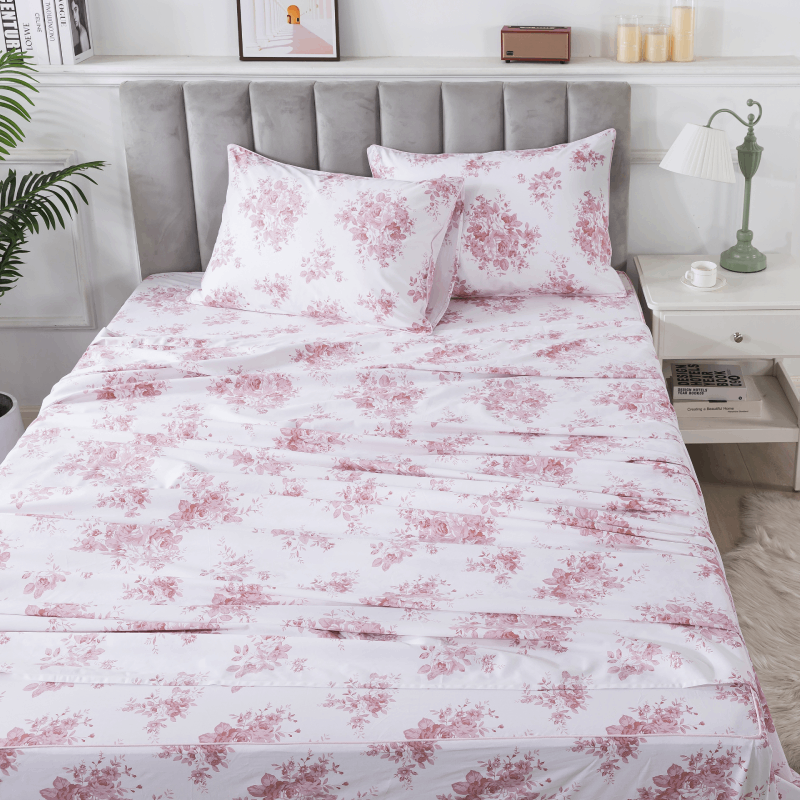
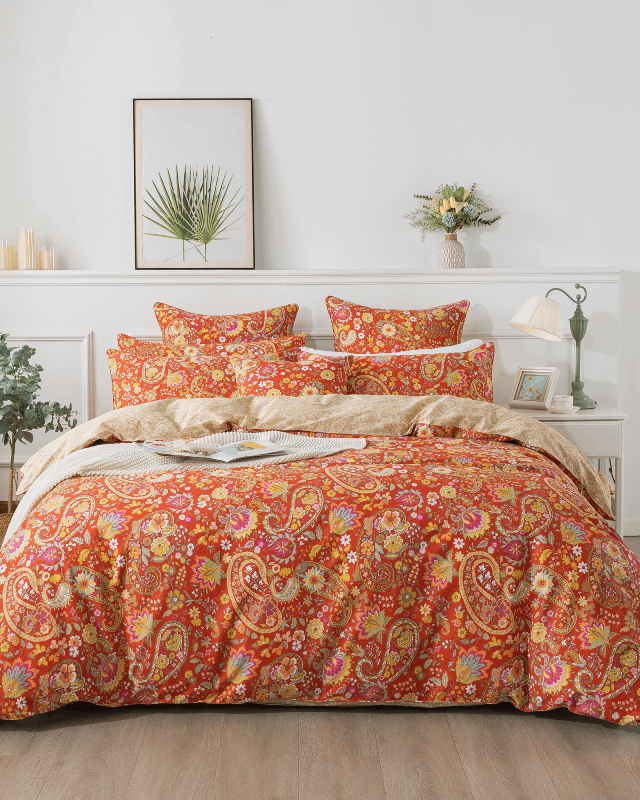
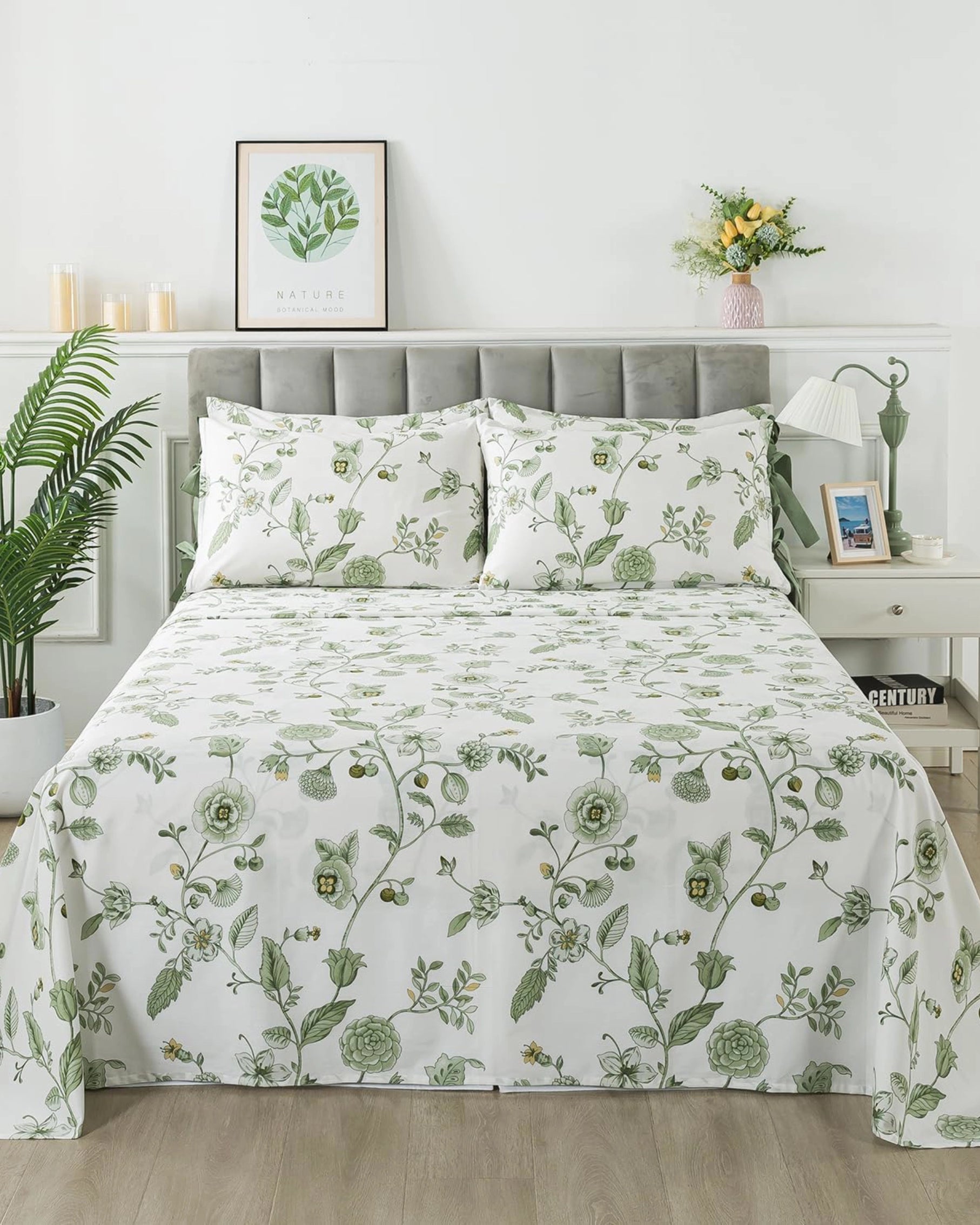




Floral bedding can instantly make a bedroom feel softer, warmer, and more personal. But it can also go wrong fast—too many patterns, too many colors, too many “pretty details,” and suddenly your space feels crowded instead of calming.
The good news is: floral bedding doesn’t have to look busy. With a few styling rules, you can keep the charm and character of florals while still creating a clean, balanced bedroom that feels restful every day.
1) Pick One “Hero” Floral, Keep Everything Else Quiet
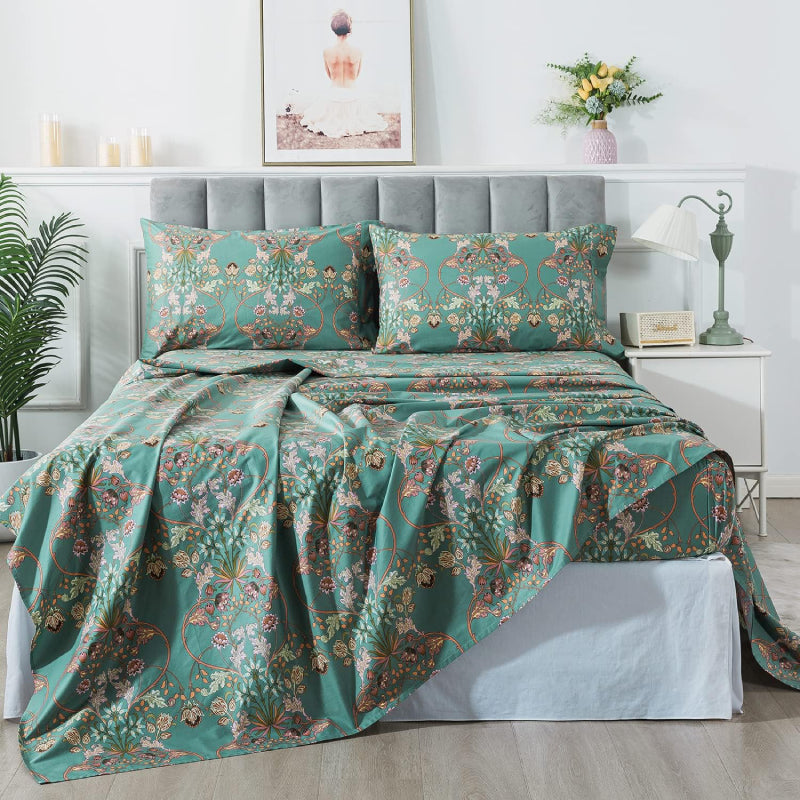
The easiest way to avoid visual overload is to let your bedding be the main design moment.
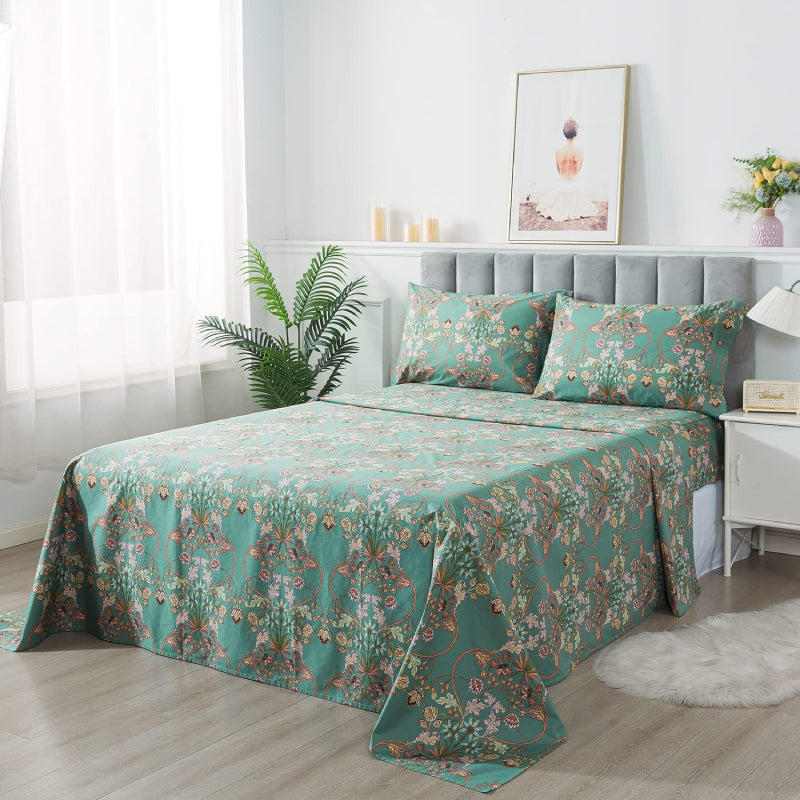
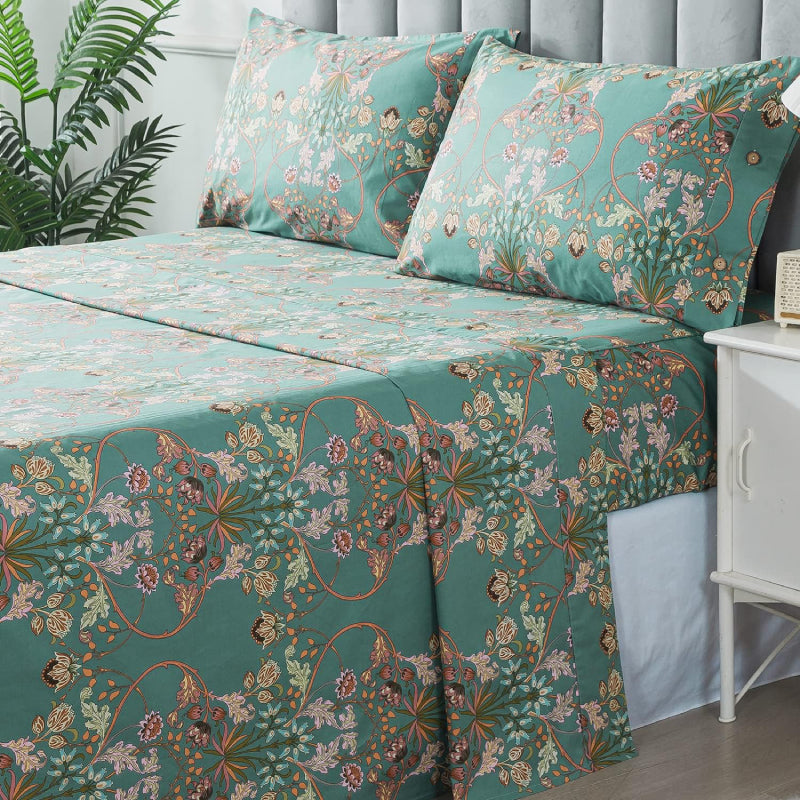
If your duvet cover or quilt set has floral patterns, treat it like the centerpiece and build the room around it. That means the rest of the space should support it—rather than competing with it.
Keep these elements simple:
-
Curtains (solid or lightly textured)
-
Rugs (neutral or tone-on-tone)
-
Wall art (minimal shapes or soft landscapes)
-
Furniture (clean silhouettes, not overly decorative)
When the florals are the feature, the room looks intentional—not cluttered.
2) Choose a Softer Color Palette (Even If the Pattern Is Floral)
Florals don’t automatically mean “busy.” The real problem is usually contrast.
If your floral print includes too many high-saturation colors or very sharp contrast (like bright red on pure white), it demands attention everywhere. But florals in softer tones blend naturally into a calm bedroom.
A bedroom-friendly floral palette often looks like:
-
dusty rose
-
muted sage
-
soft blue
-
warm beige
-
gentle cream
-
faded terracotta
Think “garden in the morning,” not “bouquet under spotlight.”
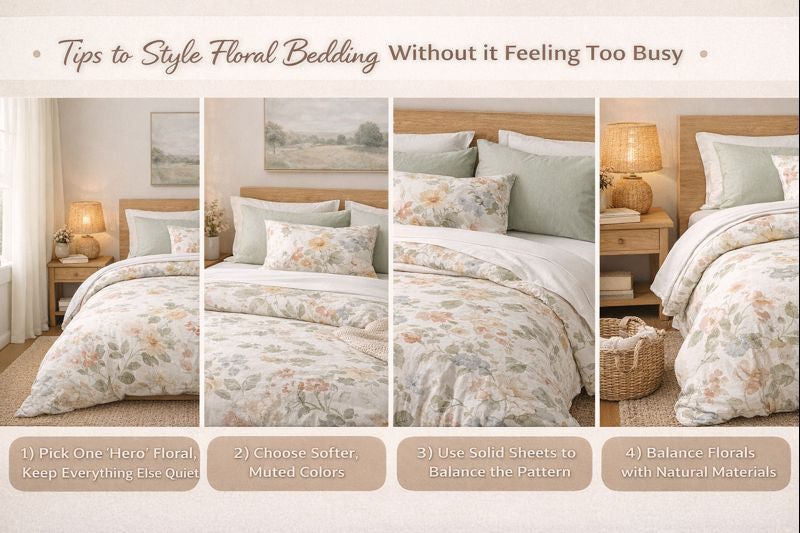
3) Use Solid Sheets to Create Visual Breathing Space
If you love floral bedding but feel unsure about styling, this is the simplest trick that always works:
Pair floral quilt/duvet with solid-colored sheets.
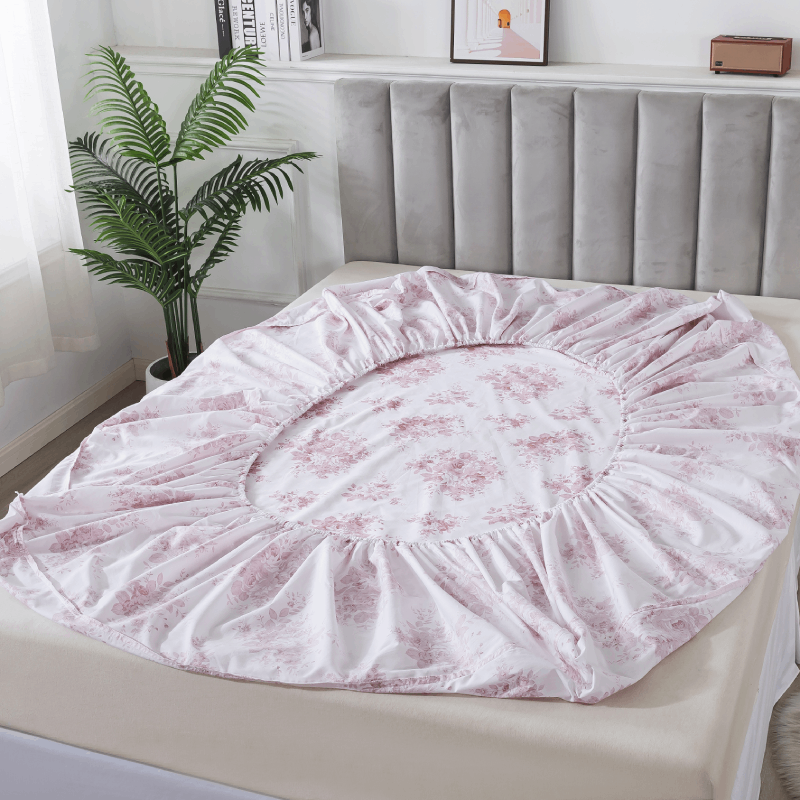
A solid sheet set creates a “pause” between the floral pattern and the rest of the room. It also helps your bed look more layered and structured instead of fully patterned from top to bottom.
Good sheet colors for floral bedding:
-
white
-
ivory
-
oatmeal
-
light gray
-
pale blush
-
soft sage (if it matches your floral accents)
If you want something slightly richer, try solid sheets in a deeper version of one color from the floral print.
4) Keep Pillows Minimal: One Pattern, Two Solids
Throw pillows are where bedrooms often become visually chaotic—because people add too many.
A clean formula is:
-
1 floral pillow (matching the bedding)
-
2 solid pillows (same color family)
-
optional: 1 textured lumbar pillow (linen, knit, or cotton)
That’s enough to look styled without looking overdone.
If your floral bedding is already detailed, skip extra patterns like stripes, polka dots, or chevron. Texture looks elevated; extra prints usually look messy.
5) Balance Florals with Natural Materials
Florals feel softer and more grounded when paired with natural textures. This keeps the room from feeling overly “sweet” or decorative.
Try mixing floral bedding with:
-
light oak or walnut furniture
-
rattan bedside lamps
-
linen curtains
-
cotton throws
-
woven baskets
-
a simple jute rug
These materials add warmth without adding more visual noise.
6) Let Negative Space Do the Work
Negative space is what makes a room feel calm.
If your bedding has florals, you don’t need to fill every wall or surface. Give your bedroom room to breathe—especially around the bed area.
Simple choices that help:
-
one large framed piece above the headboard instead of a gallery wall
-
clear nightstands with only 2–3 items
-
fewer decorative pillows
-
clean, uncluttered bedding fold (not too many layers)
Florals look best in a room that feels edited.
7) Use Florals in One Zone Only
If you’re unsure how much floral is “too much,” limit florals to just one section of the room.
For example:
-
floral bedding + neutral everything else
or -
neutral bedding + floral cushion/bench blanket
This keeps the space cohesive. Floral bedding already makes a strong statement—so you don’t need floral wallpaper, floral curtains, and floral rugs all at once.
8) Keep Your Bedroom Lighting Soft and Warm
Lighting changes how patterns feel.
Harsh white light can make floral prints look busy or overly sharp. Softer lighting makes the pattern feel more gentle and natural.
Go for:
-
warm bulbs
-
soft bedside lamps
-
layered lighting (lamp + overhead)
It makes the bedroom feel more restful, and it helps florals blend rather than shout.
9) Style the Bed “Neatly Relaxed,” Not Over-Stuffed
Florals already bring movement and softness visually. Over-layering can quickly make the bed look chaotic.
A cleaner floral-bed styling approach:
-
smooth the base layers
-
fold the quilt/duvet cleanly near the foot
-
add one throw with subtle texture (not another pattern)
-
keep pillow arrangement symmetrical or simple
The goal is “effortless,” not over-designed.
Final Thought: Florals Don’t Have to Be Loud
Floral bedding is one of the easiest ways to make a bedroom feel warm, lived-in, and comforting. The key is not avoiding florals—it’s styling them with restraint.
Choose one floral hero, repeat calm colors, rely on solids and texture, and let your room breathe. Done right, floral bedding doesn’t make your space look busy.
It makes it feel like home.