



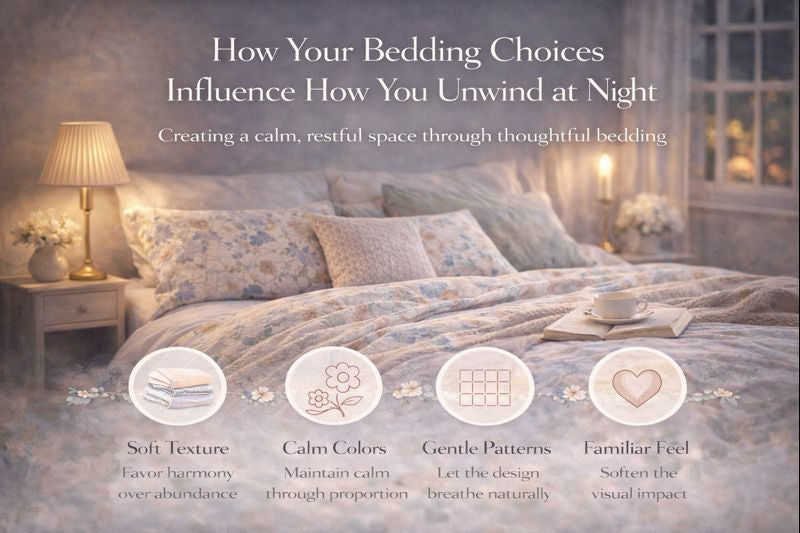
The way you unwind at night is shaped by more than just your routine—it’s influenced by your environment. Lighting, sound, temperature, and especially bedding all play a role in how easily your body and mind transition from a busy day to a state of rest.
Bedding is one of the few elements that directly affects both physical comfort and emotional calm. The choices you make—from fabric and color to pattern and texture—quietly guide how your evenings unfold.
The Bedroom as a Signal to Slow Down
Your brain responds to cues. When the bedroom feels calm, soft, and intentional, it sends a signal that it’s time to slow down.
Bedding is often the largest visual and tactile surface in the room. If it feels chaotic, stiff, or visually noisy, the body may stay alert longer. When it feels gentle and cohesive, relaxation comes more naturally.
A well-considered bedding setup acts as a transition between daytime stimulation and nighttime rest.
Texture and Physical Comfort
Touch is one of the most immediate ways the body assesses comfort. Bedding that feels rough, heavy, or restrictive can subtly delay relaxation—even if you don’t consciously notice it.
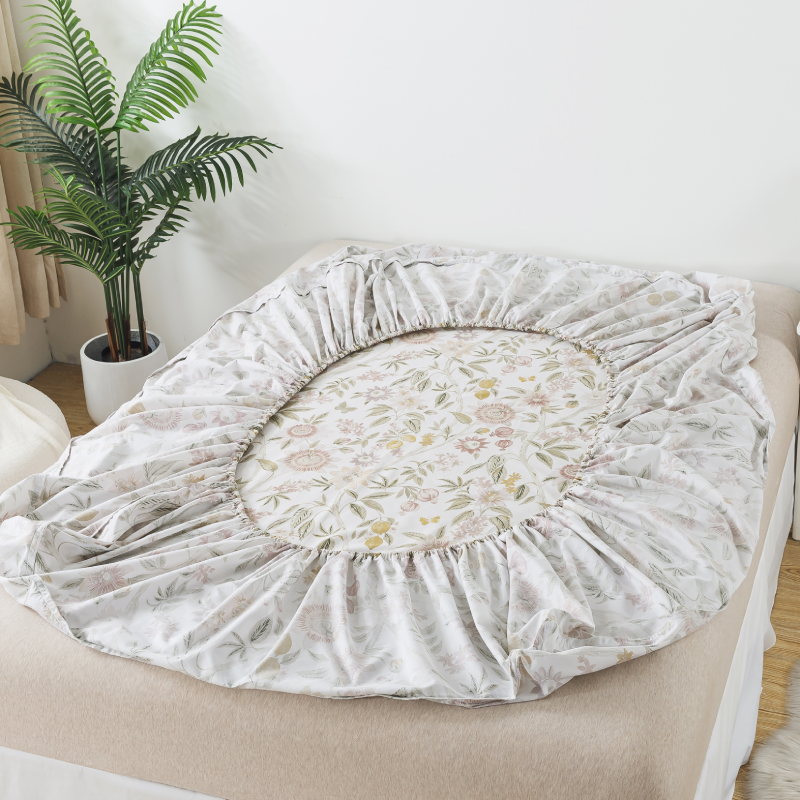
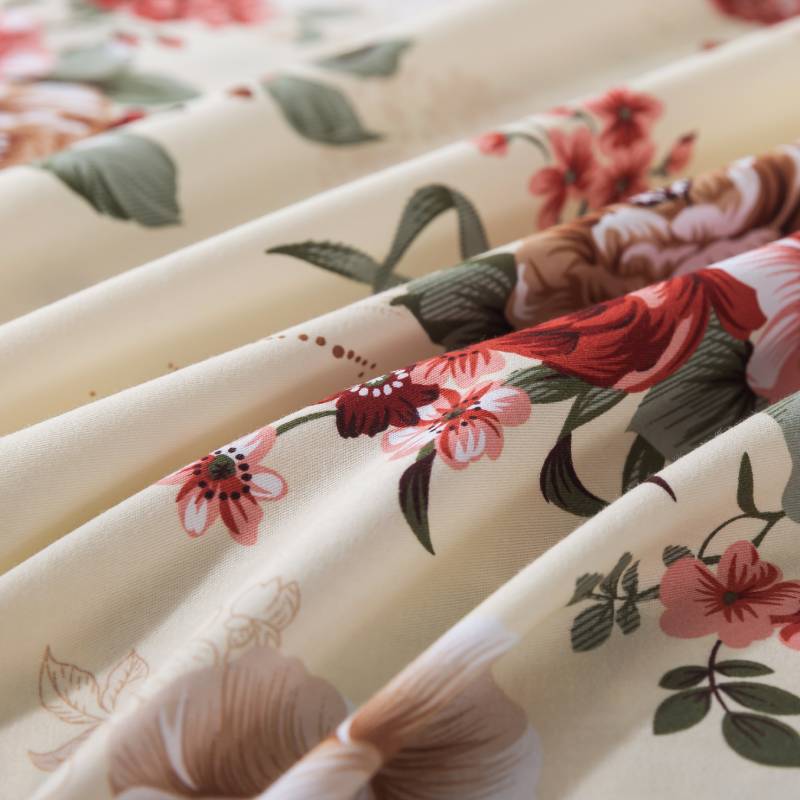
Soft, breathable fabrics like natural cotton allow the body to release tension. They regulate temperature, reduce irritation, and encourage stillness. Over time, familiar textures become associated with rest, making it easier to unwind as soon as you get into bed.
Comfort is not just about sleep—it begins the moment your body makes contact with the bed.
Visual Calm and Mental Ease
What you see before sleep matters. Strong contrasts, overly busy patterns, or harsh colors can keep the mind active longer than intended.
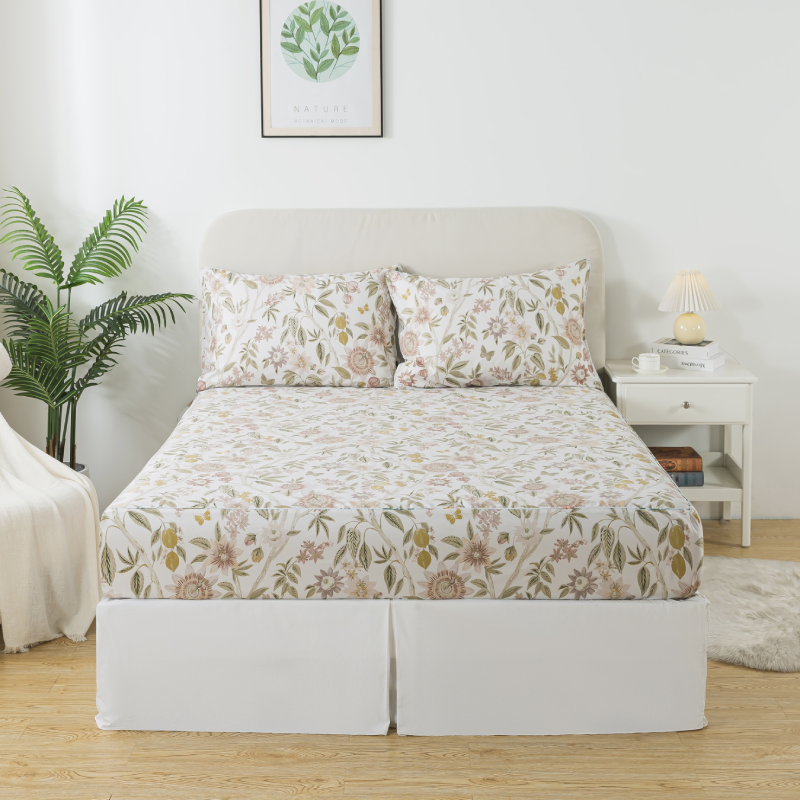
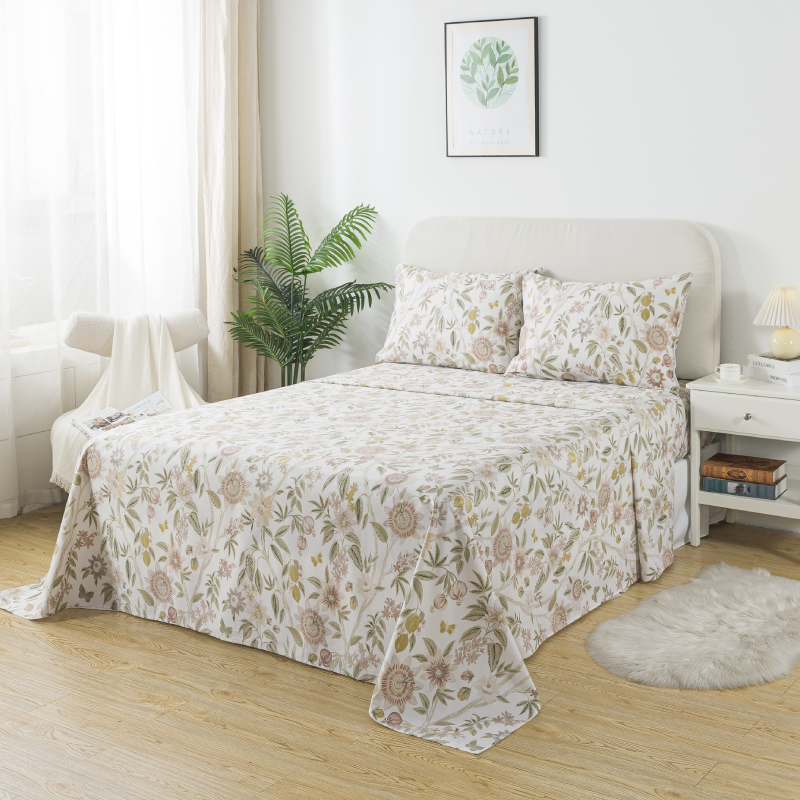
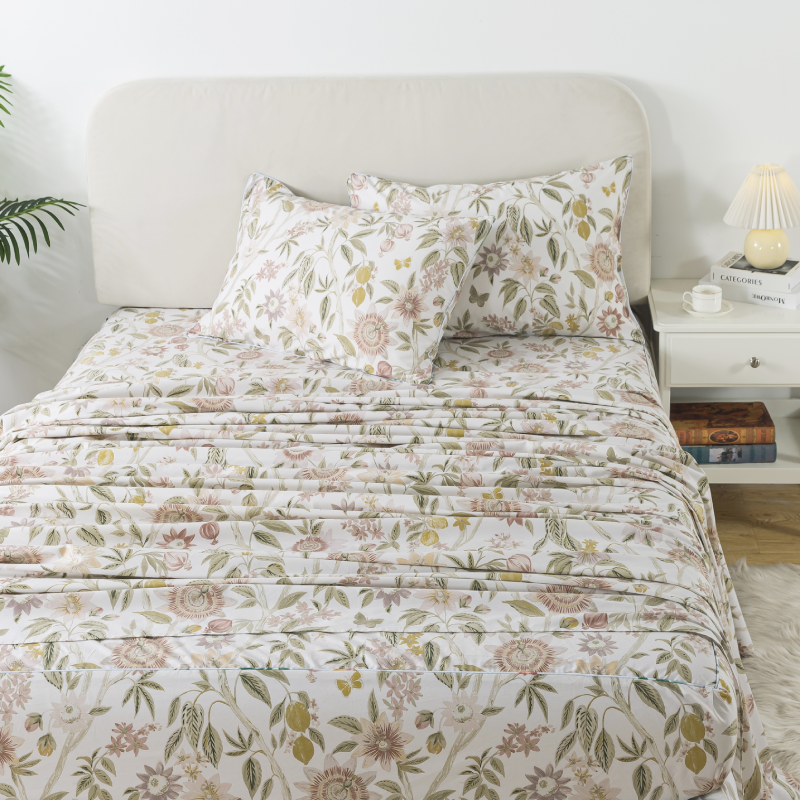
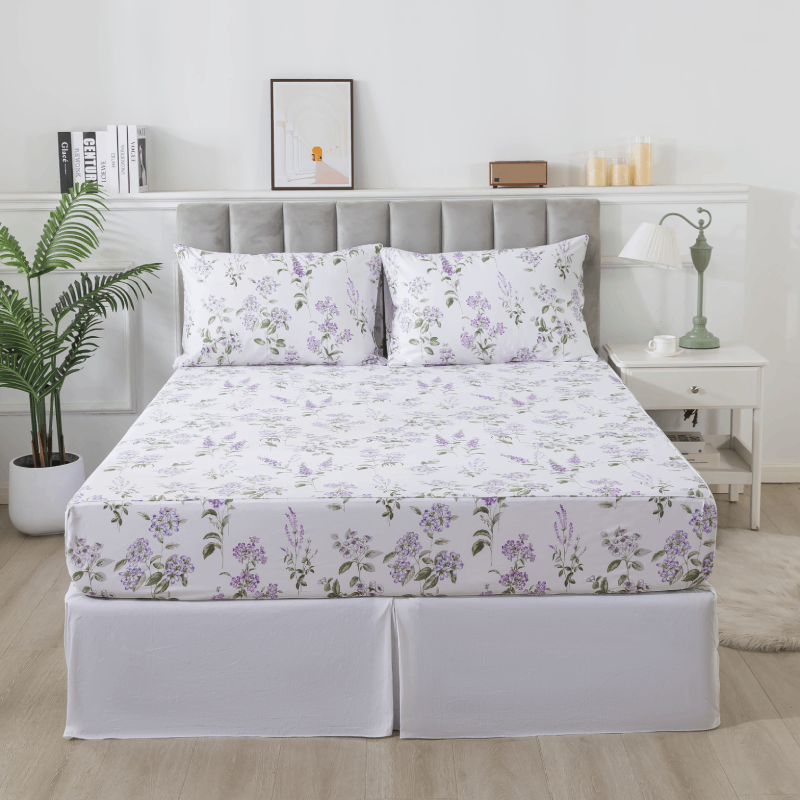
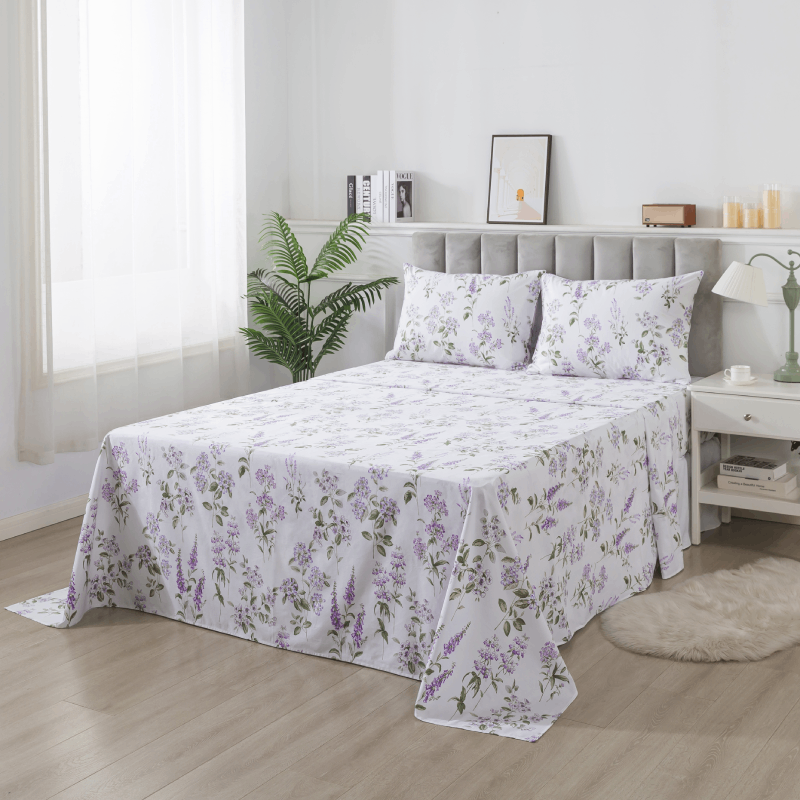
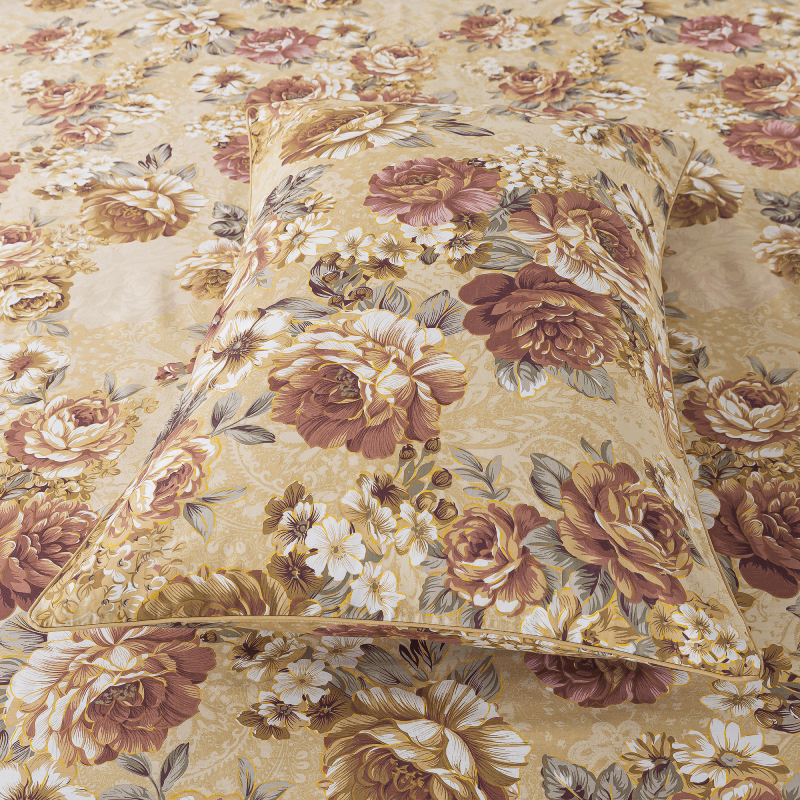
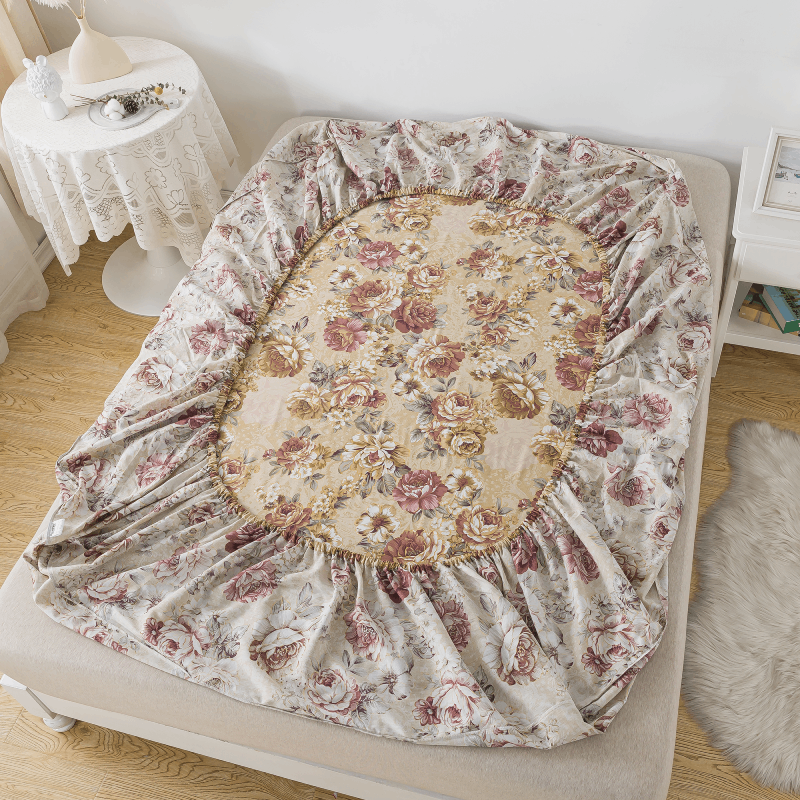
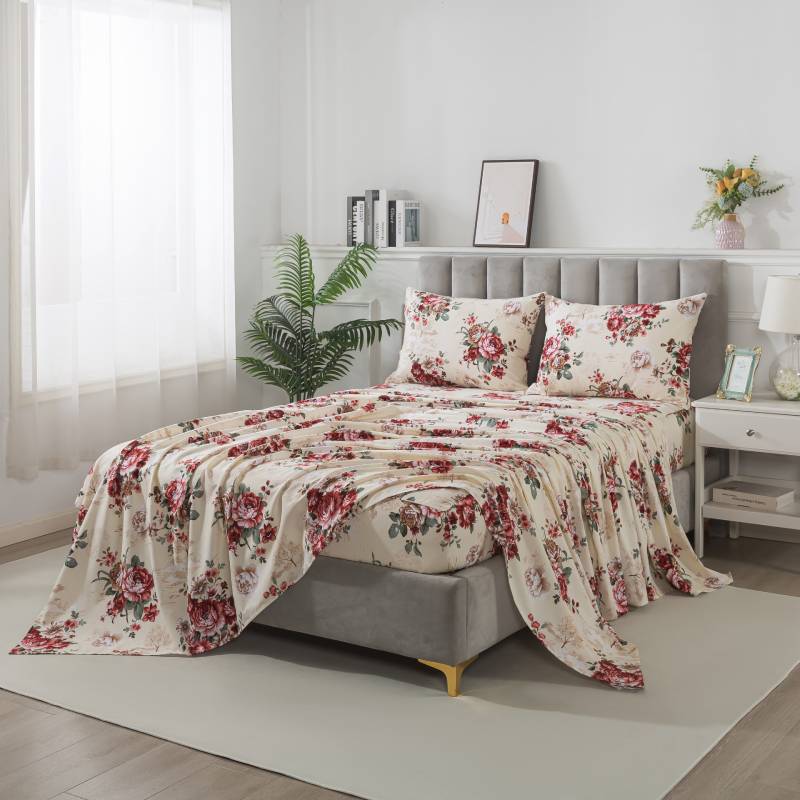
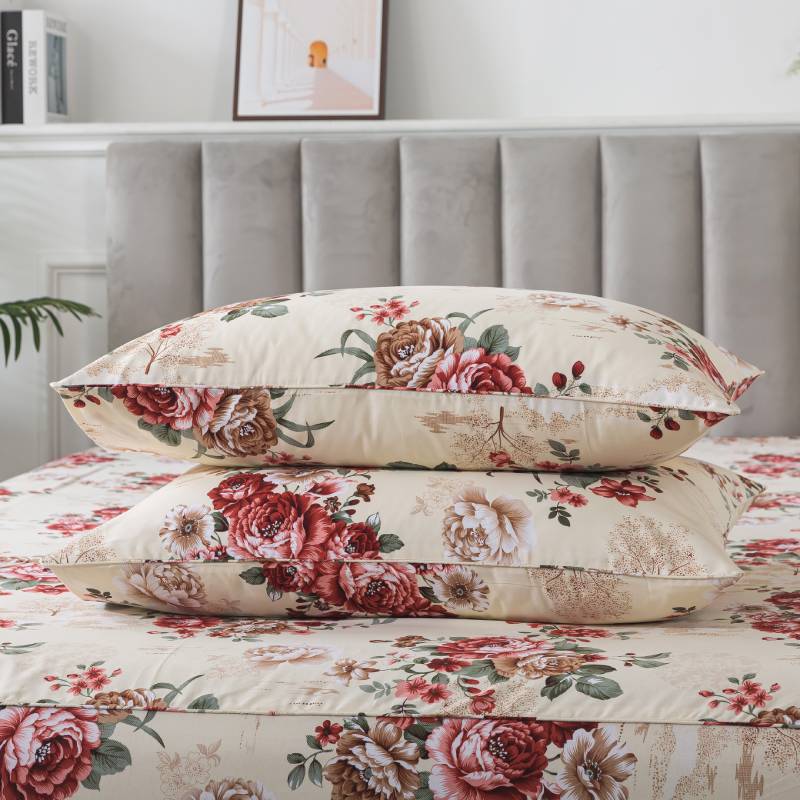
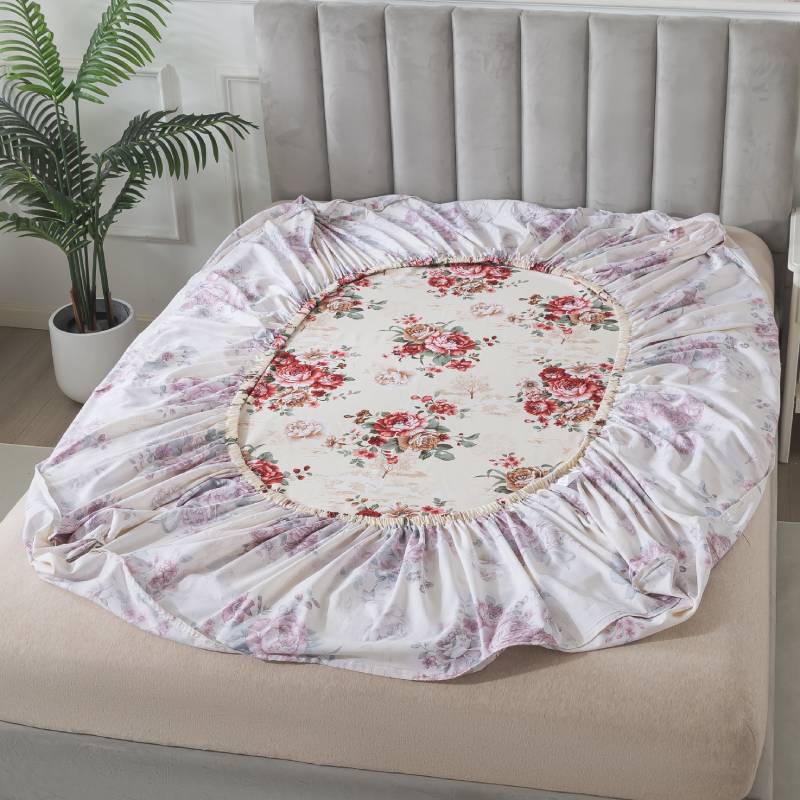
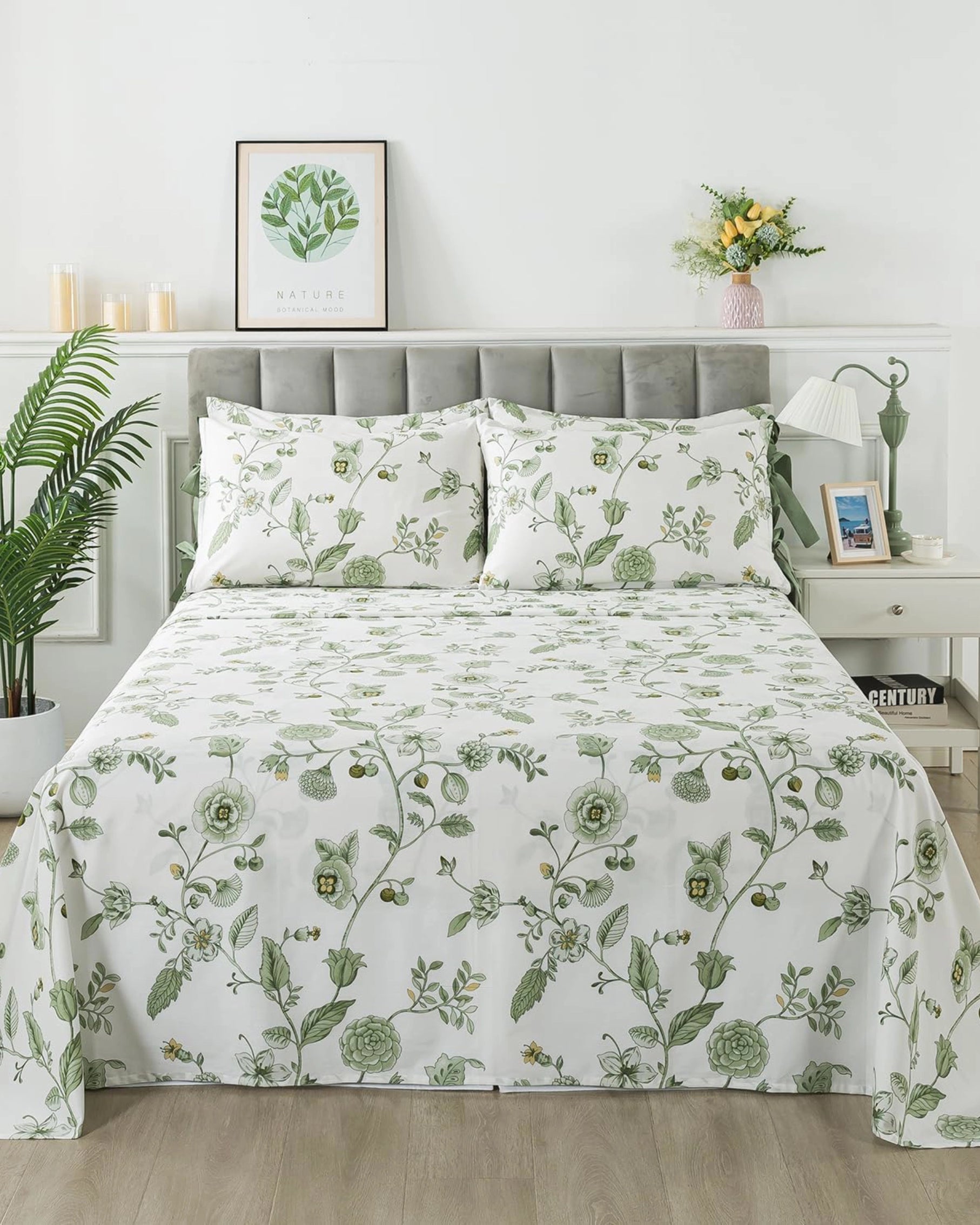
Bedding with soft color palettes and balanced patterns creates visual calm. Gentle florals, muted tones, or subtle textures allow the eyes to rest, helping the mind disengage from the day’s mental noise.
This visual softness supports slower breathing, quieter thoughts, and a smoother transition into rest.
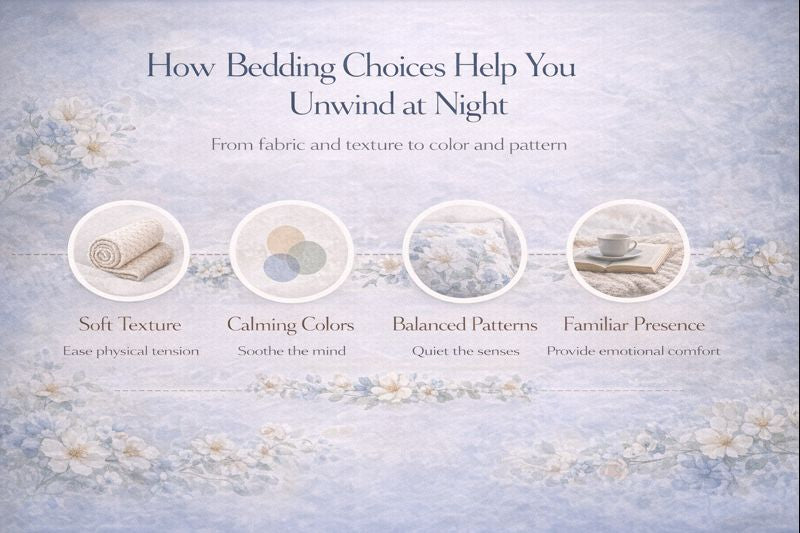
The Role of Color in Evening Relaxation
Color has a psychological impact, especially in the hours before sleep.
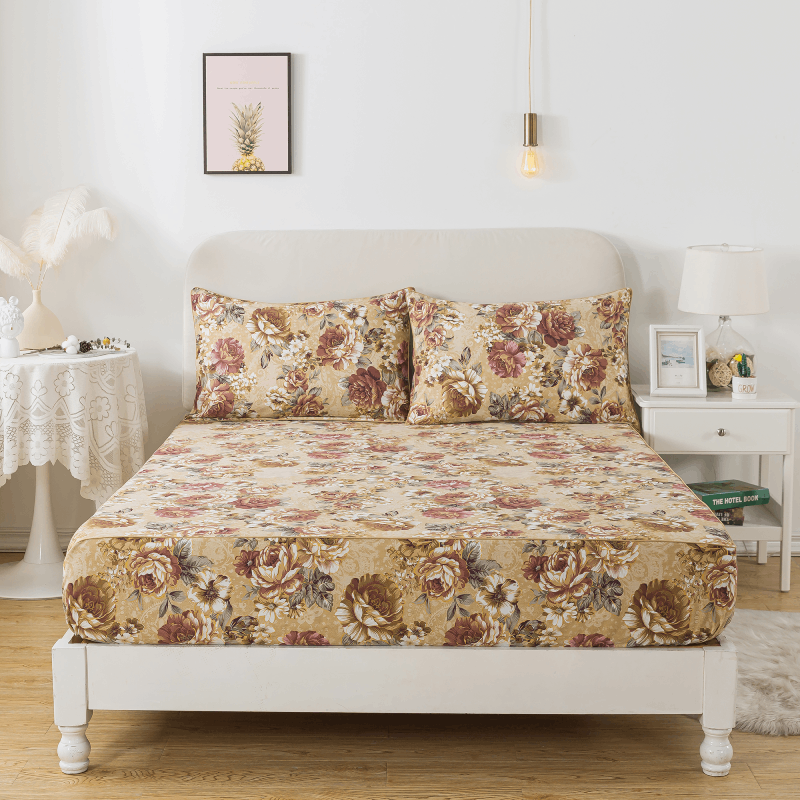
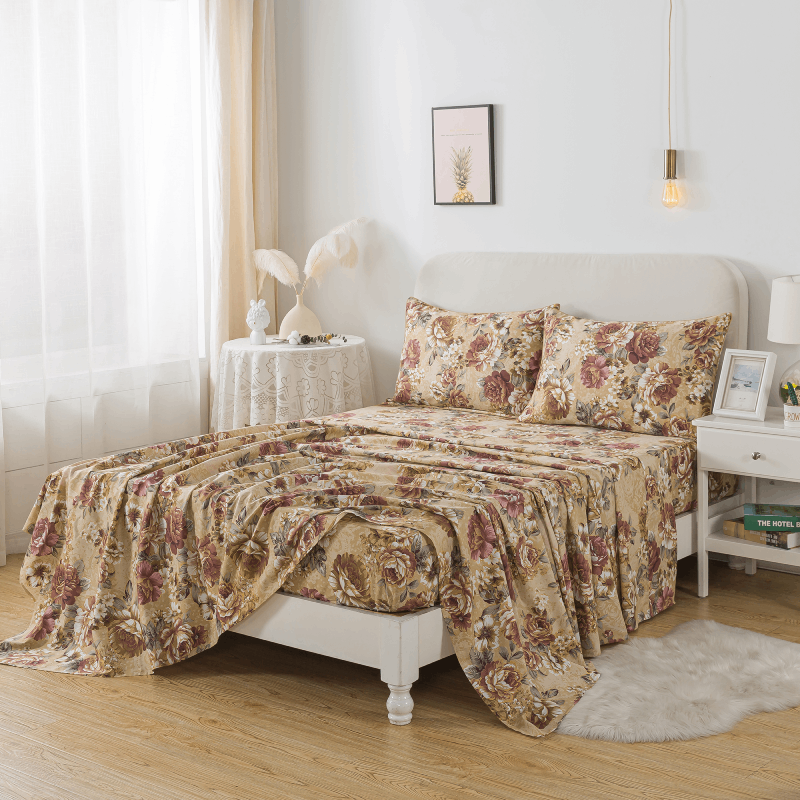
Warm neutrals, soft blues, muted greens, and gentle pastels tend to promote calm and emotional balance. These tones echo natural environments and feel familiar rather than stimulating.
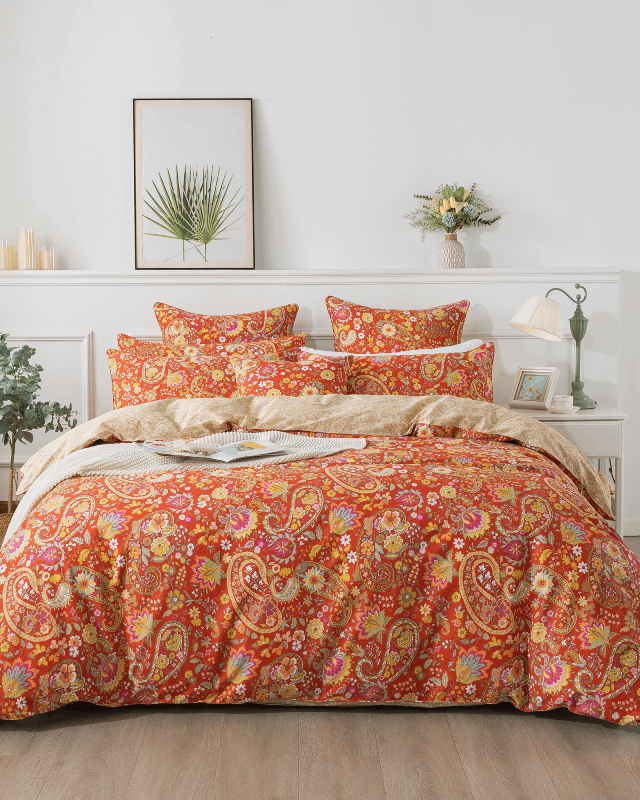
Bedding in overly saturated or high-contrast colors may feel energizing, which can be helpful during the day but less supportive at night. Choosing calming hues allows the bedroom to function as a true resting space.
Patterns That Support, Not Distract
Patterns can add personality and warmth, but they should be chosen carefully for nighttime use.
Subtle, well-spaced patterns—such as soft florals or organic motifs—add interest without demanding attention. They invite the eye to wander gently rather than jump from point to point.
When patterns are too dense or chaotic, the brain remains engaged. Thoughtful pattern design supports relaxation by maintaining rhythm and balance.
Familiarity and Emotional Comfort
Over time, bedding becomes emotionally familiar. The weight of a quilt, the softness of a sheet, or the look of a pattern can become part of a nightly ritual.
This familiarity creates a sense of safety and comfort, helping the body associate the bed with rest rather than stimulation. Bedding that feels personal and well-loved often supports better unwinding than something purely decorative.
Reducing Decision Fatigue at Night
Even small decisions can add up by the end of the day. A bedroom that feels visually cluttered or overly styled may require mental effort to process.
Simple, cohesive bedding reduces decision fatigue. When the space feels resolved, the mind can let go more easily. This is why restrained design often feels more restful than overly complex styling.
Bedding as Part of a Nighttime Ritual
Unwinding is not a single action—it’s a process. Turning down the lights, changing clothes, and getting into bed all contribute to the transition.
Bedding that feels soft, calm, and intentional becomes part of this ritual. It marks the moment when the day ends and rest begins.
Final Thoughts
Your bedding choices quietly shape how you unwind each night. Through texture, color, pattern, and familiarity, bedding influences both physical comfort and emotional state.
When chosen thoughtfully, bedding does more than decorate a bedroom—it supports the body’s natural rhythm of rest. In a world that rarely slows down on its own, these small, intentional choices make it easier to let go, breathe deeply, and truly unwind at night.