




A good night’s sleep isn’t only about how many hours you spend in bed—it’s about how your bed supports your body and senses. While many people focus on mattresses or sleep schedules, bedding plays a surprisingly powerful role in sleep quality.
From fabric choice to texture, temperature regulation, and even color, the bedding you sleep in directly affects how fast you fall asleep, how often you wake up, and how refreshed you feel in the morning. In this guide, we explore the science behind comfort and explain how choosing the right bedding can meaningfully improve your sleep.
The Science of Comfort: Why Bedding Matters More Than You Think
Sleep scientists agree that comfort is a key driver of sleep quality. When your body feels too hot, itchy, restricted, or overstimulated, your brain stays alert—even if you’re exhausted.
High-quality bedding helps by:
- Regulating body temperature
- Reducing sensory irritation
- Supporting natural movement during sleep
- Creating a calming psychological environment
In other words, bedding is not just decoration—it’s part of your sleep system.
Fabric Choice and Temperature Regulation
Your body temperature naturally drops at night, signaling to your brain that it’s time to sleep. Bedding that traps too much heat can interfere with this process.
Breathable fabrics like cotton allow heat and moisture to escape, helping your body stay in its ideal sleep temperature range.
Why cotton works:
- Promotes airflow
- Absorbs moisture (sweat)
- Feels cool and dry against the skin
- Suitable for year-round use
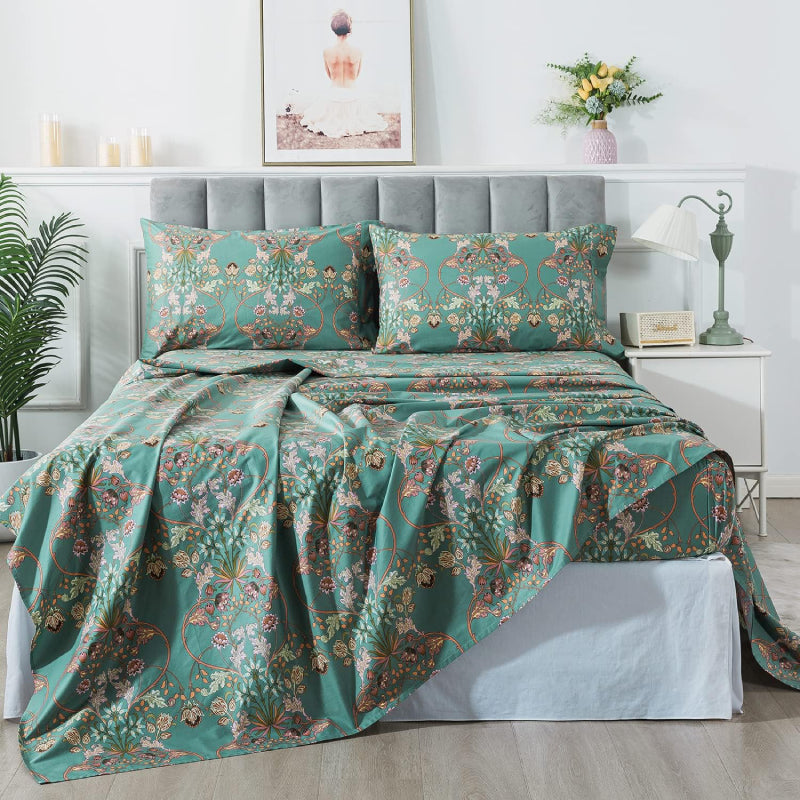
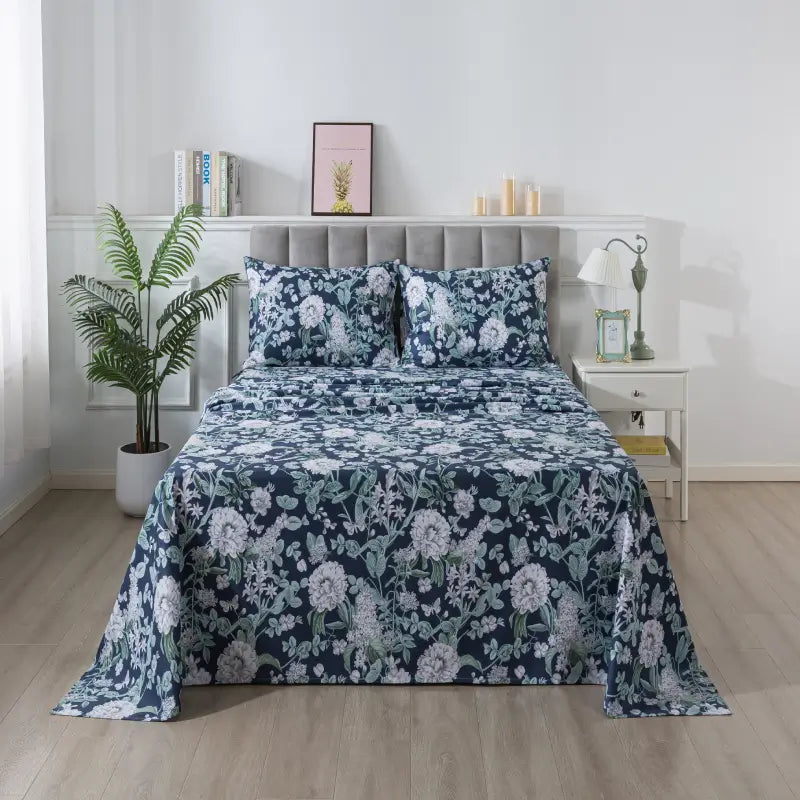
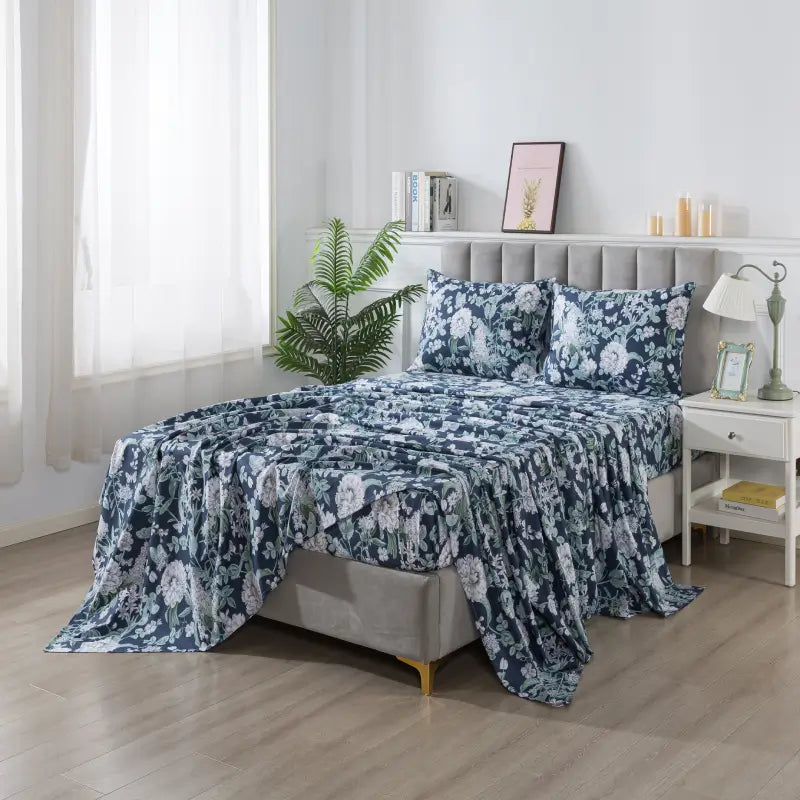
This is why many sleep specialists recommend natural fibers over synthetic materials. Bedding made from breathable cotton—like Fadfay’s cotton bedding collections supports temperature balance without sacrificing softness or comfort.
Texture and Sensory Comfort
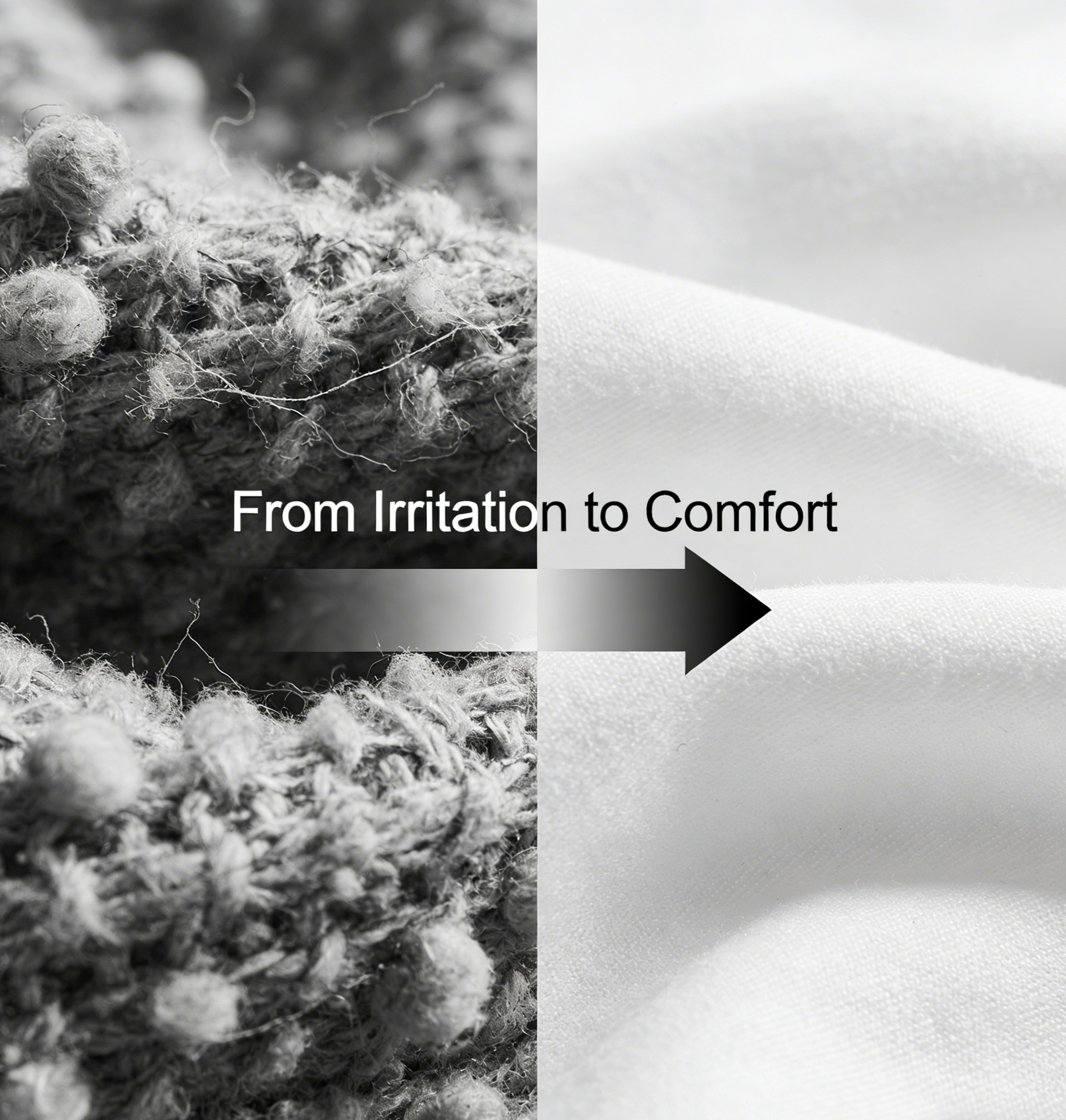
Your skin is your largest sensory organ. Rough, stiff, or overly slick bedding can create constant micro-irritations that prevent deep sleep.
Soft, well-washed cotton and lightly textured fabrics:
- Reduce friction against the skin
- Feel soothing rather than stimulating
- Help sensitive sleepers relax more easily
For people who toss and turn, smoother bedding also allows easier movement without resistance.
Weight and Pressure: Why Lighter Bedding Can Mean Better Sleep
Heavily weighted or bulky bedding may feel cozy at first, but for many sleepers it can:
- Restrict movement
- Increase body temperature
- Create pressure that leads to restlessness
Lightweight quilts and breathable duvet covers allow your body to move naturally throughout the night while still providing comfort.
Layering light bedding rather than using one heavy piece offers flexibility and improves overall sleep comfort.

Clean Bedding and Sleep Health
From a scientific standpoint, clean bedding supports better sleep by reducing allergens and irritants.
Unwashed sheets can accumulate:
- Dust mites
- Skin oils
- Bacteria
- Allergens
These can cause itching, congestion, and micro-awakenings during the night—even if you don’t fully wake up.
Sleep specialists recommend washing sheets weekly, especially for people with sensitive skin or allergies.
Color Psychology and Relaxation
Color influences mood, and mood affects sleep.
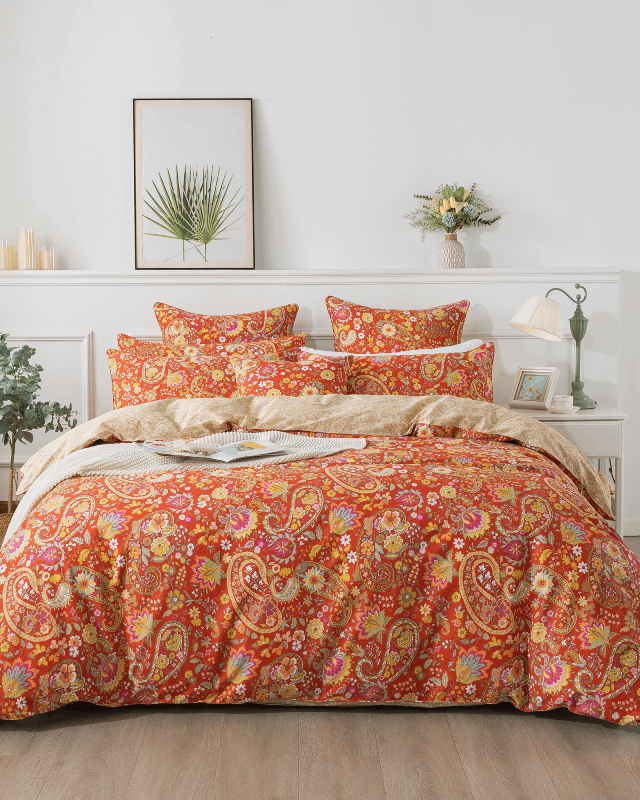
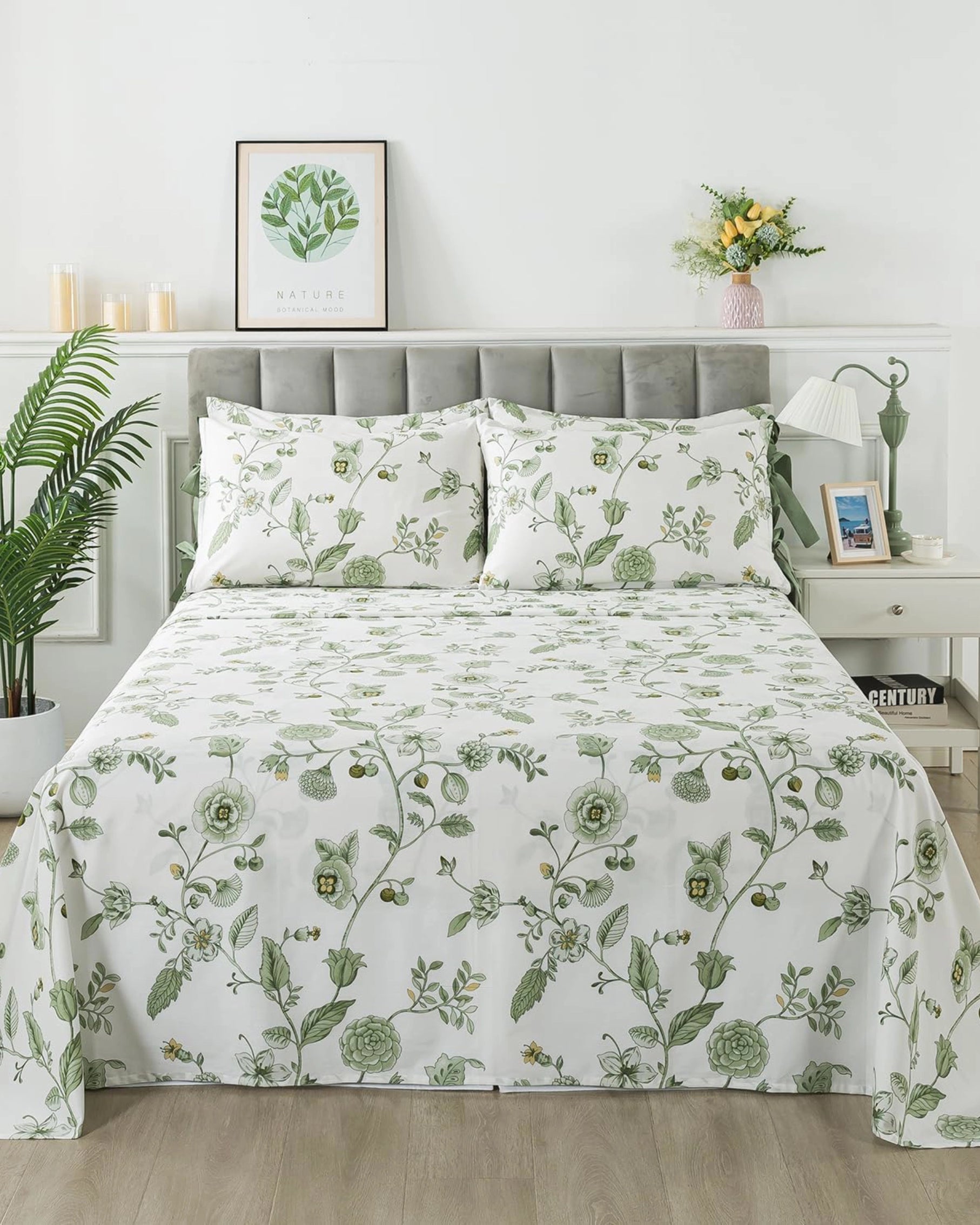
Calming bedding colors—such as soft whites, muted florals, pale blues, and gentle neutrals—can signal relaxation to the brain. Loud or highly saturated colors may overstimulate the senses.
Floral patterns with soft contrast are particularly effective because they:
- Add visual warmth
- Feel comforting rather than bold
- Create a peaceful, home-like atmosphere
The Role of Psychological Comfort
Beyond physical comfort, bedding also affects how safe, calm, and relaxed you feel.
A bed that looks inviting encourages:
- Faster sleep onset
- Reduced bedtime anxiety
- A stronger mental association with rest
This is especially important for people who struggle with stress or racing thoughts at night.
Building a Sleep-Friendly Bed Setup
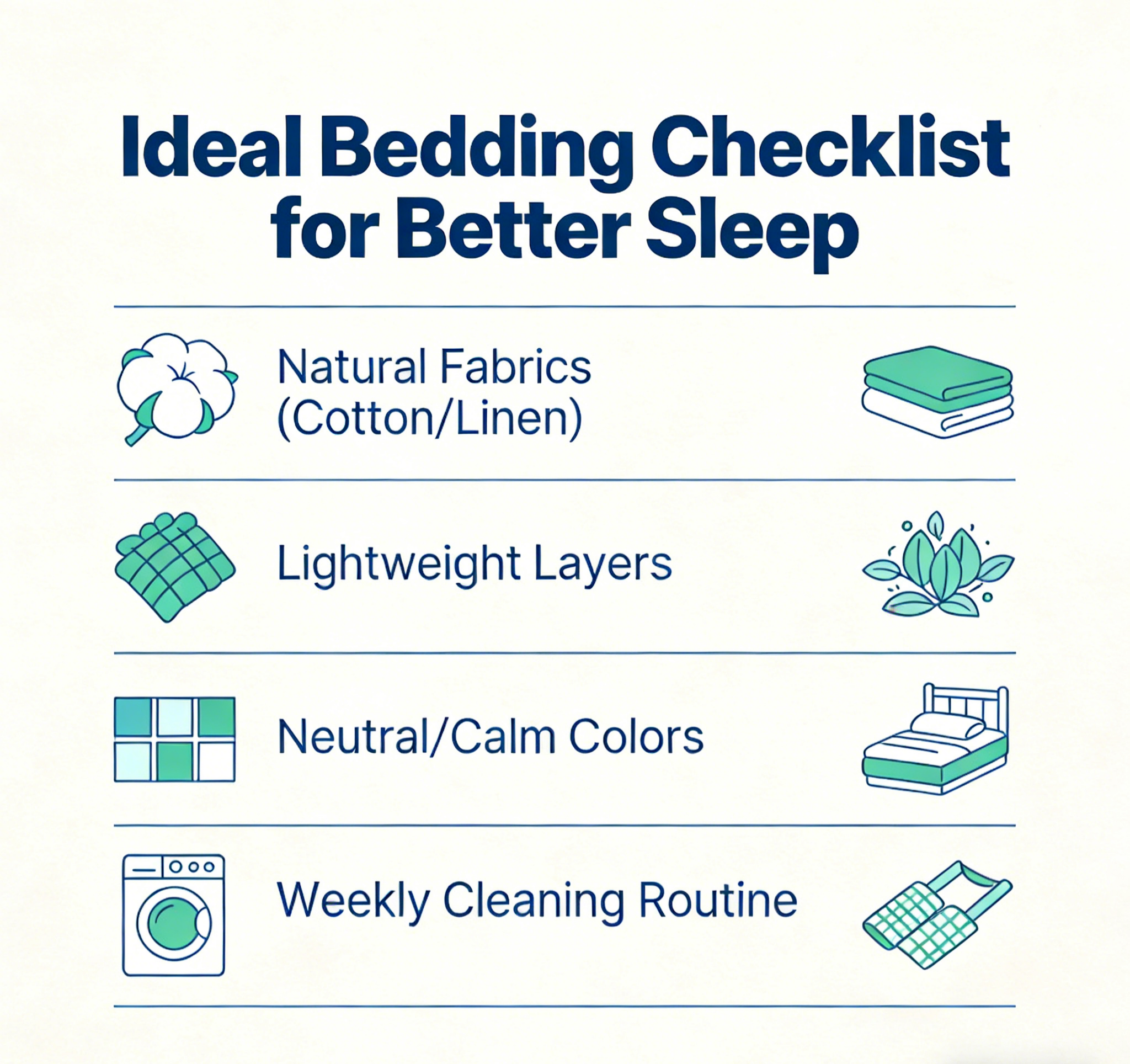
To optimize your sleep through bedding, focus on:
- Breathable natural fabrics
- Soft, non-irritating textures
- Light layering instead of bulk
- Calm colors and balanced patterns
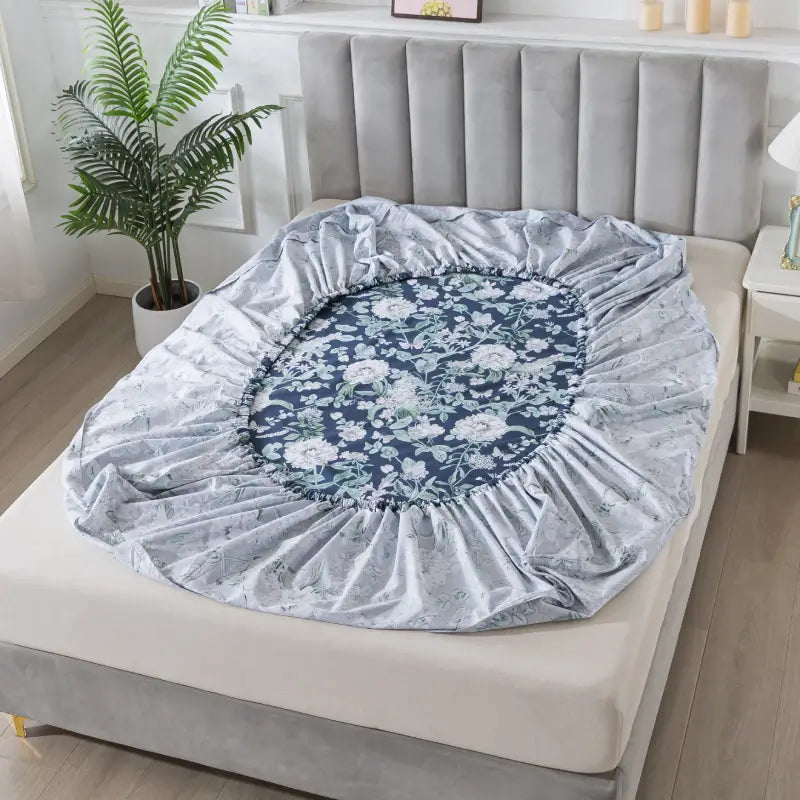
- Clean, well-maintained linens
When all these elements work together, your bed becomes a true sleep-support system—not just a place to lie down.
Final Thoughts
Better sleep doesn’t always require expensive technology or dramatic lifestyle changes. Sometimes, the simplest upgrades—like choosing the right bedding—can have the most lasting impact.
By selecting bedding that supports temperature regulation, sensory comfort, and psychological calm, you create the conditions your body needs for deeper, more restorative sleep.
Explore thoughtfully designed bedding made for comfort, beauty, and everyday ease at Fadfay.