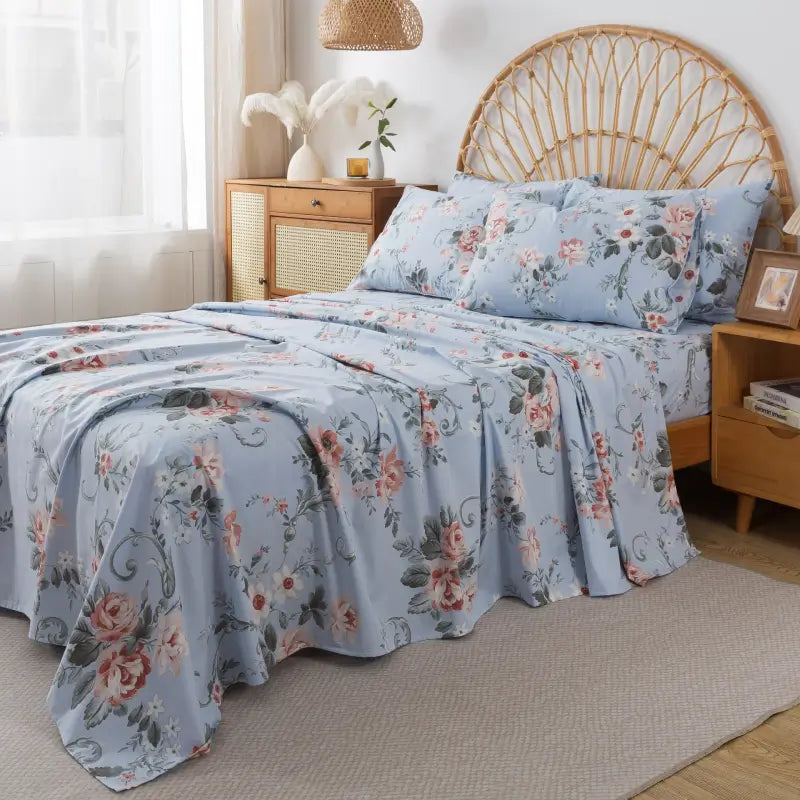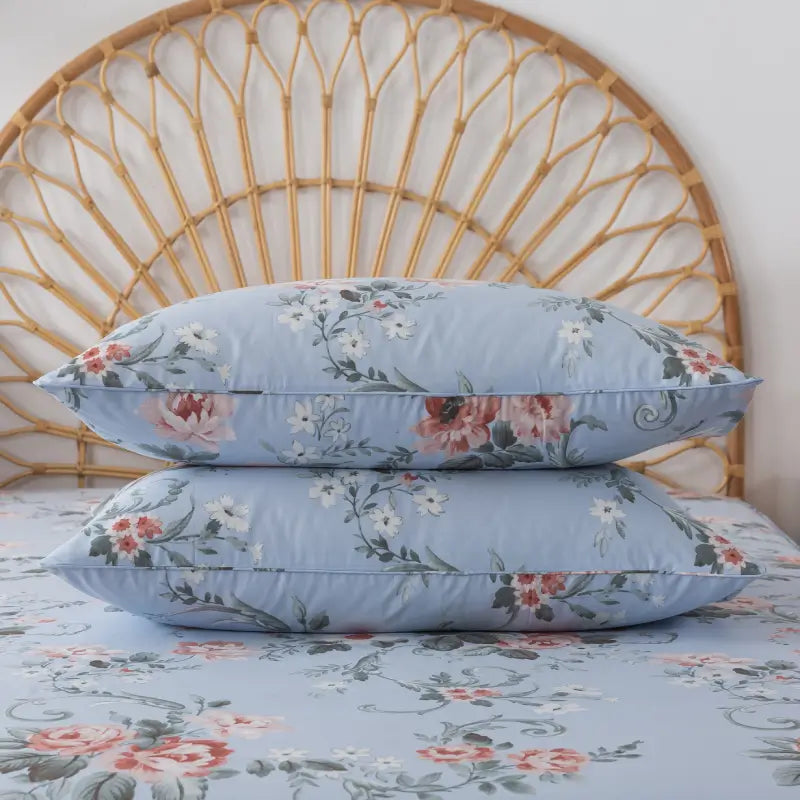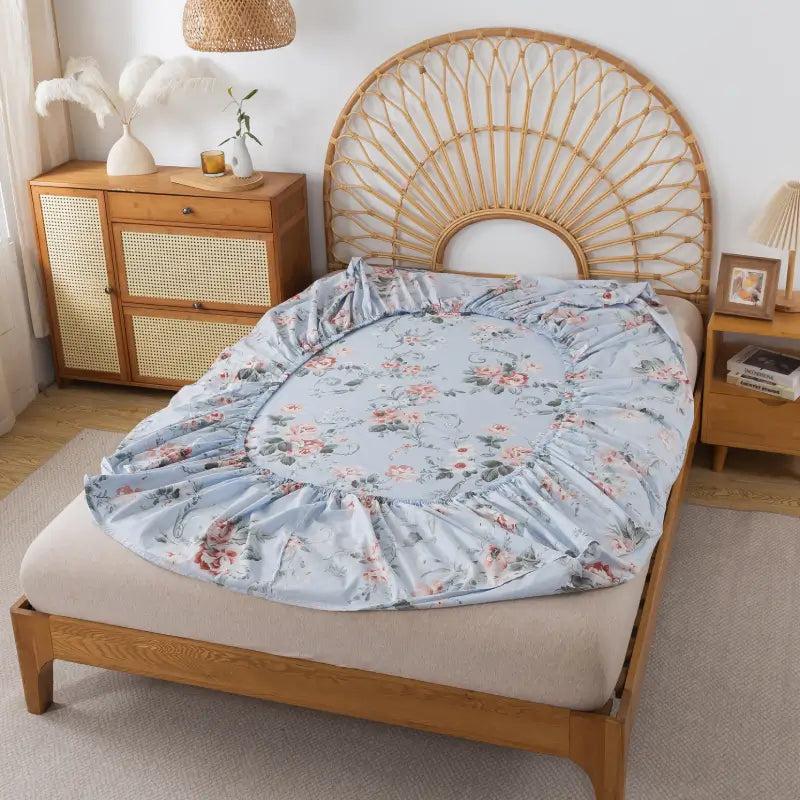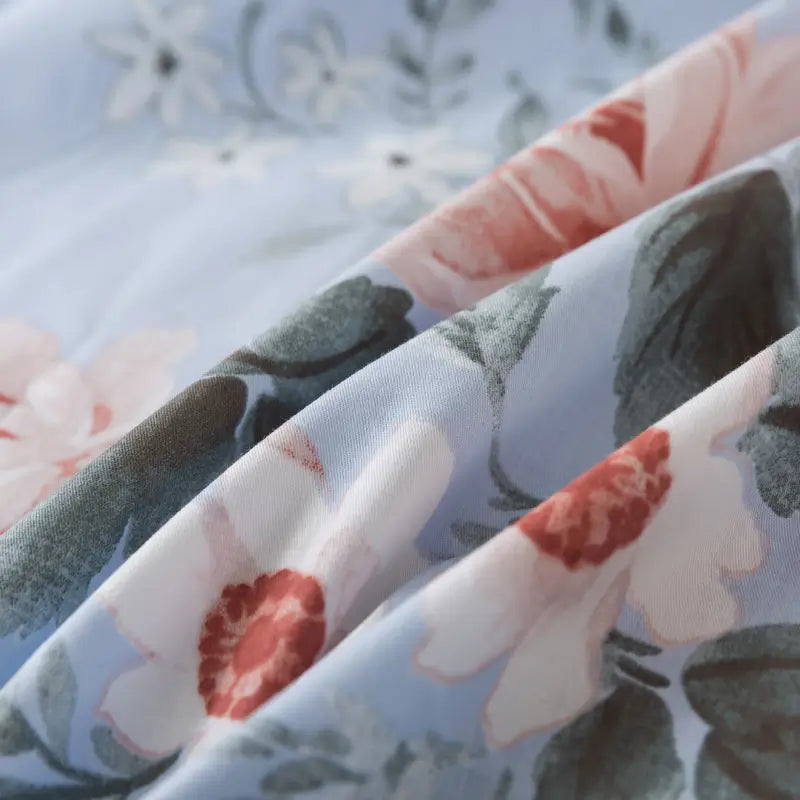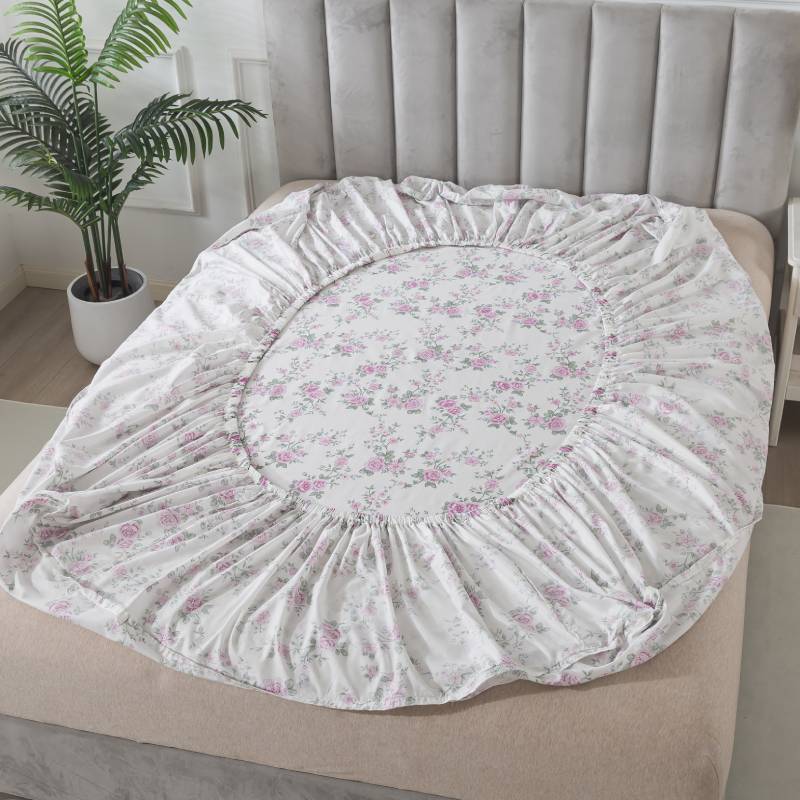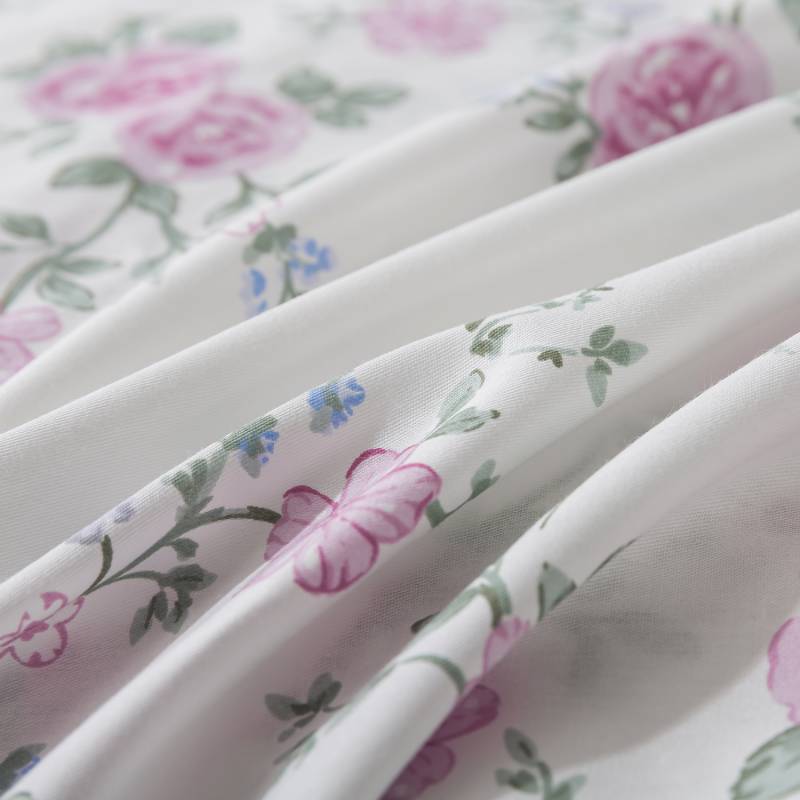
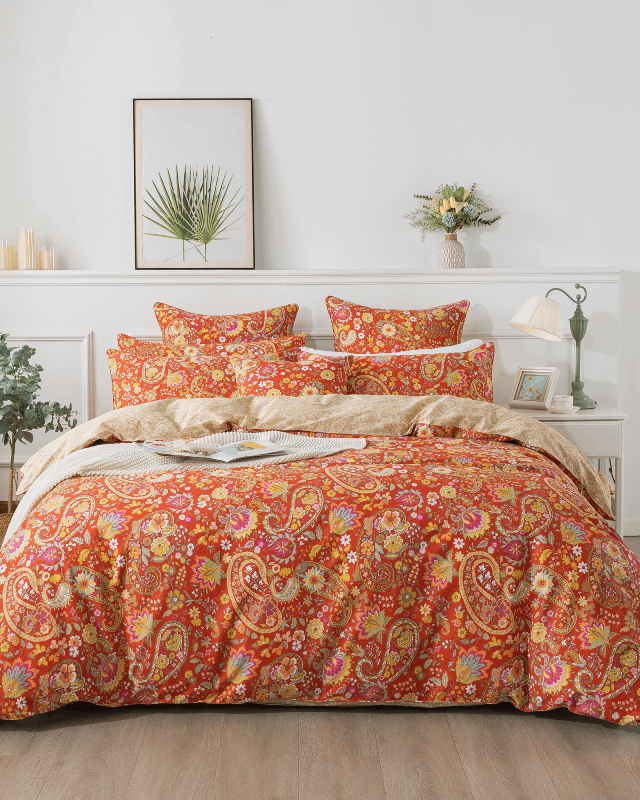
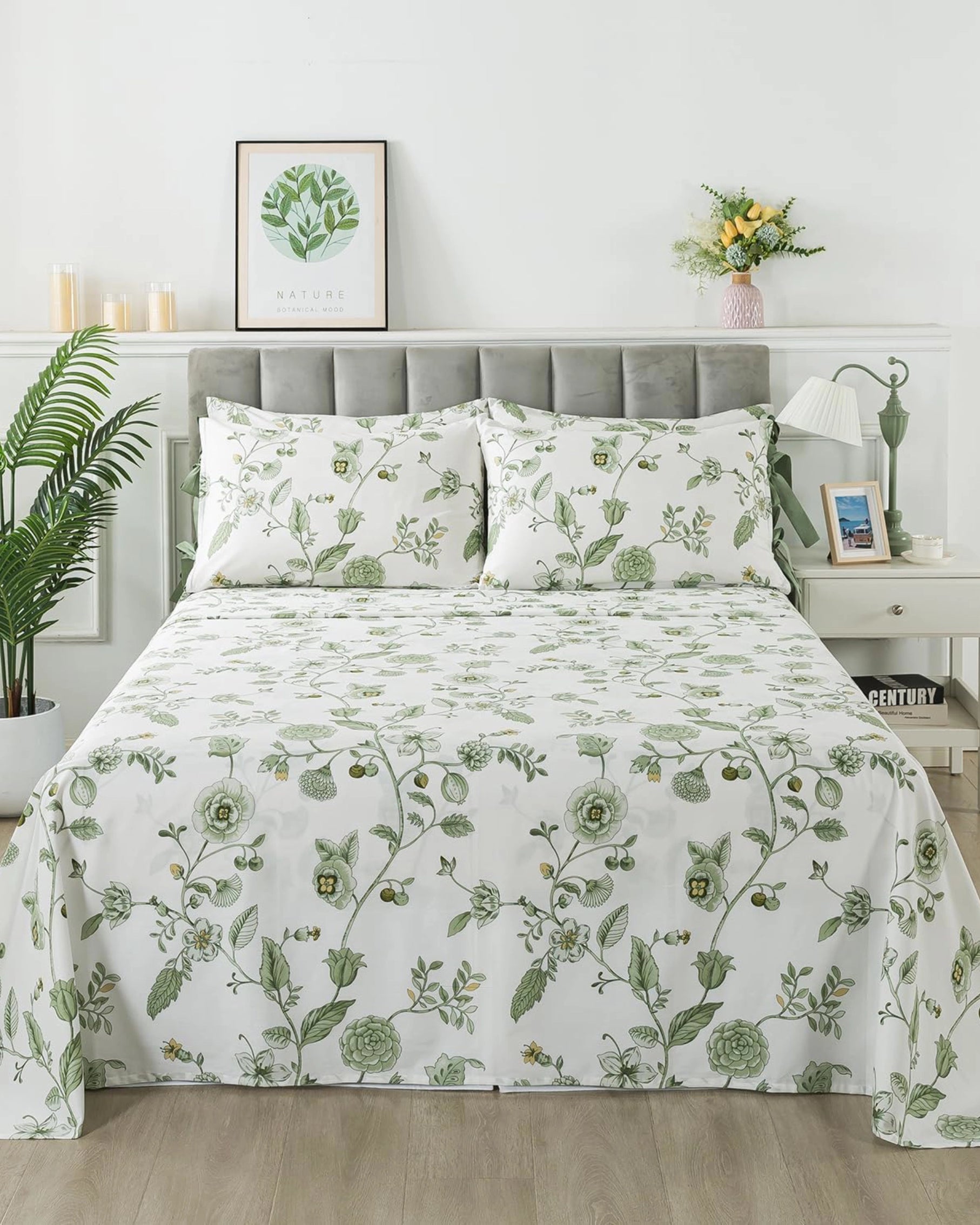


Visual balance is one of the most subtle yet powerful qualities of a well-designed home. It is not about symmetry or strict order, but about how the eye moves through a space without feeling pulled or overwhelmed. Among the many elements that contribute to this balance, soft patterns play a particularly important role. When used thoughtfully, they connect different parts of a room, soften transitions, and create a sense of calm continuity.
What Makes a Pattern “Soft”
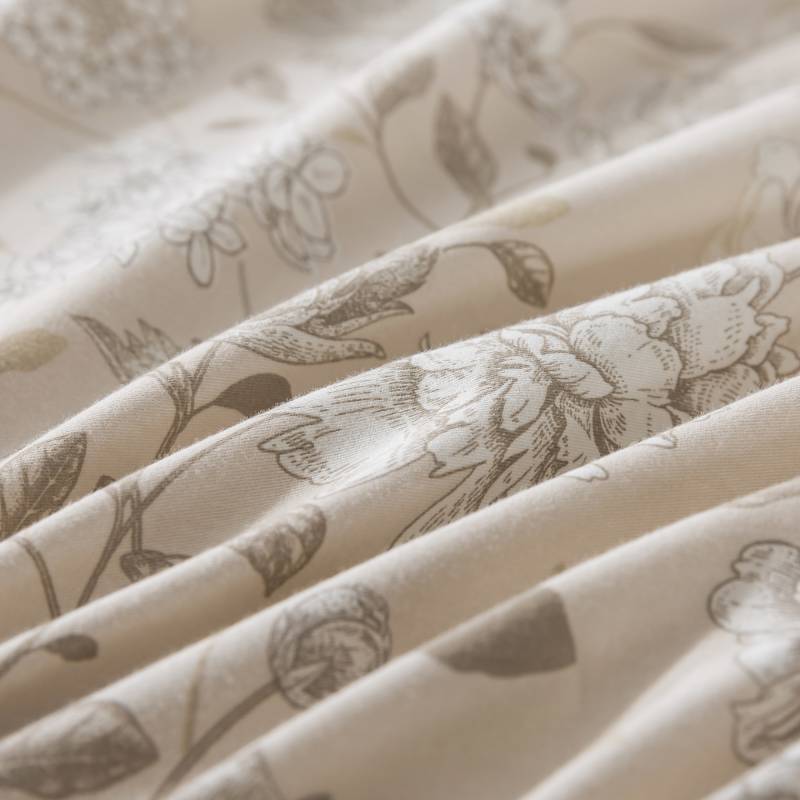
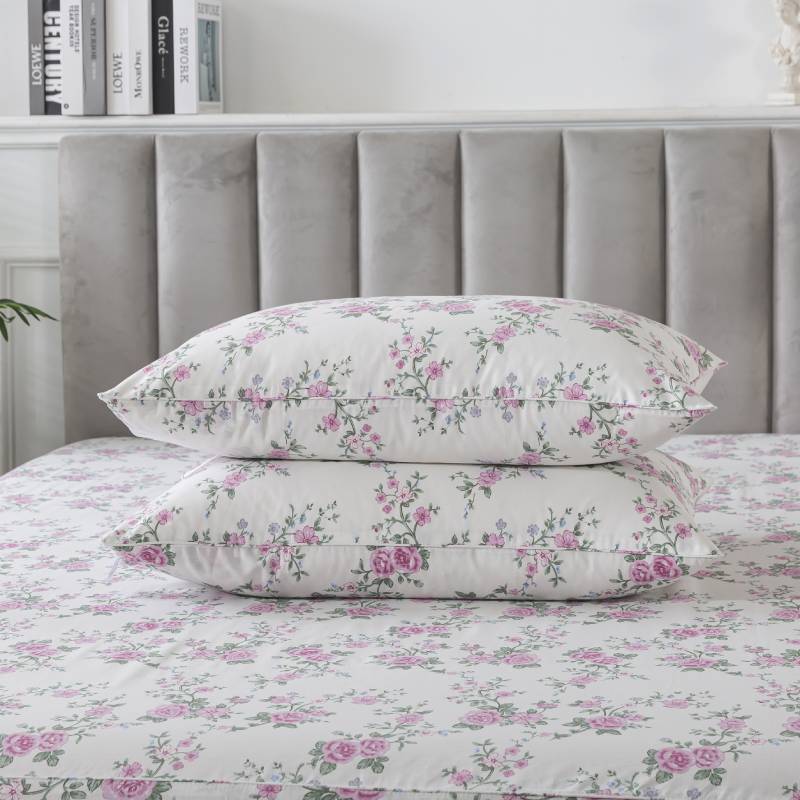
Soft patterns are defined less by what they show and more by how they behave visually. They often feature gentle contrasts, layered tones, and organic shapes rather than sharp lines or bold repetition. Florals, subtle geometrics, and tonal motifs fall into this category when they are designed with restraint.
Unlike high-contrast patterns that immediately demand attention, soft patterns invite the eye to linger. They are noticed gradually, allowing the space to feel cohesive rather than busy.
Balancing Visual Weight
Every object in a room carries visual weight. Dark colors, strong shapes, and high-contrast patterns feel heavier, while light colors and muted designs feel lighter. Soft patterns help distribute this weight more evenly.
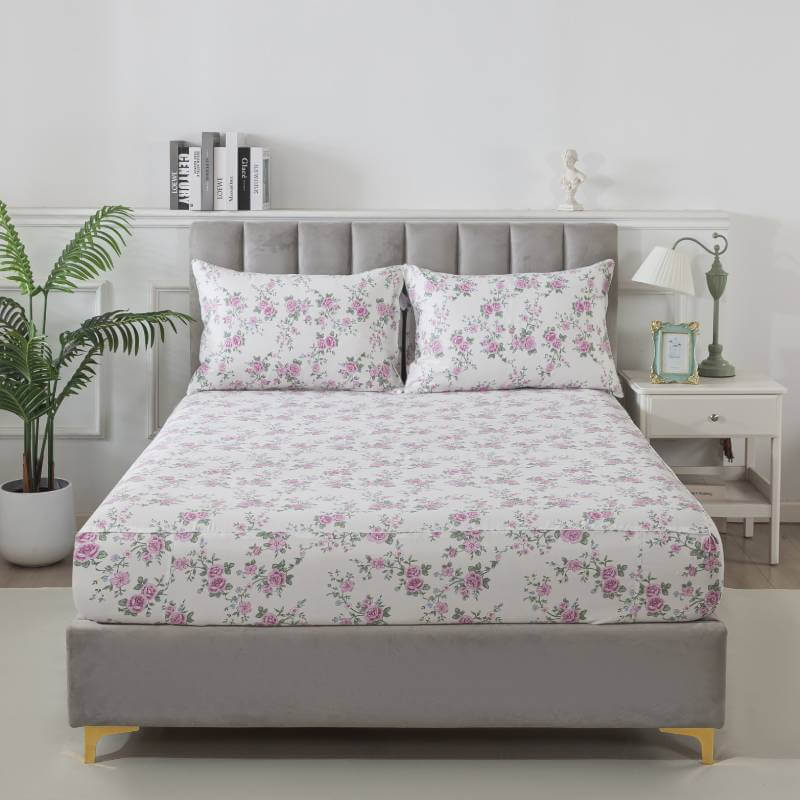
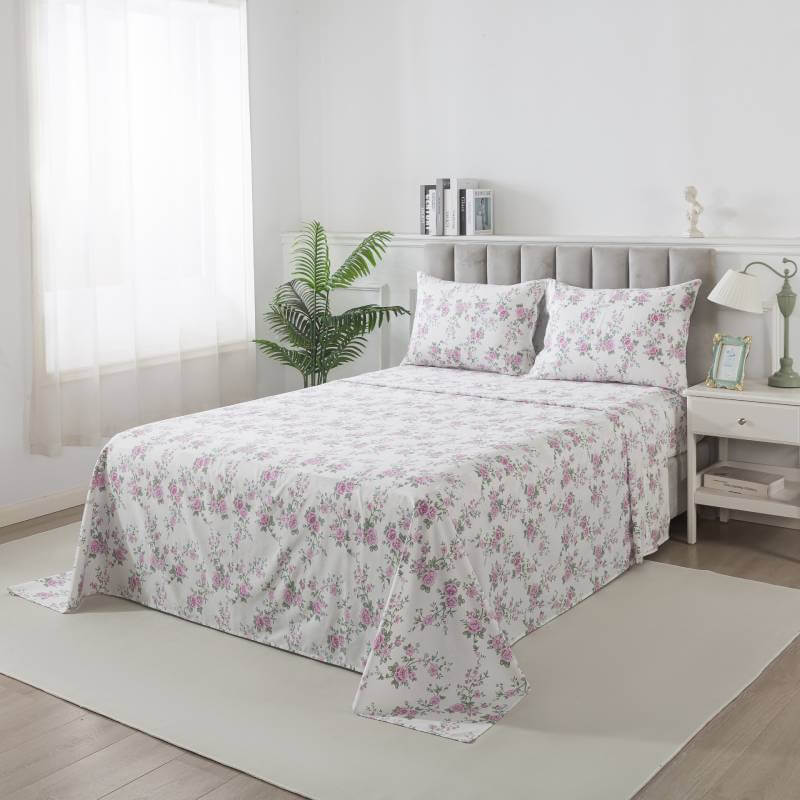
For example, a room with solid-colored furniture and clean architectural lines can feel stark or flat. Introducing a softly patterned quilt, rug, or cushion adds visual interest without tipping the balance. The pattern fills the space gently, preventing large areas of visual emptiness while avoiding clutter.

Creating Flow Between Elements
One of the challenges in home design is making different elements feel connected. Soft patterns act as visual bridges. Because they contain multiple tones and subtle variations, they can echo colors from other parts of the room.
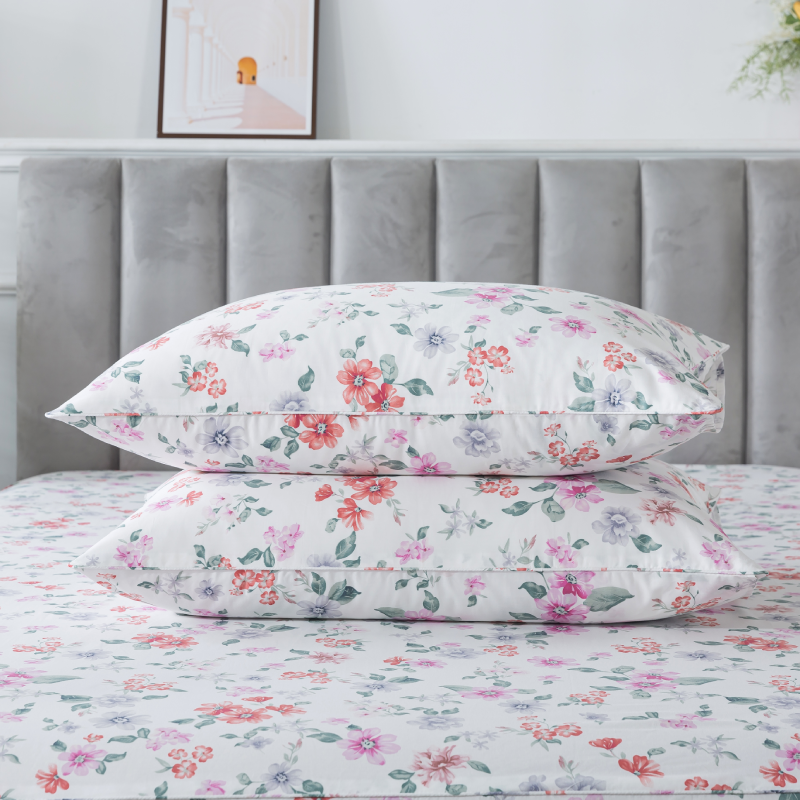
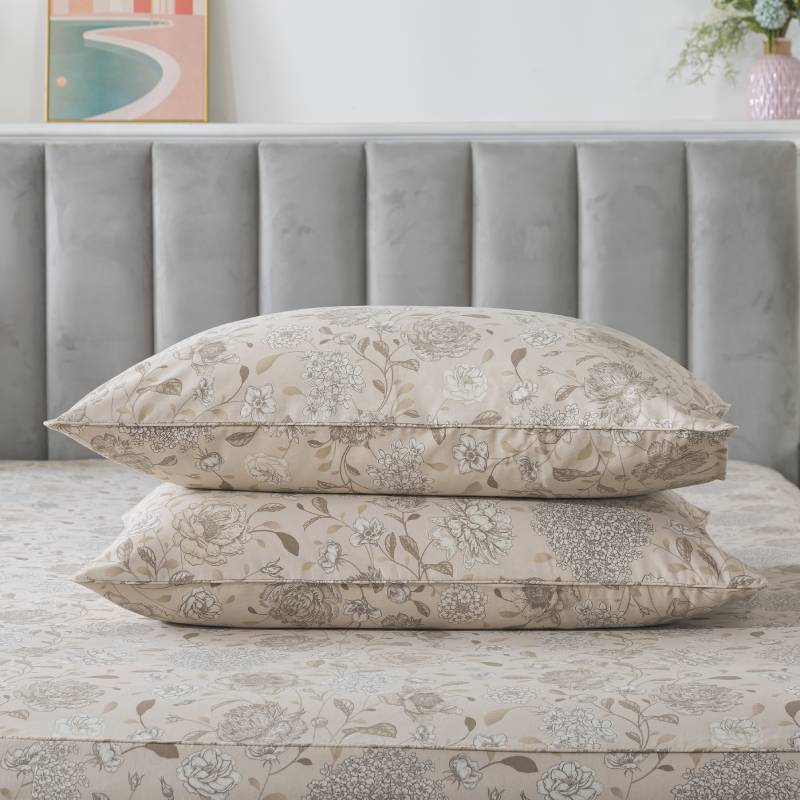
A floral pattern that includes hints of wood tones, neutral backgrounds, and muted accent colors can tie together furniture, walls, and accessories. This repetition creates flow, guiding the eye naturally from one area to another.
Soft Patterns as a Background, Not a Statement
In balanced interiors, not everything should compete for attention. Soft patterns work best when they function as a background rather than a focal point. This does not mean they are boring; it means they support the overall composition.
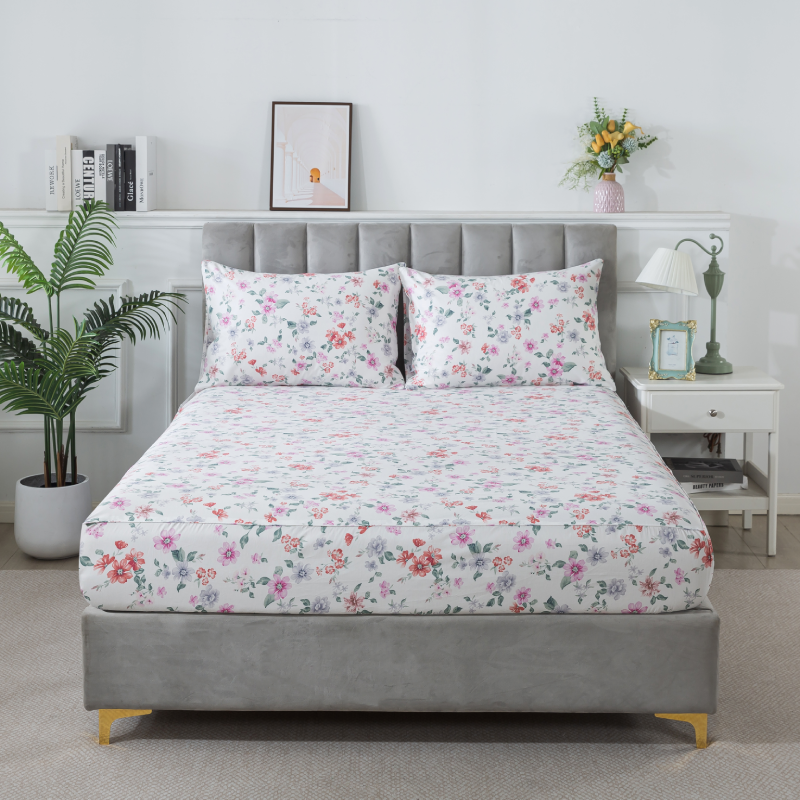
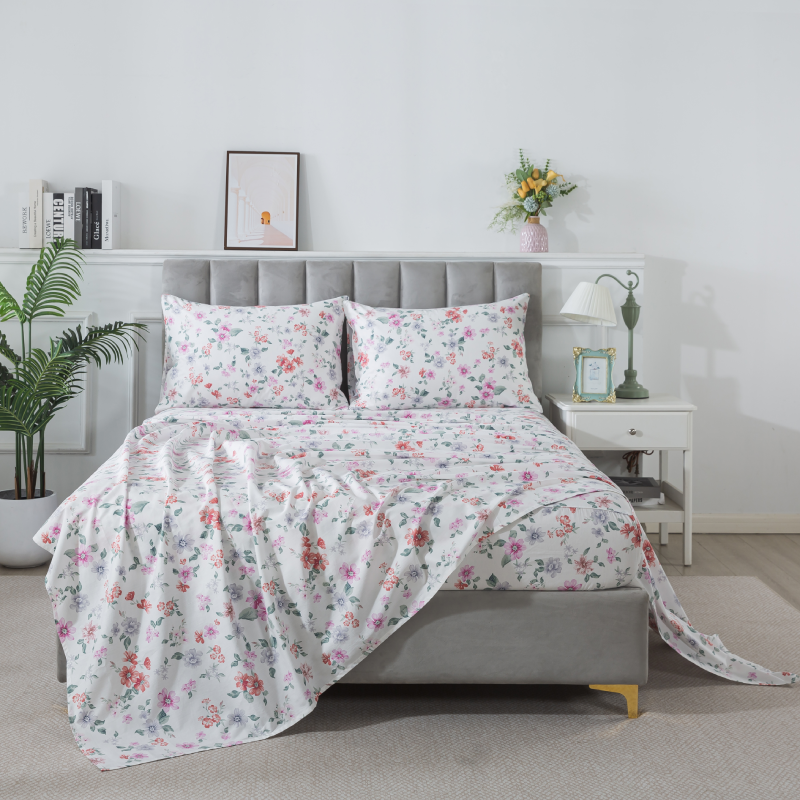
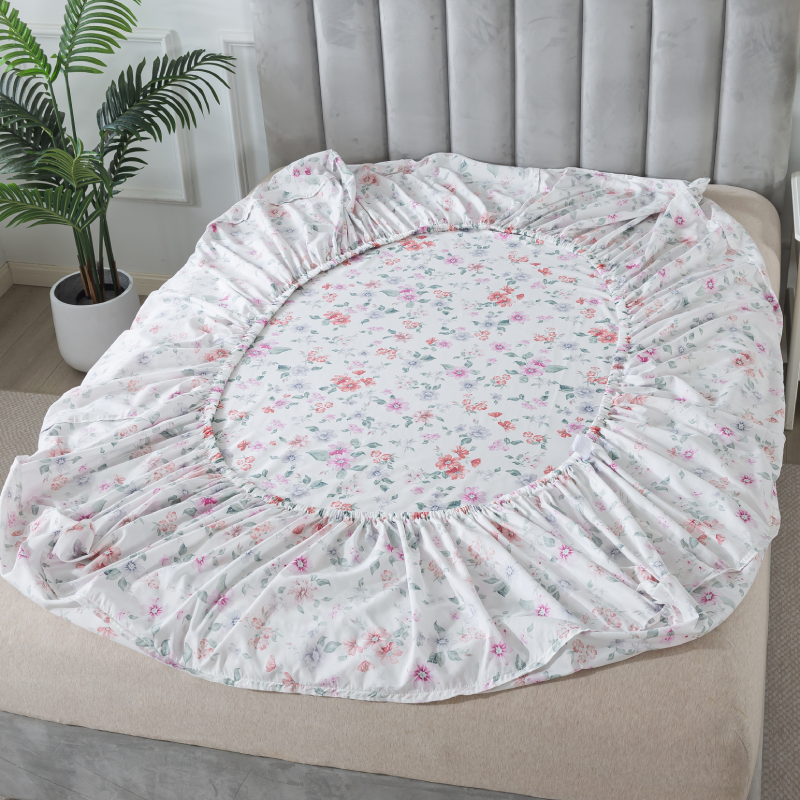
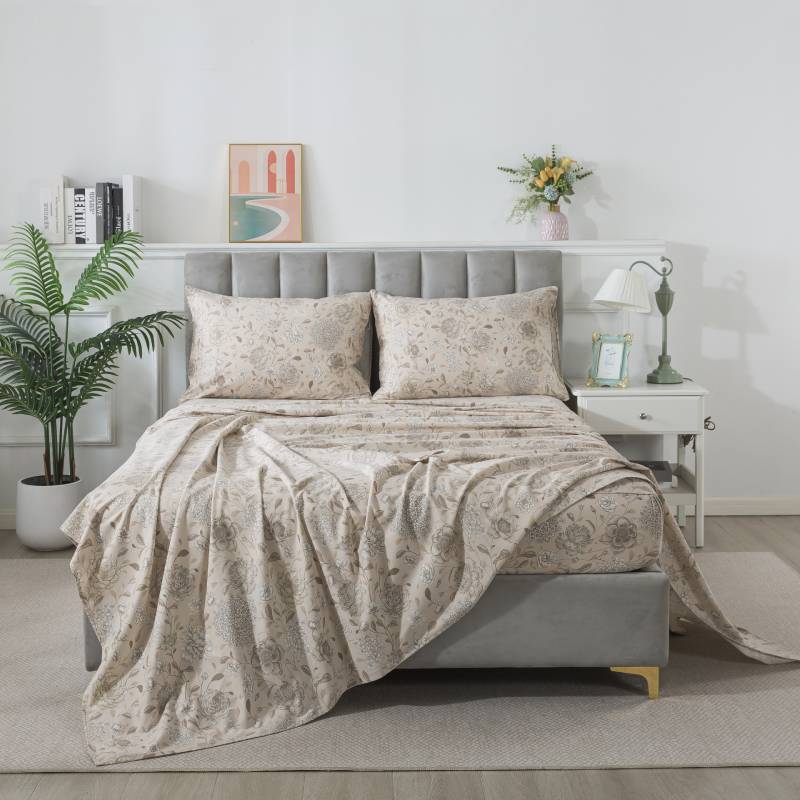
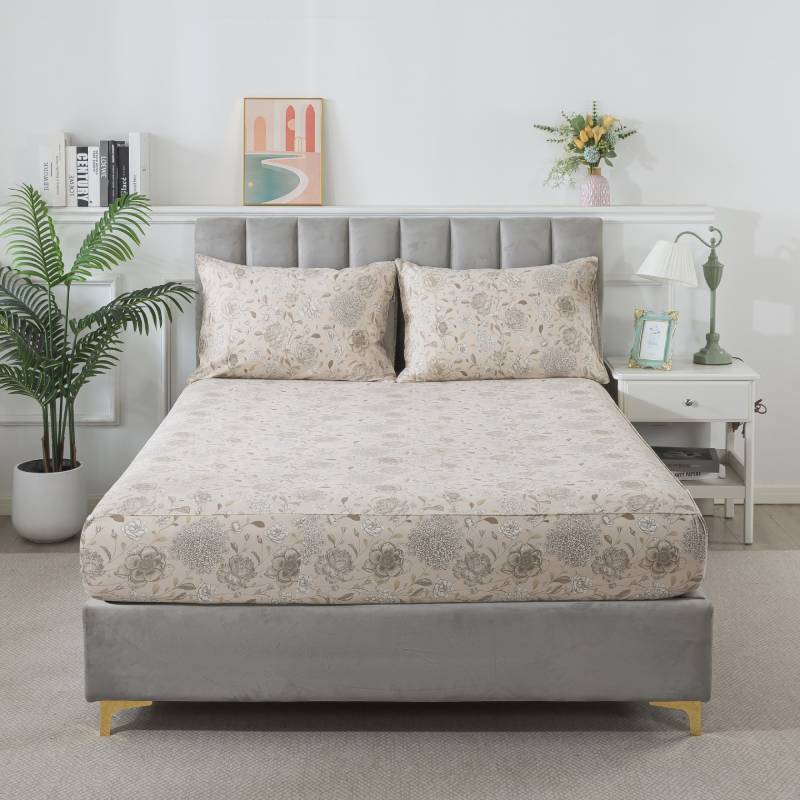
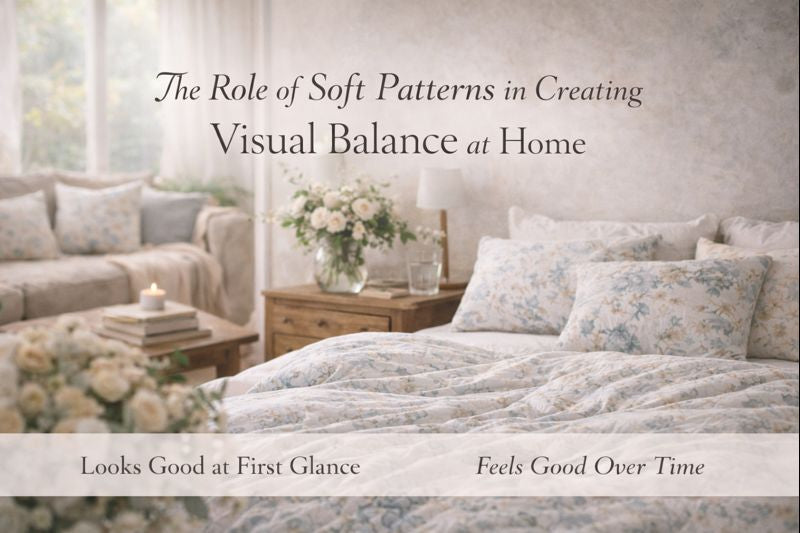
In bedrooms, for instance, a softly patterned bedding set can provide texture and warmth while allowing the room to remain restful.