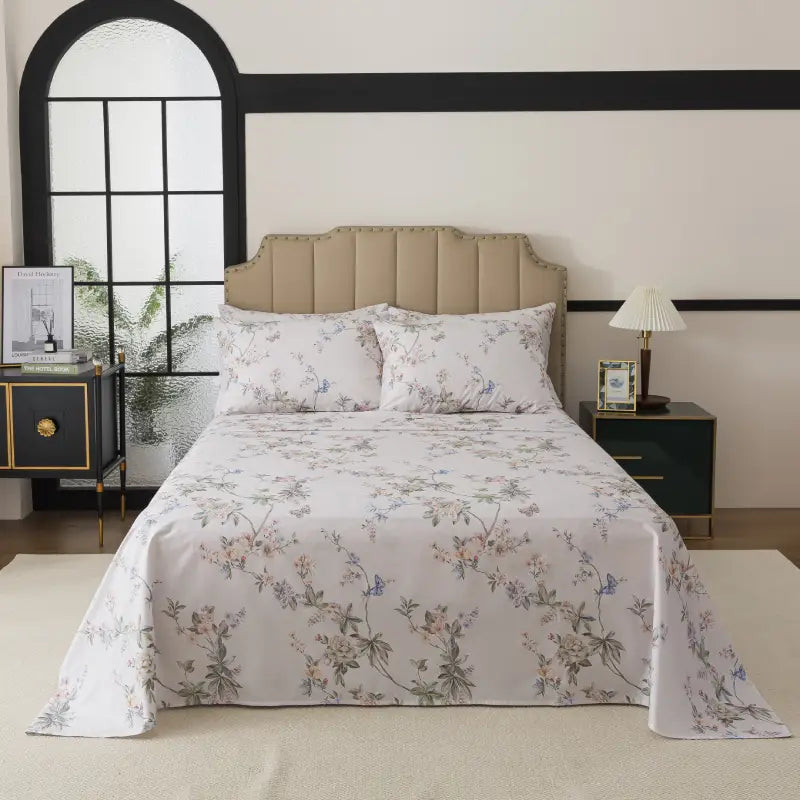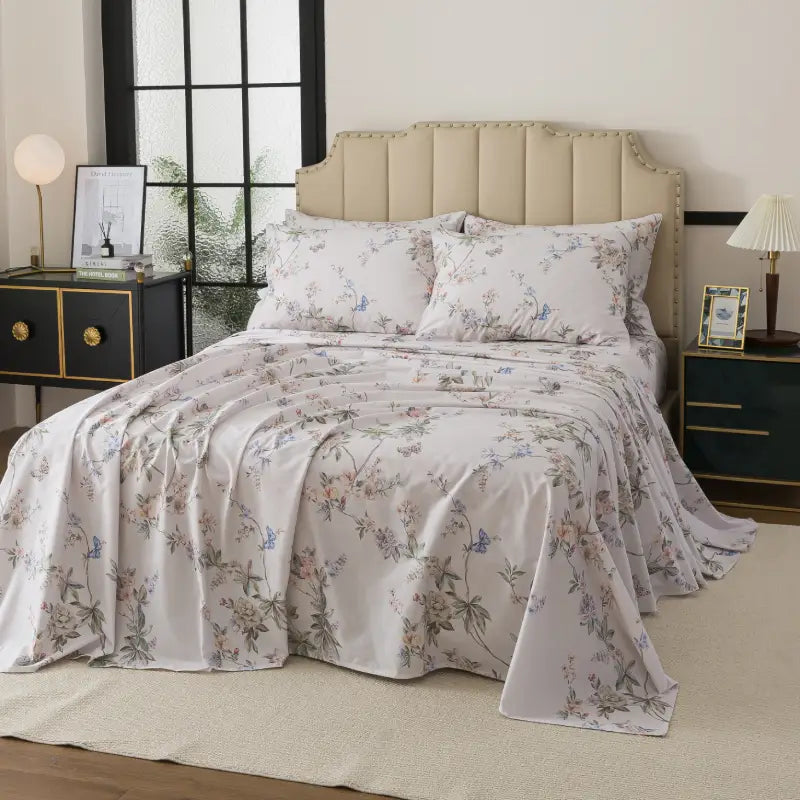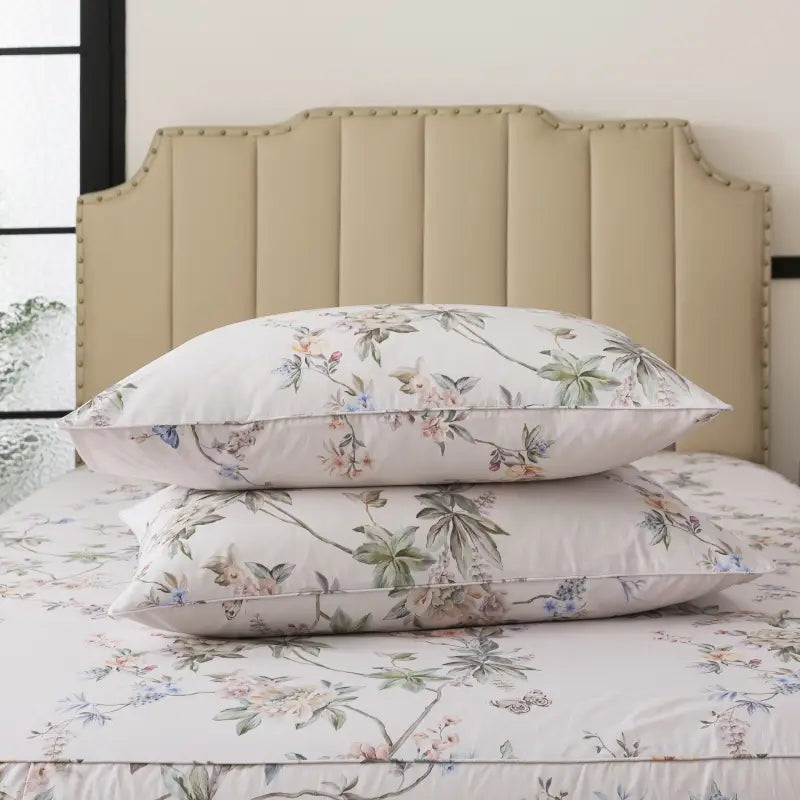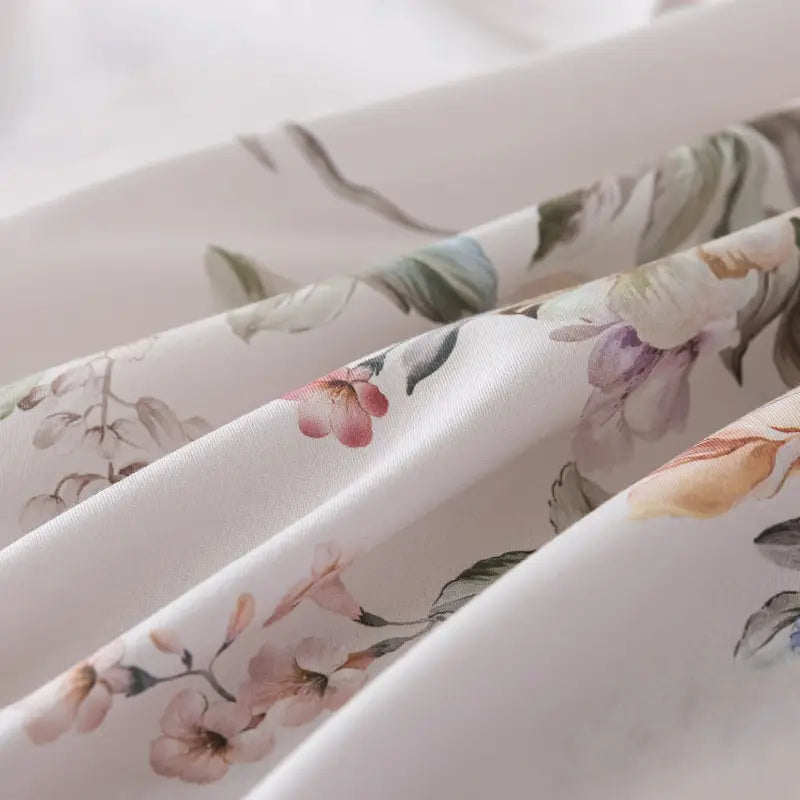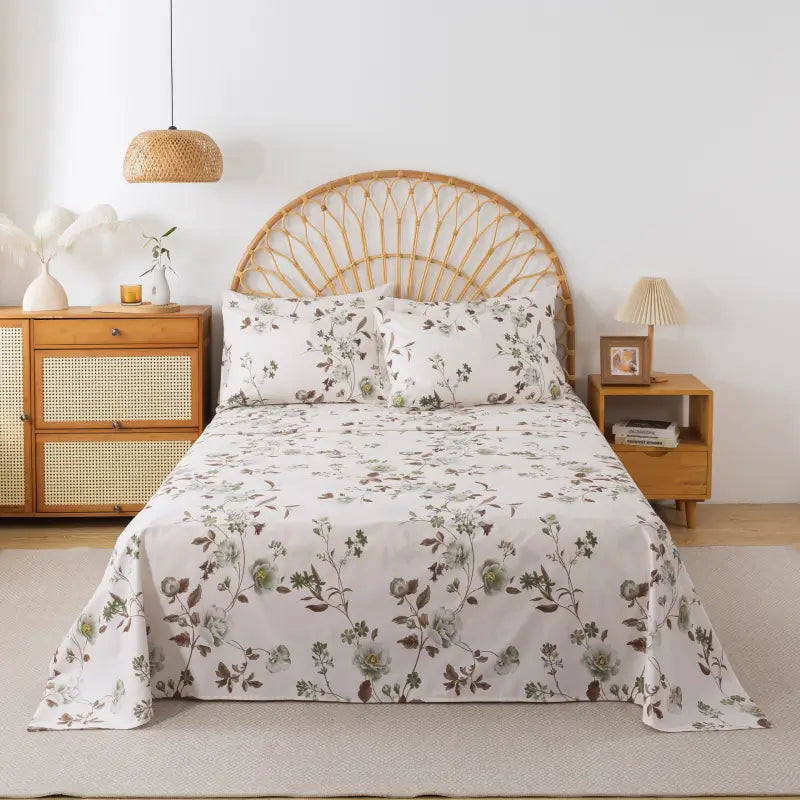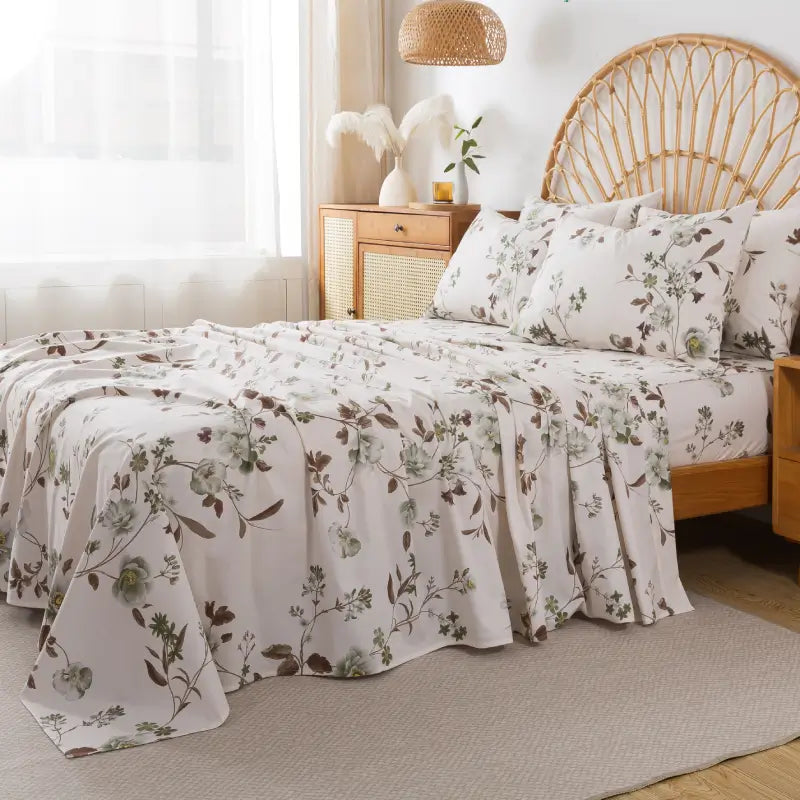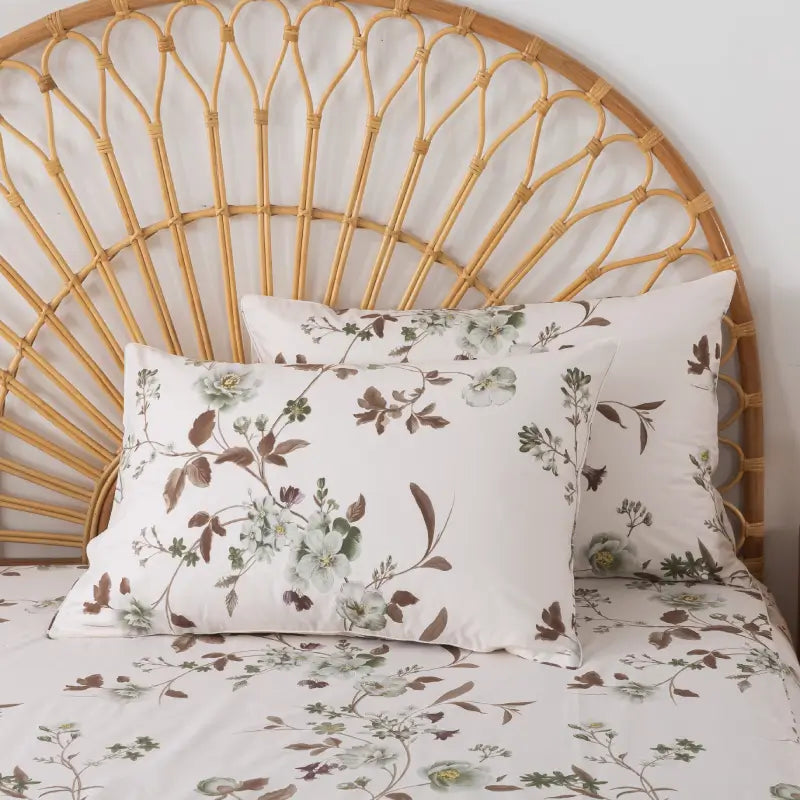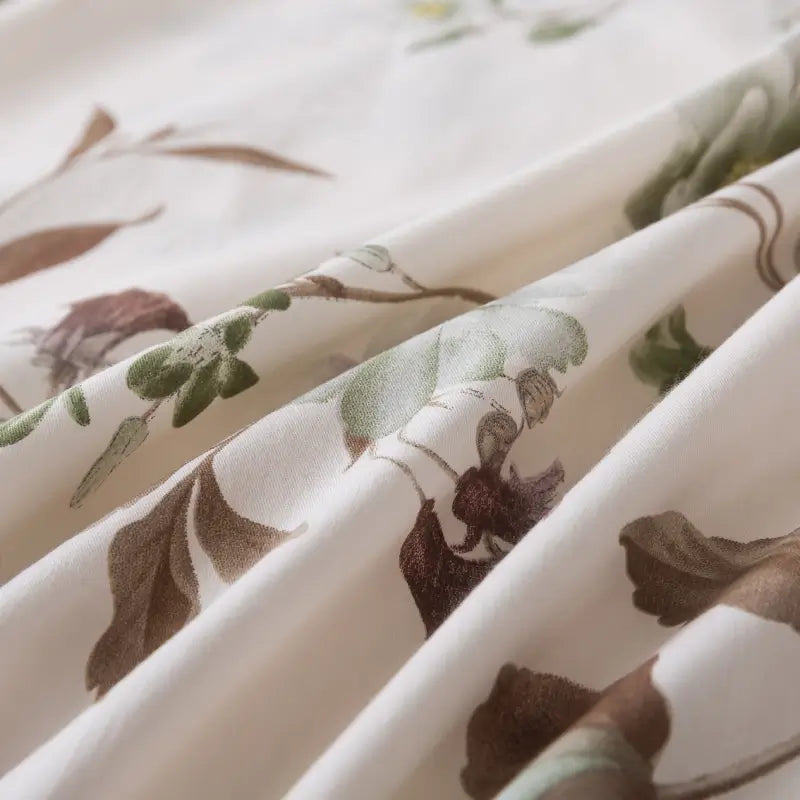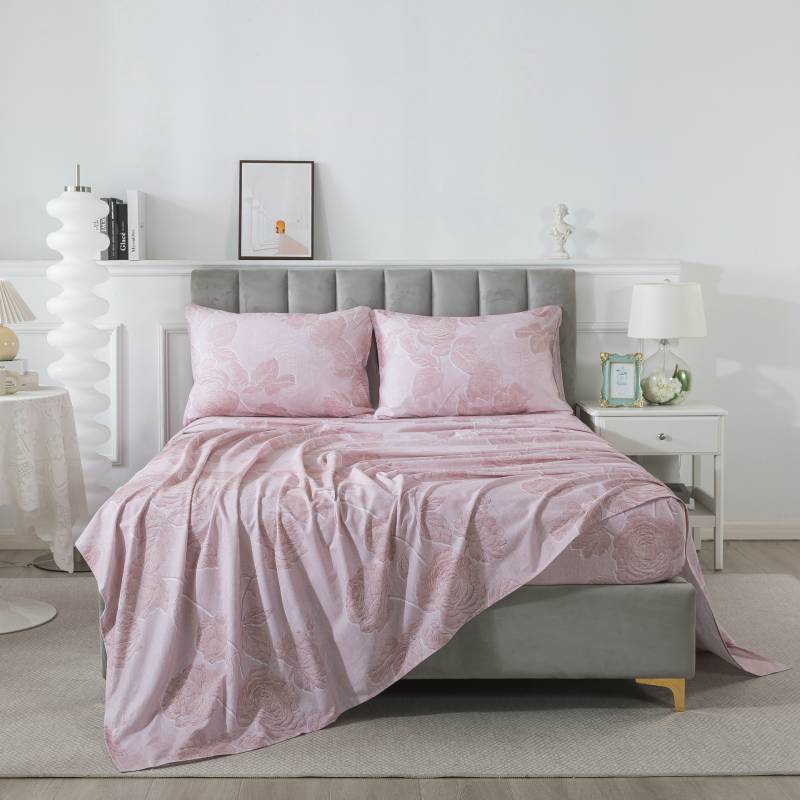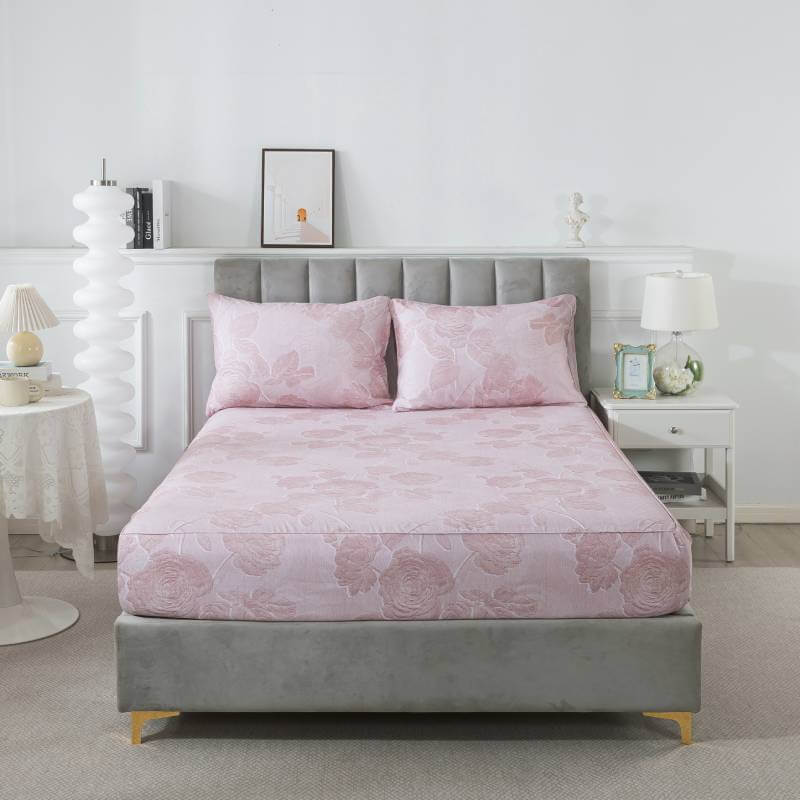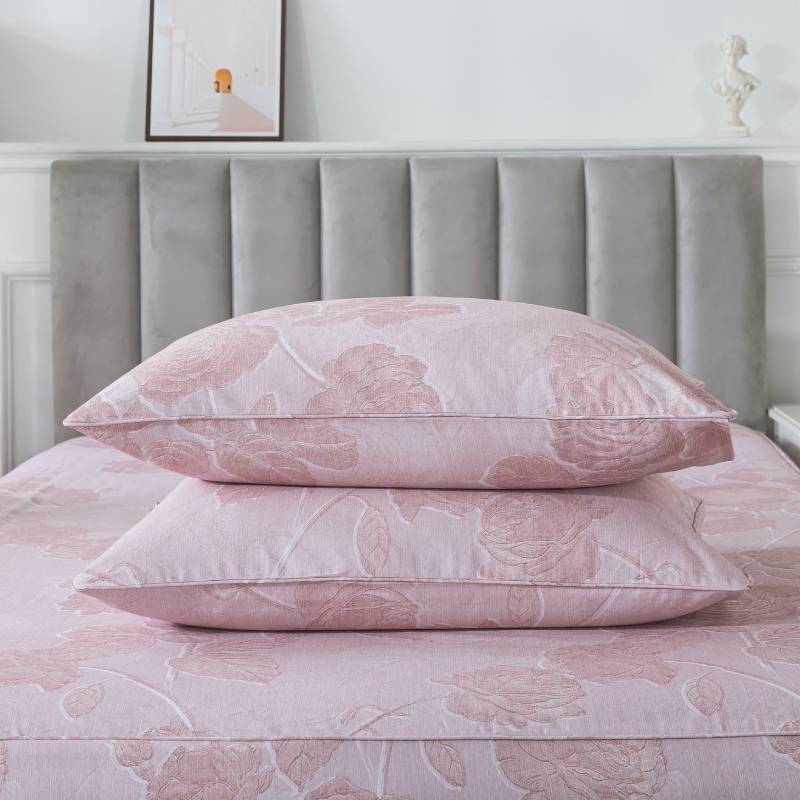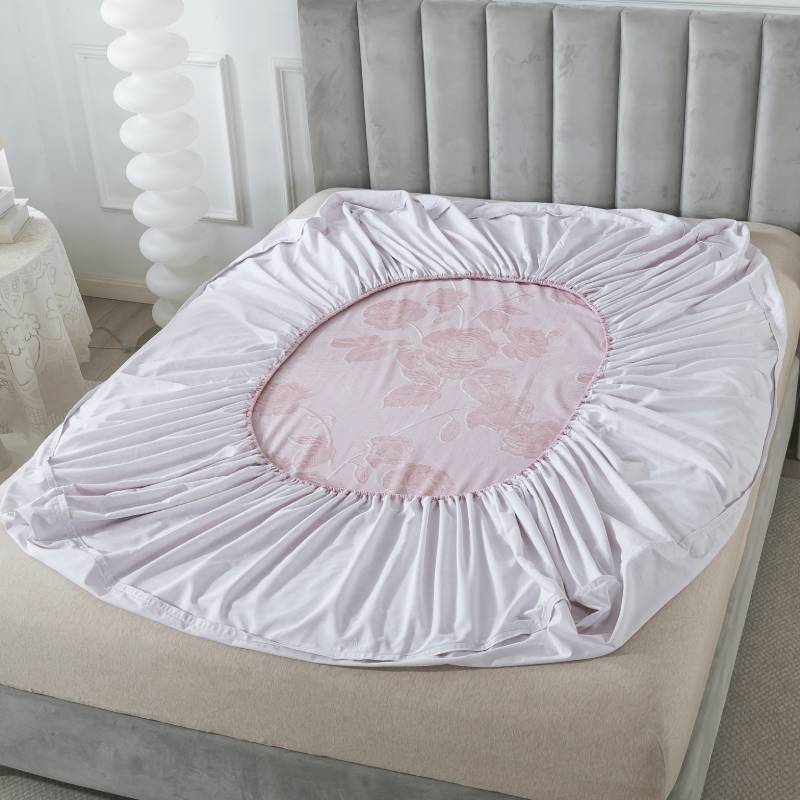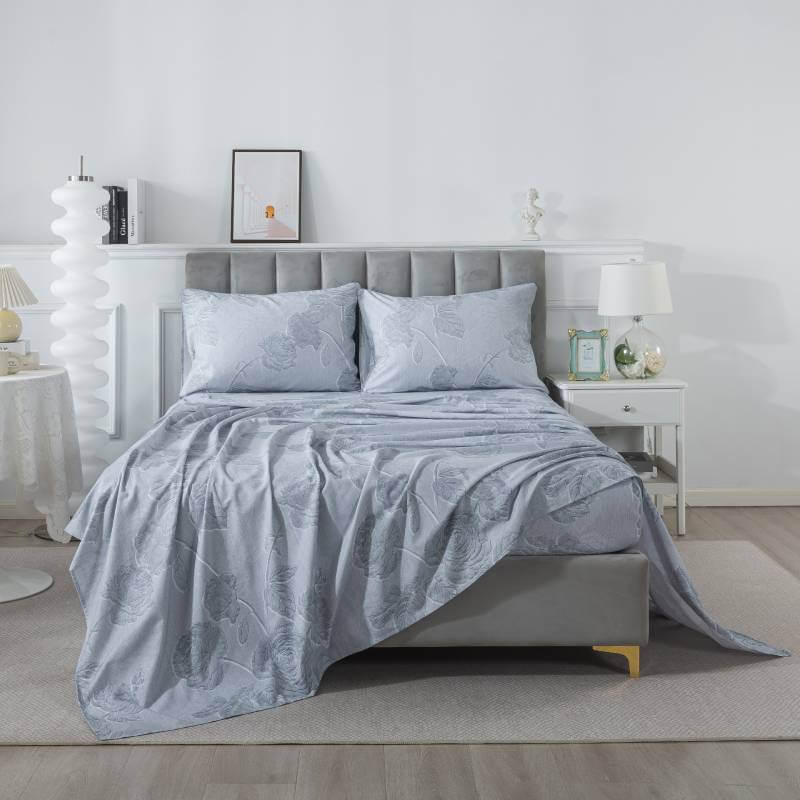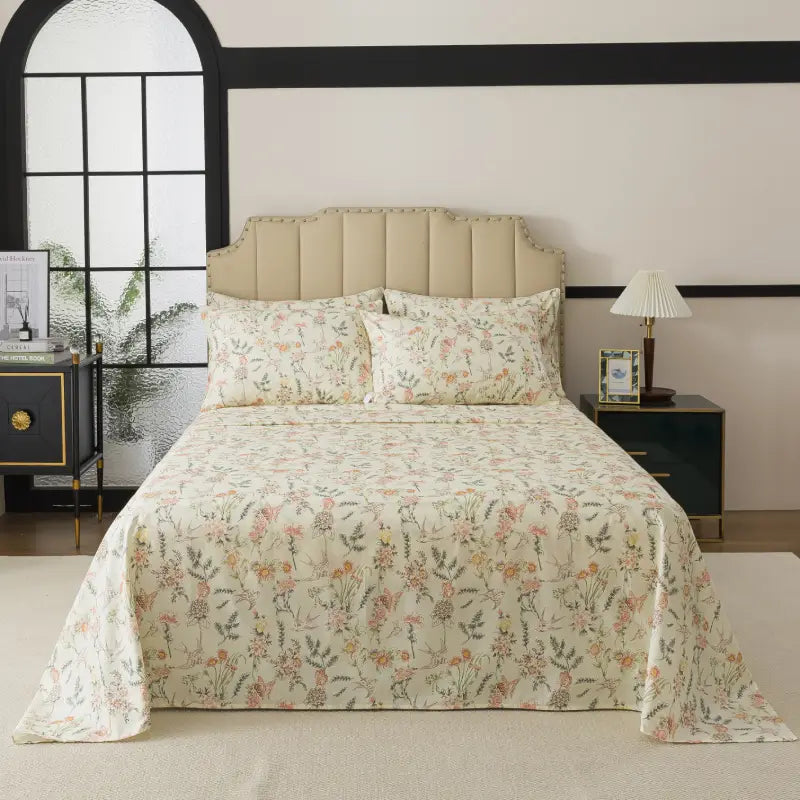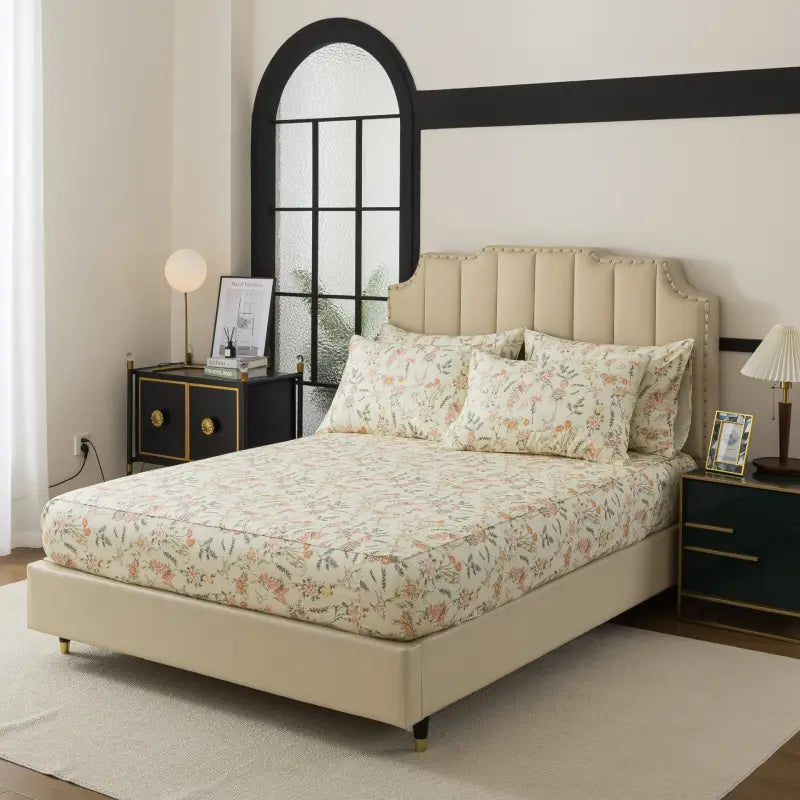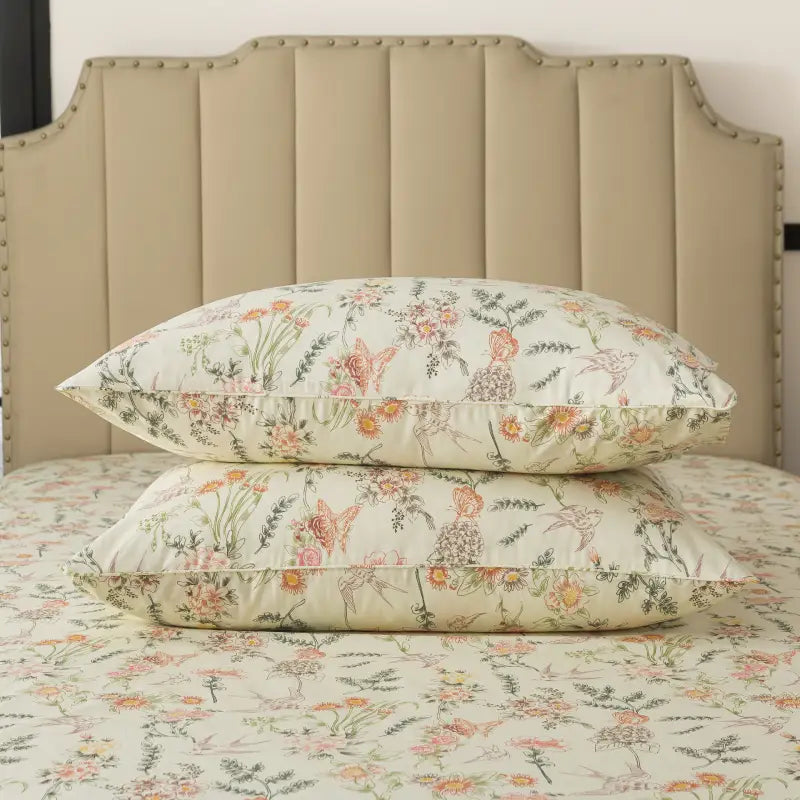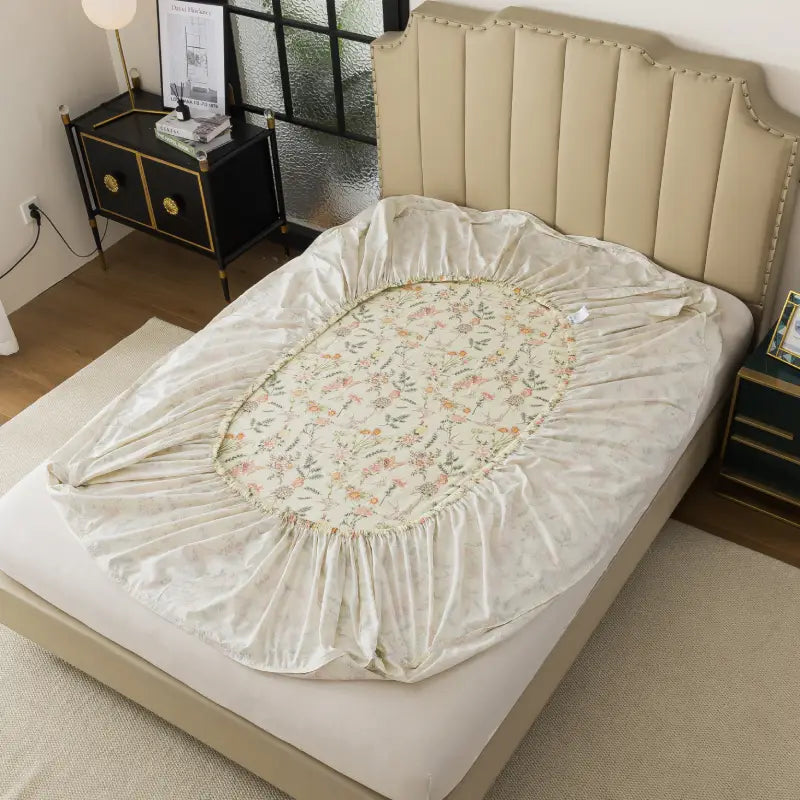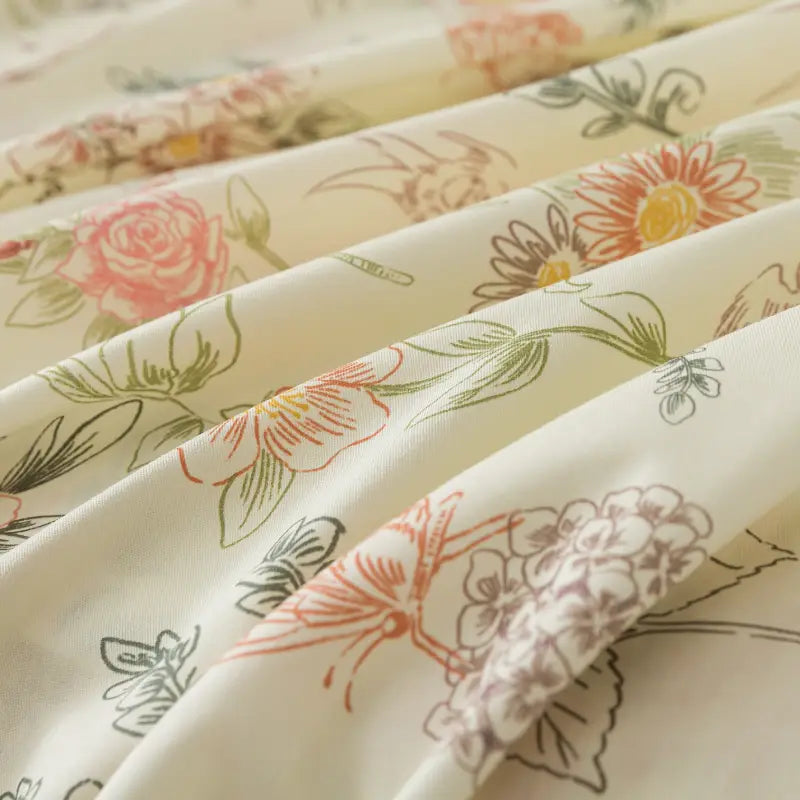
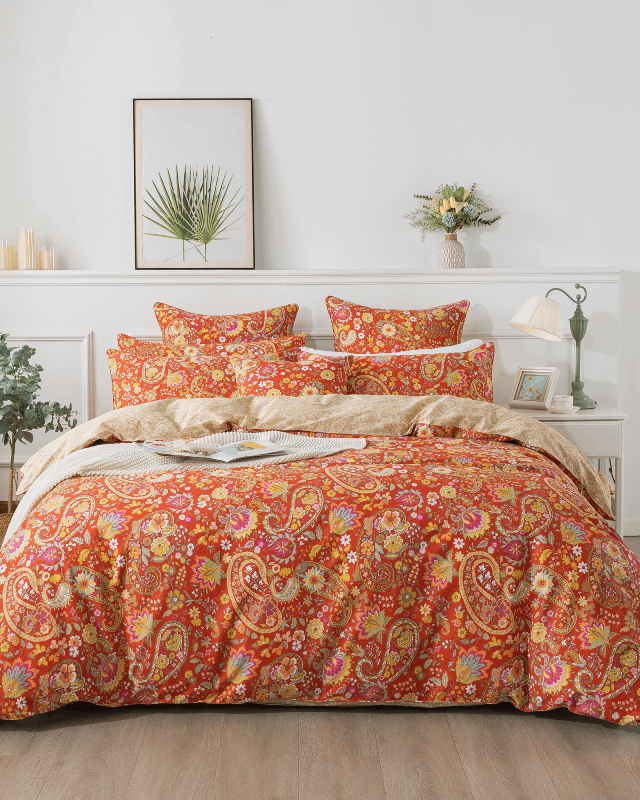
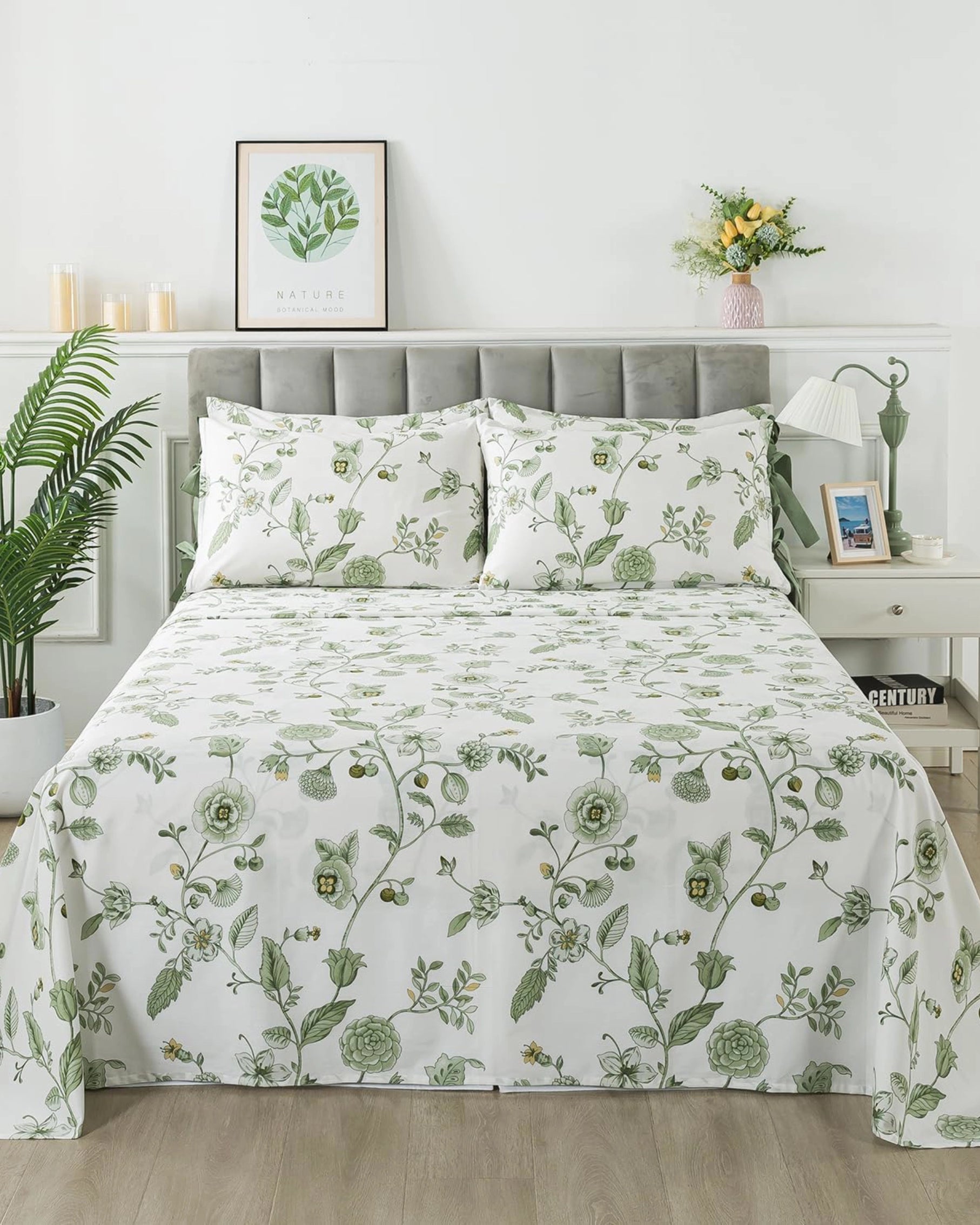


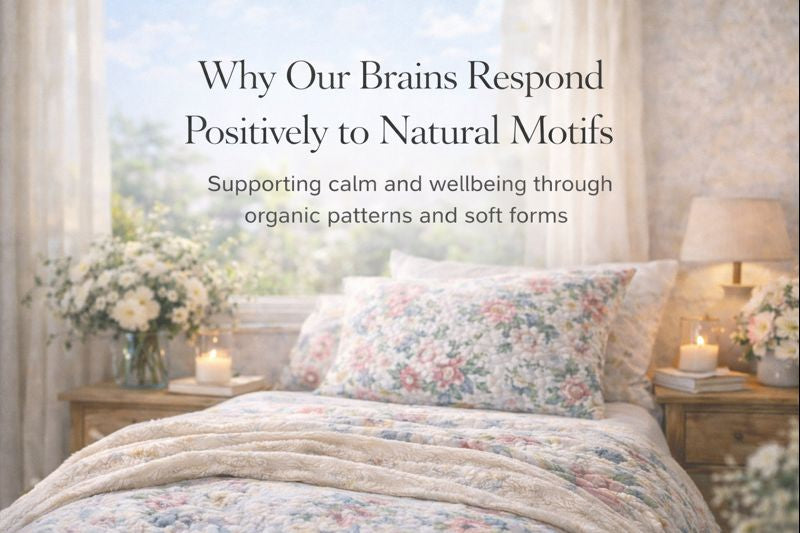
Humans have always lived in relationship with nature. Long before interiors, architecture, or decoration existed, the natural world shaped how we moved, rested, and felt safe. Although modern life has pulled us indoors, our brains have not forgotten this connection. This is why natural motifs—florals, organic patterns, soft textures, and earthy colors—continue to feel comforting rather than outdated. They resonate at a level deeper than style.
The Brain Is Wired for Nature
Neuroscience shows that the human brain evolved in natural environments. For thousands of years, survival depended on reading landscapes, recognizing plant forms, and responding to changes in light and season. These visual cues became deeply embedded in our nervous system.
When we encounter natural motifs today—leaf-like shapes, flowing lines, or botanical patterns—the brain recognizes them as familiar and non-threatening. This recognition reduces cognitive load, allowing the mind to relax instead of staying alert.
Organic Patterns Reduce Visual Stress
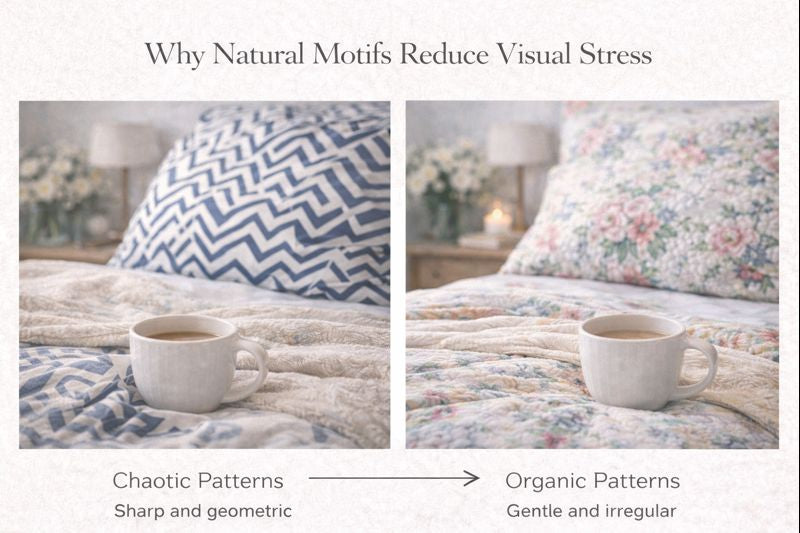
Not all visual stimulation is equal. Highly geometric, sharp, or chaotic patterns require more processing effort. They keep the brain active, scanning for order and meaning. Over time, this can create subtle mental fatigue.
Natural motifs tend to follow irregular but balanced rhythms. No leaf is perfectly symmetrical, yet nothing feels out of place. This gentle complexity mirrors how the brain expects the world to look, making natural patterns easier to process and more soothing to observe.
Soft Repetition Creates Calm
Nature repeats forms without rigidity: petals, branches, waves, clouds. This kind of repetition provides structure without monotony. The brain finds comfort in predictability, but it also craves variation.
Floral and organic designs often achieve this balance. Repeated shapes create rhythm, while slight differences prevent boredom. The result is visual calm that feels alive rather than static.
Emotional Safety Through Familiarity
Beyond cognition, natural motifs play a role in emotional regulation. Environments that feel safe allow the nervous system to shift out of a defensive state. Soft patterns, muted colors, and organic forms subtly signal that there is no immediate threat.
This is why spaces with natural elements often feel more welcoming. They do not demand attention or performance. Instead, they offer visual reassurance—something the brain interprets as emotional safety.
Why Natural Motifs Age Well
Trends come and go, but nature does not. Designs inspired by the natural world tend to feel timeless because they are rooted in something constant. Our brains respond to them the same way across generations.
As materials soften with use and patterns fade gently rather than sharply, natural motifs often become more appealing over time. This aging process mirrors nature itself, reinforcing the sense of continuity and comfort rather than loss.
The Role of Subtlety
The key to positive response lies in restraint. Overly bold or crowded natural patterns can overwhelm rather than soothe. Subtle motifs—soft florals, low-contrast designs, gentle color transitions—work best because they align with how the brain prefers to absorb visual information.
When natural motifs are used thoughtfully, they support calm without becoming the focus. They stay present without being loud, which allows a space to feel restorative rather than stimulating.
Everyday Environments Shape Mental Well-Being
We often underestimate how much daily surroundings affect our mood. Bedrooms, living rooms, and quiet corners influence stress levels more than statement spaces ever will. Natural motifs quietly support mental well-being by creating environments that feel familiar, grounded, and humane.
They do not ask us to adapt to them. Instead, they adapt to us—just as nature always has.
A Return, Not a Trend
Our positive response to natural motifs is not nostalgia or preference alone. It is biology. When we bring elements of nature into our homes—through pattern, texture, or color—we are not decorating. We are reconnecting.
In a world filled with speed, screens, and sharp edges, natural motifs offer something essential: visual language our brains still understand. This is why they continue to comfort us, long after styles change and trends fade.