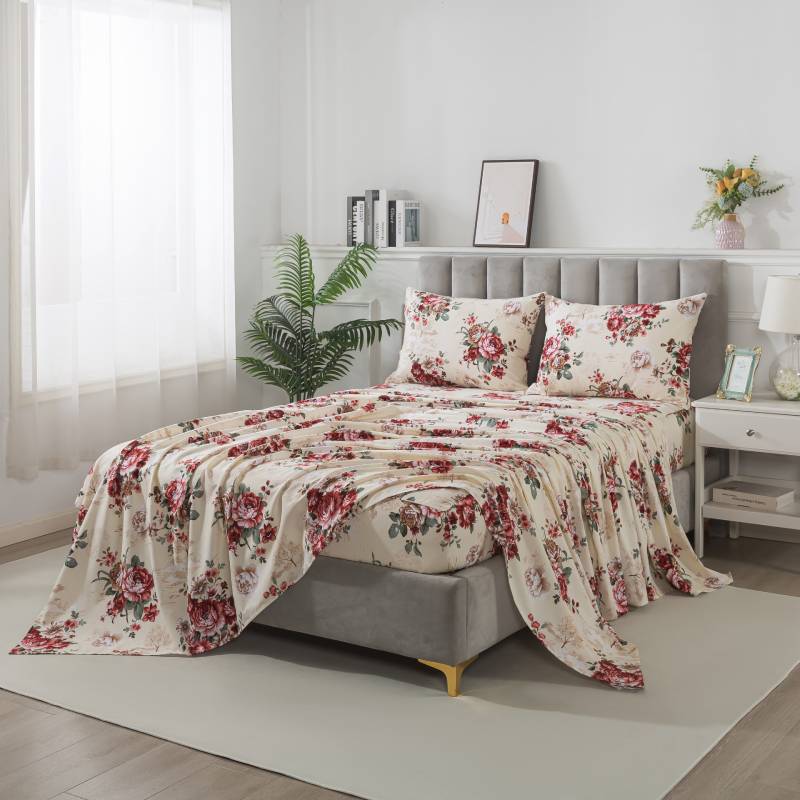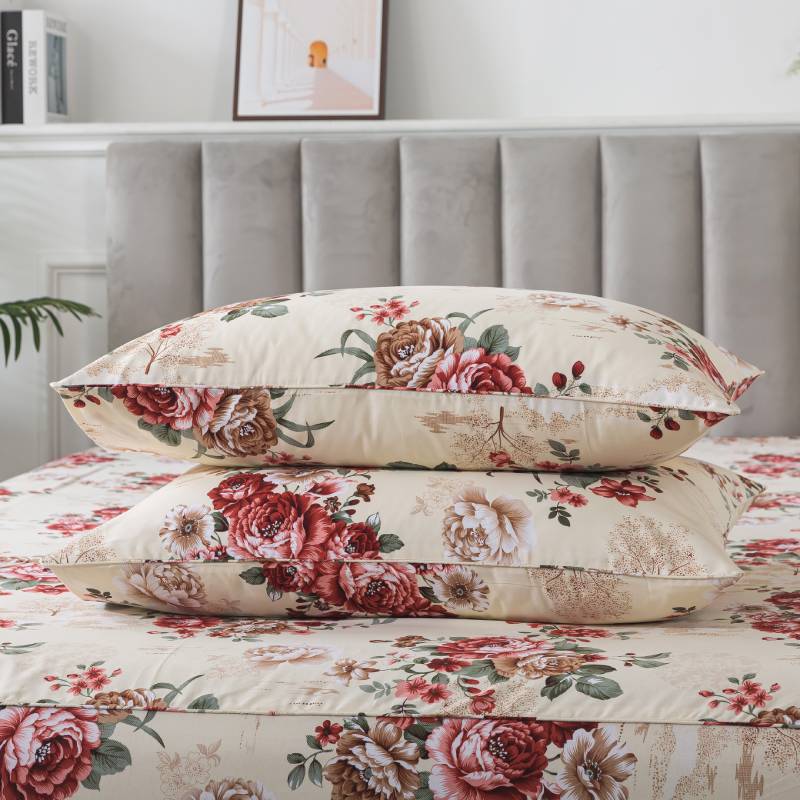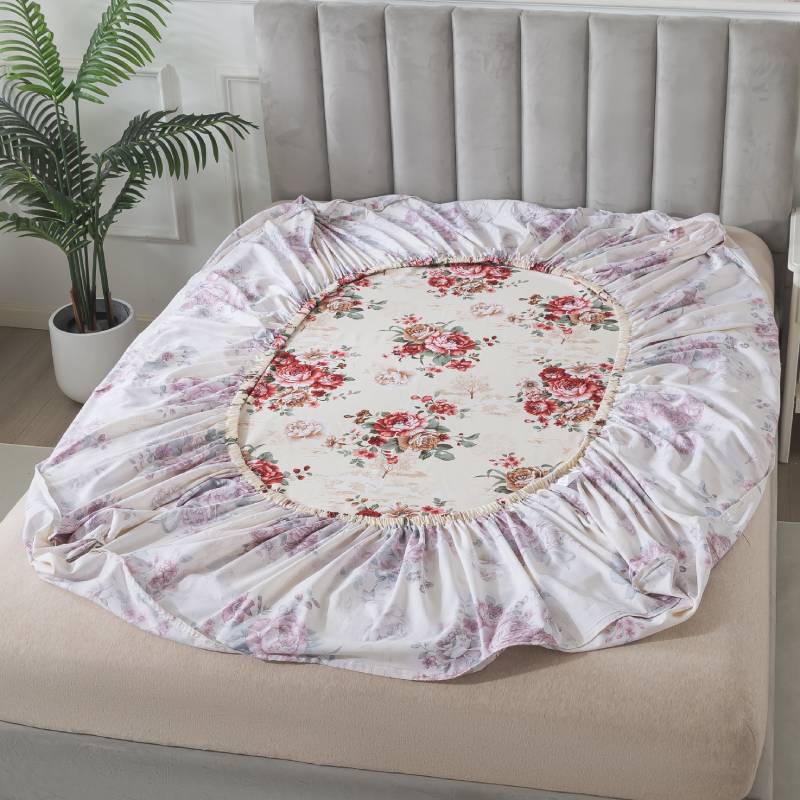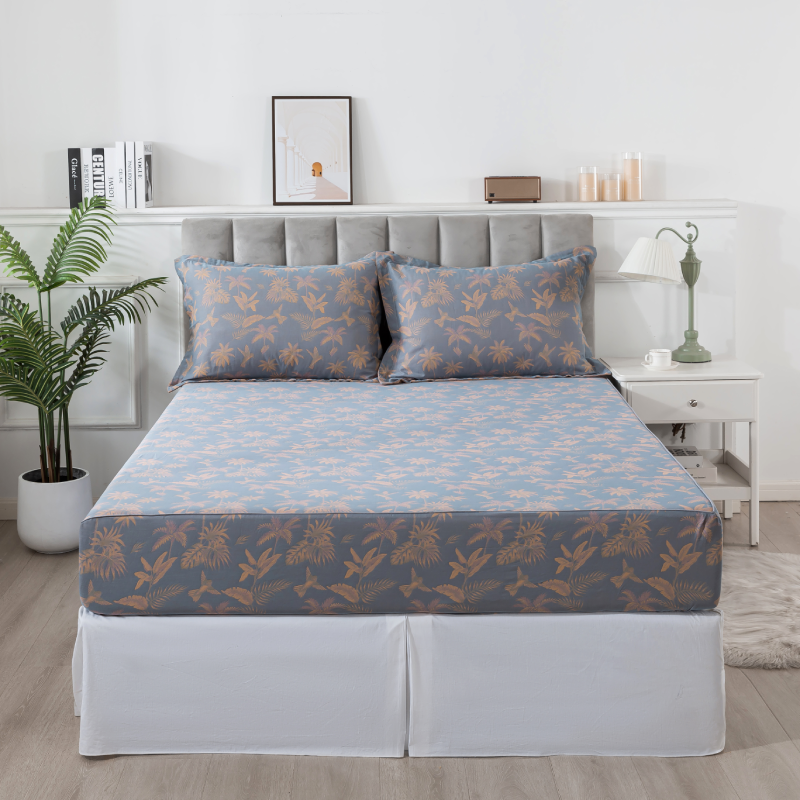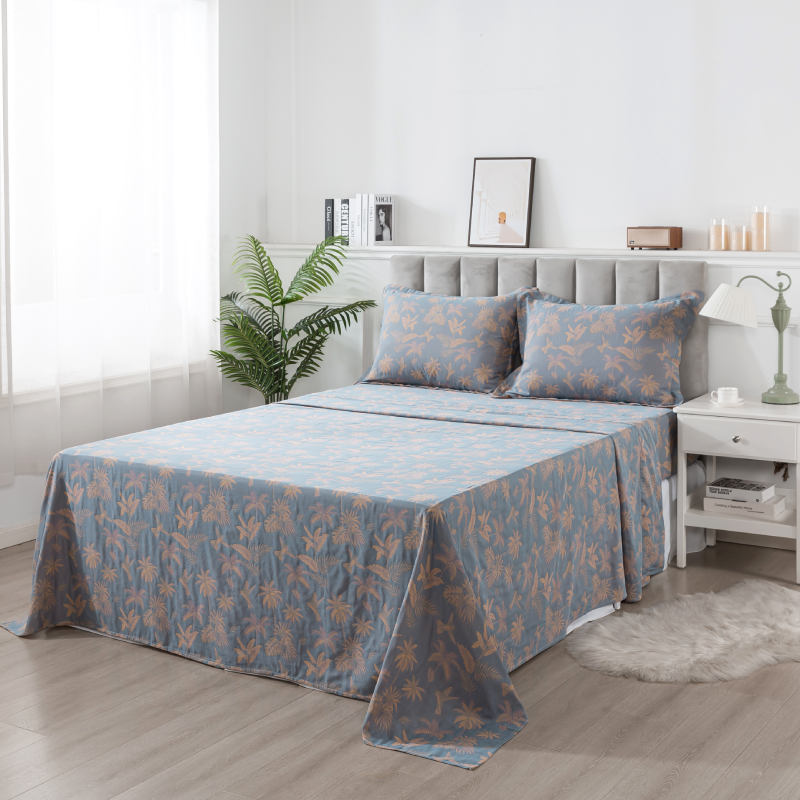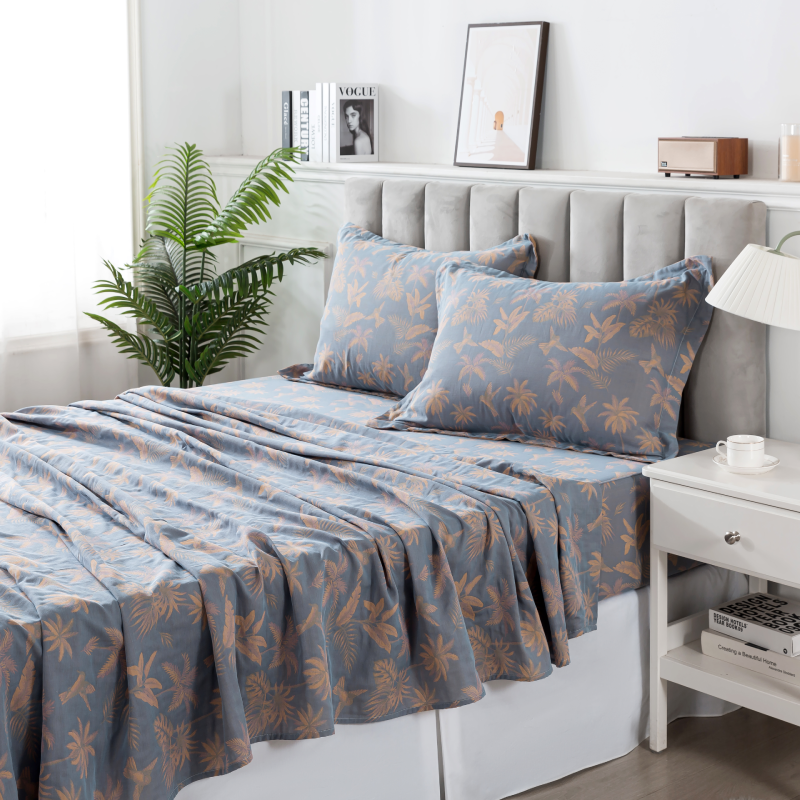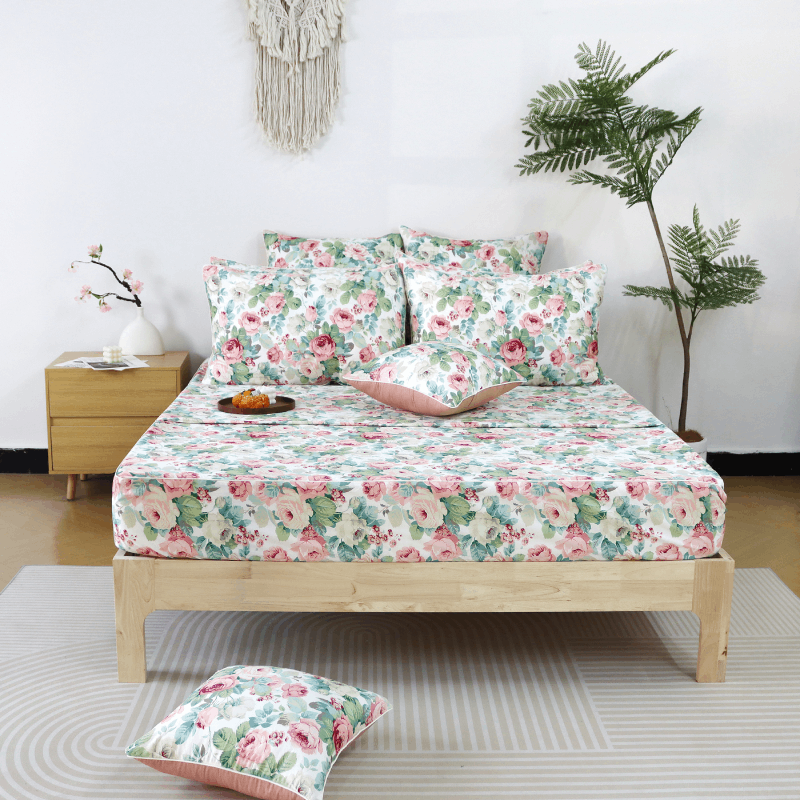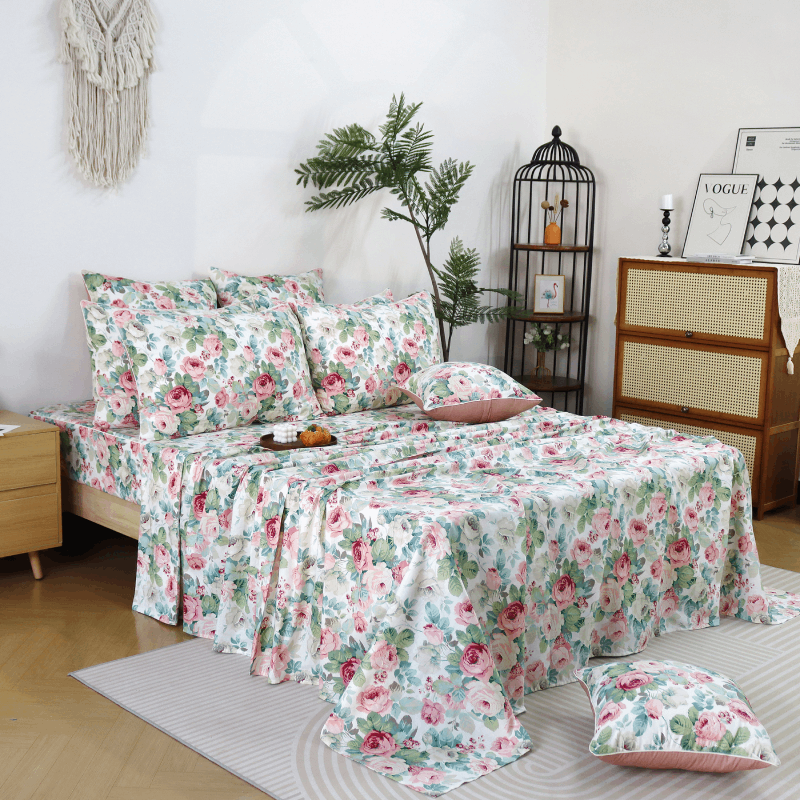





When people think about creating a calm bedroom, they often start with furniture: the bed frame, the nightstands, the lighting. But calm doesn’t come from structure alone. It comes from what touches you, surrounds you, and quietly shapes how the space feels every single night. More often than not, the true foundation of a restful bedroom is textiles.
Sheets, quilts, pillowcases, and throws do far more than decorate a room. They regulate temperature, soften sound, influence visual balance, and affect how your body relaxes. If your bedroom never quite feels peaceful—even when it looks good—the issue may not be the layout or color scheme, but the textiles you live with.
Calm Is a Sensory Experience, Not a Visual One
A bedroom can look serene and still feel restless. That’s because calm is sensory. It’s how the fabric feels against your skin, how it breathes as you sleep, how it moves when you turn at night. Stiff, synthetic, or overly heavy materials can create subtle tension in the body, even if you don’t consciously notice it.
Natural textiles—especially breathable cotton—support calm by working with your body rather than against it. They allow air to circulate, wick away moisture, and adapt to temperature changes throughout the night. When your body doesn’t need to regulate discomfort, your mind relaxes more easily.
Why Texture Matters More Than Pattern
Many people focus on pattern when choosing bedding, but texture plays a larger role in creating calm. Rough, slippery, or overly crisp fabrics can feel stimulating rather than soothing. Softer, matte textures tend to absorb light instead of reflecting it, reducing visual noise and creating a more grounded atmosphere.
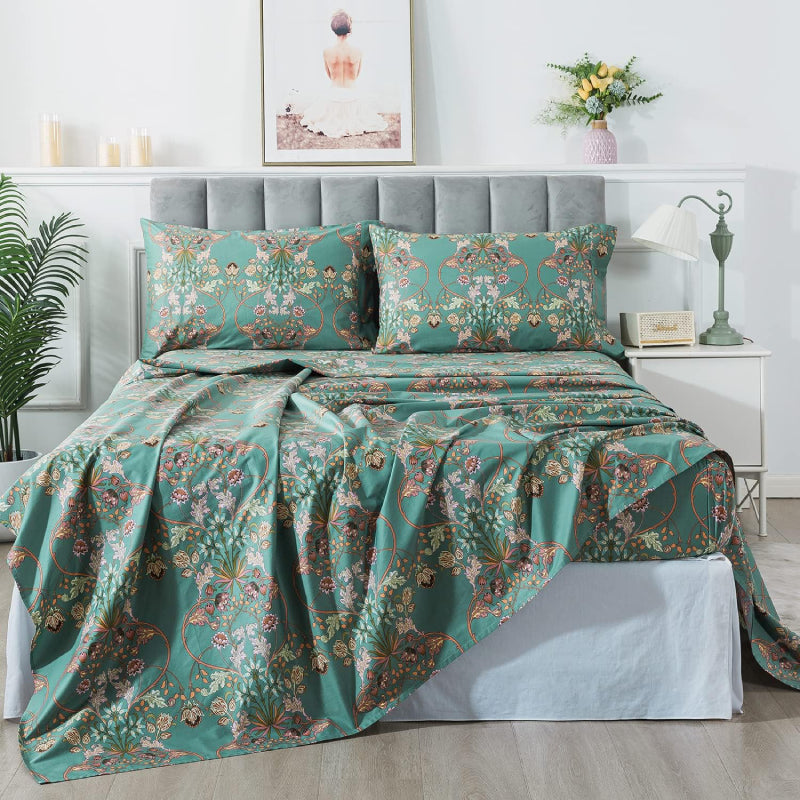
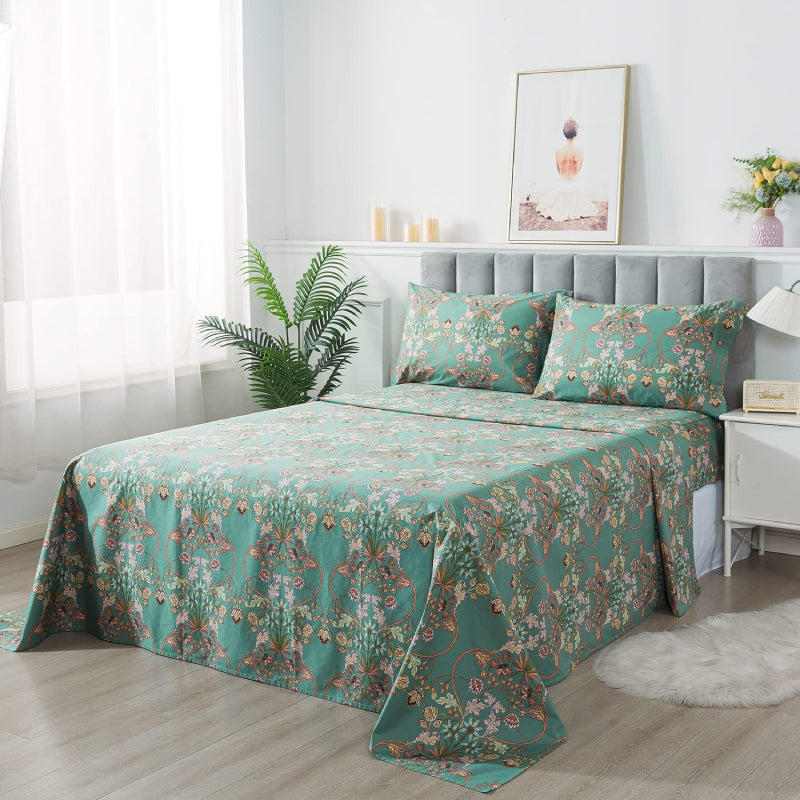
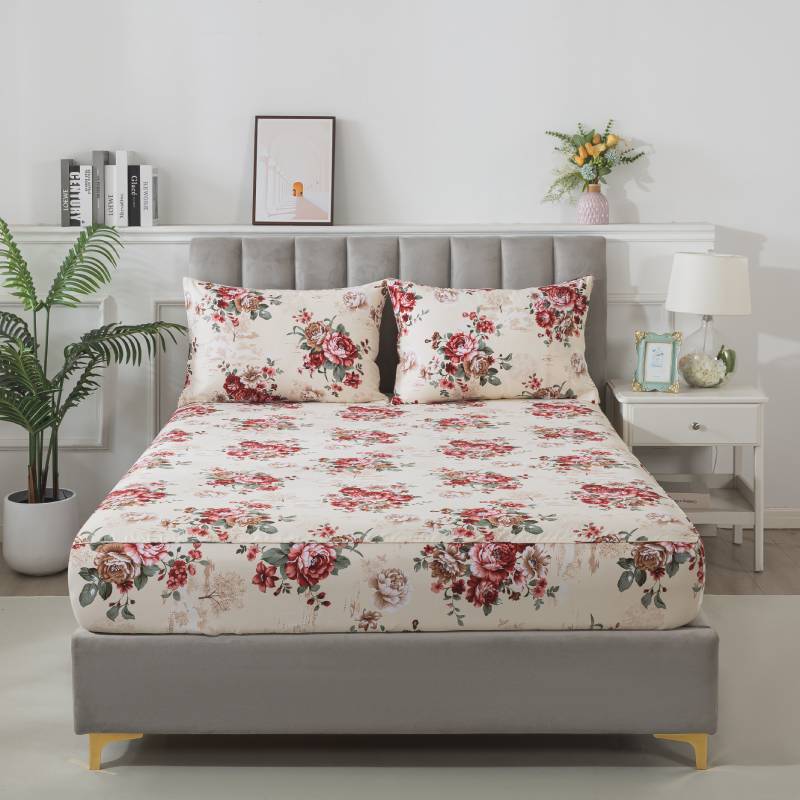
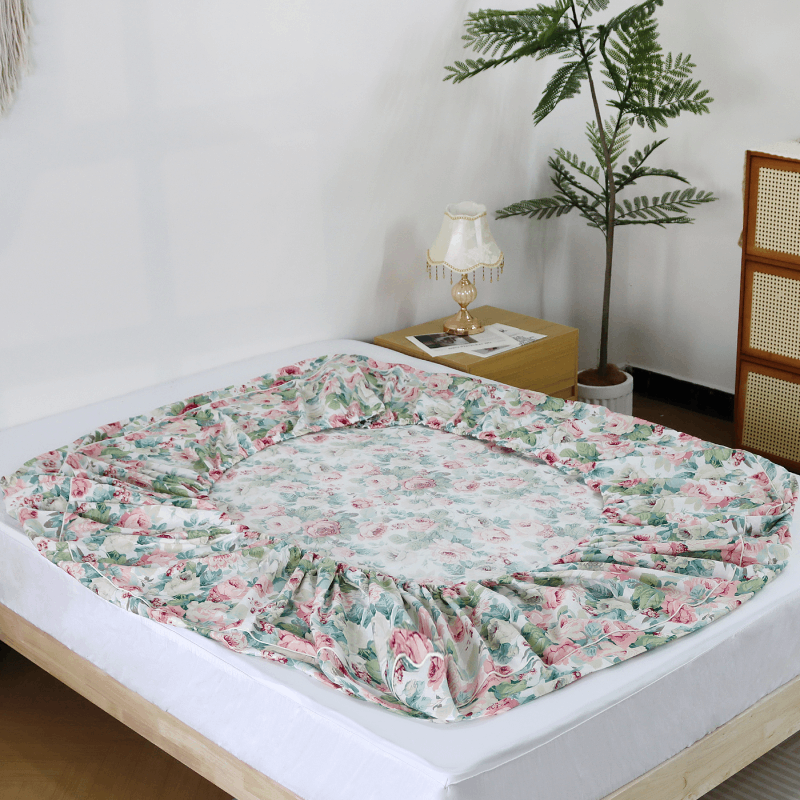
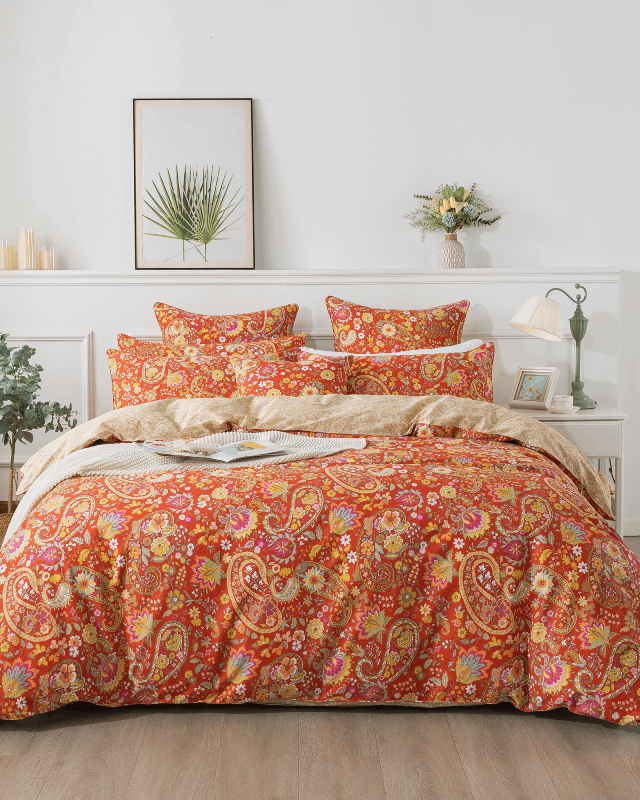
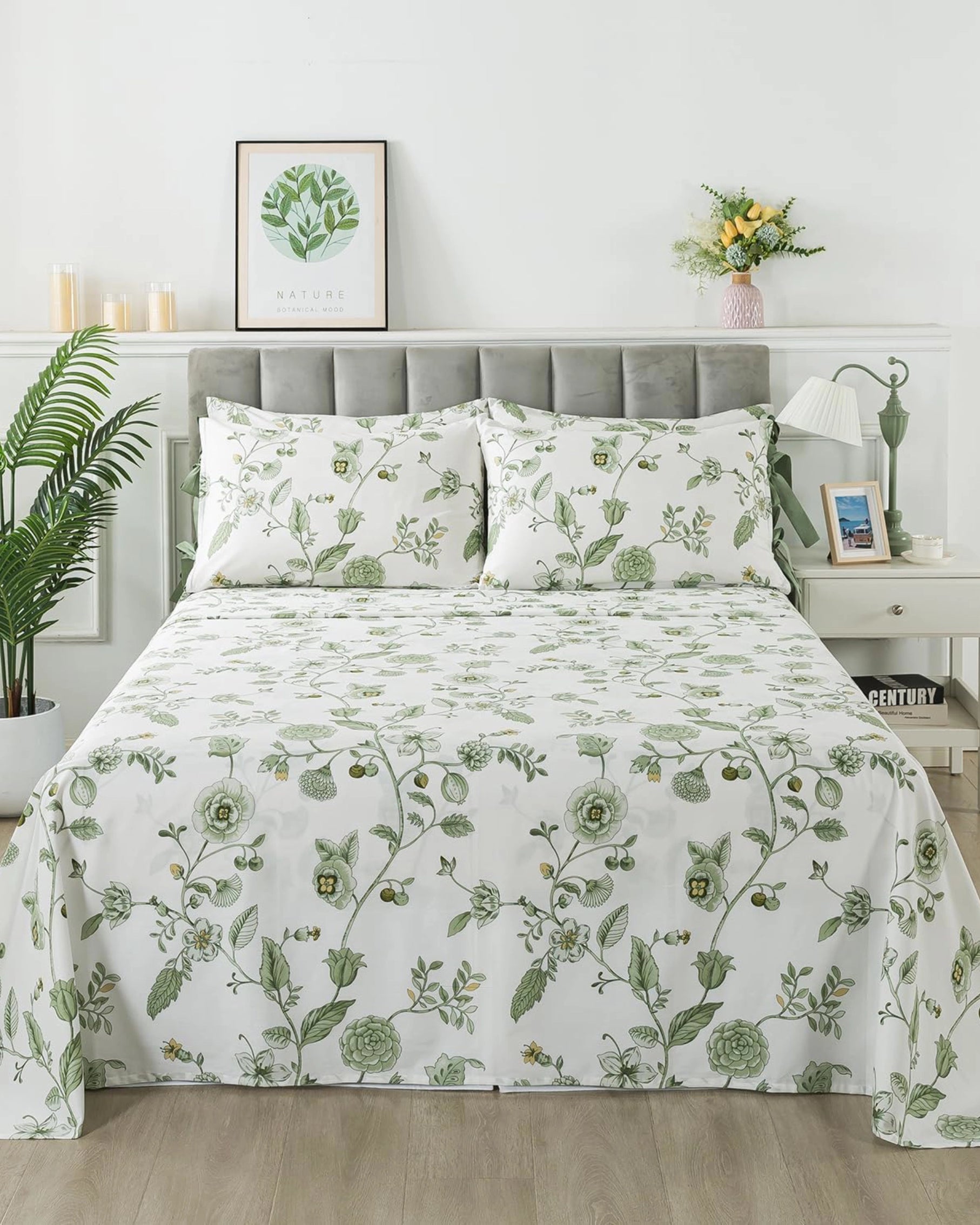
This doesn’t mean your bedroom needs to be plain. Subtle florals, gentle weaves, or lightly textured cottons can add interest without overwhelming the senses. The key is restraint—patterns that feel integrated, not attention-seeking.
Breathability Creates Mental Ease
A common cause of restless sleep is overheating. Even beautiful bedding can become a problem if it traps heat or doesn’t release moisture. Breathable textiles help maintain a stable sleep environment, which directly impacts how deeply you rest.
Cotton quilts and covers, especially those designed for everyday use, excel here. They provide warmth without weight and comfort without confinement. When your bedding adapts to you—not the other way around—you stop thinking about it altogether. And that’s often the clearest sign that something is working.
Visual Calm Comes from Cohesion
Textiles are the largest visual elements in most bedrooms. The bed usually occupies the center of the room, and whatever covers it sets the emotional tone. Calm bedrooms tend to use cohesive textile palettes—colors that relate to one another, patterns that feel intentional, and materials that share a similar softness.
This doesn’t require matching everything perfectly. In fact, slightly imperfect coordination often feels more relaxed. A quilt with gentle patterning paired with solid pillowcases, or layered cottons in adjacent tones, creates visual rhythm without rigidity.

Sound, Movement, and the Unseen Role of Fabric
Textiles also affect sound and movement. Softer materials absorb noise, reducing echoes and sharp sounds that can subtly increase stress. Heavy synthetics or stiff fabrics can rustle or crackle when you move, pulling you out of sleep. Softer cottons move quietly, allowing transitions during the night to remain almost unnoticed.
These details seem small, but over time they add up. A calm bedroom isn’t defined by one dramatic choice—it’s built through dozens of quiet ones.
Designed for Real Life, Not Just Photos
One of the biggest mistakes in bedroom design is choosing textiles for appearance alone. Bedding that looks perfect but requires constant adjustment, special care, or delicate handling introduces friction into daily life. Calm is closely tied to ease.
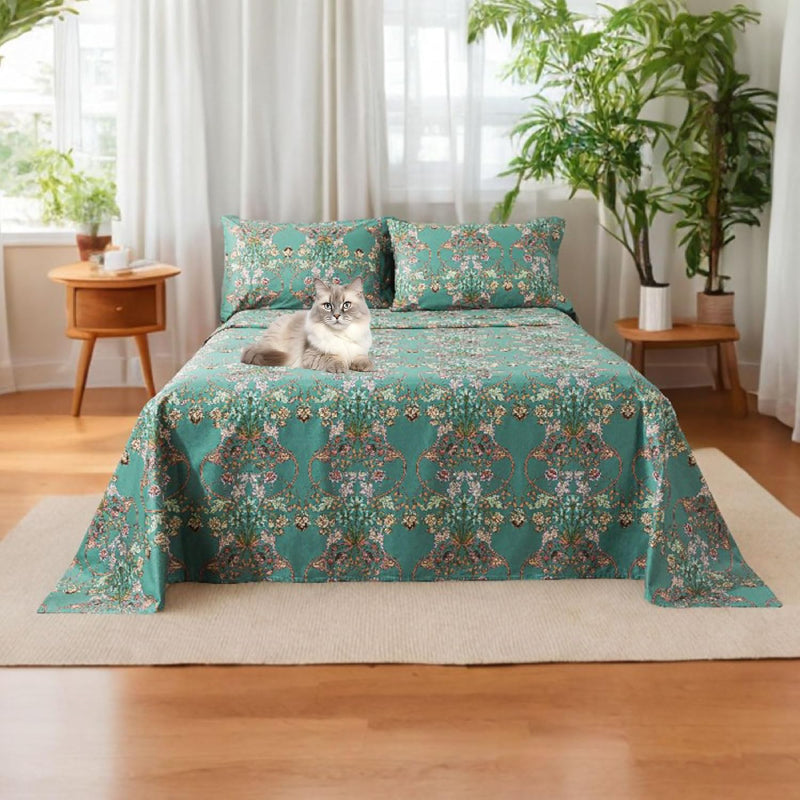
Textiles that age well, wash easily, and accept natural creases tend to feel more honest and livable. They don’t demand perfection. Instead, they adapt to your routine—pets jumping on the bed, quick morning make-ups, relaxed weekend naps. This acceptance of real life is, in itself, calming.
The Right Textiles Change How You End Your Day
At the end of a long day, your bedroom should feel like a release, not another space to manage. When the textiles are right, the bed becomes an invitation rather than an instruction. You don’t need to adjust, fluff, or fix anything. You simply lie down.
Calm doesn’t come from luxury labels or elaborate styling. It comes from thoughtful choices that respect how people actually live and sleep. Start with the textiles, and the rest of the room often falls into place.
Because in the end, a calm bedroom isn’t about how it looks at first glance—it’s about how it feels every night.