


Most people know when a bed feels unfinished.
They may not be able to explain why—but they sense it.
The sheets are clean. The quilt is new. The pillows are fluffed.
And yet, something still feels off.
A “finished” bed isn’t about styling tricks or hotel-level extravagance. It’s about a series of small, often overlooked details that quietly work together. When they’re right, the bed disappears into daily life. When they’re wrong, no amount of decoration can compensate.
Here are the details most people miss—and why they matter more than you think.
1. How the Fabric Settles, Not How It Looks New
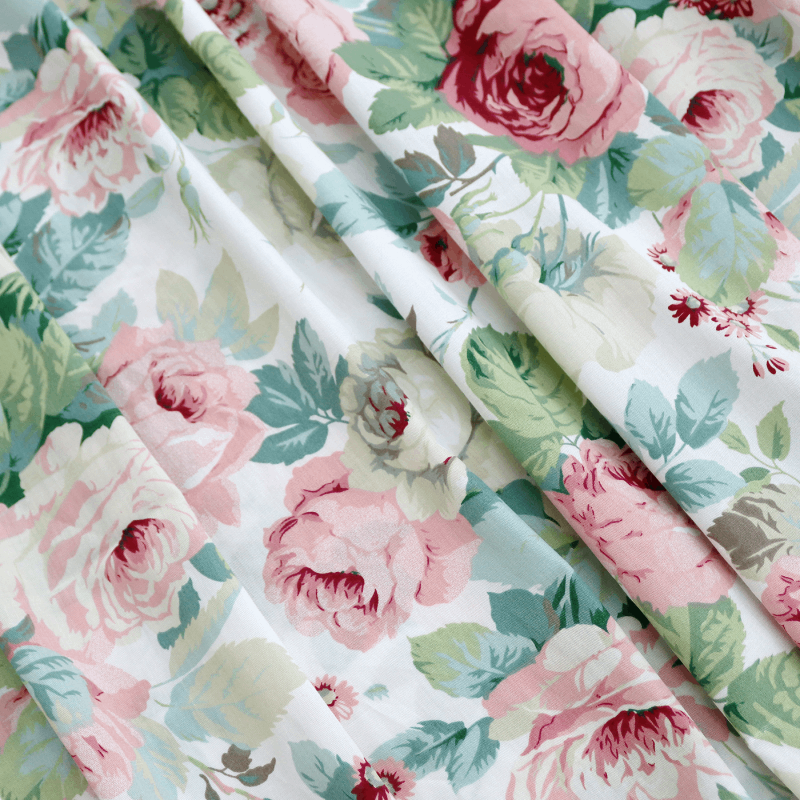
Many bedding sets look their best straight out of the package: crisp, smooth, perfectly pressed. But a finished bed isn’t judged in its first hour—it’s judged after weeks of use.
Pay attention to how the fabric behaves:
-
Does it soften without thinning?
-
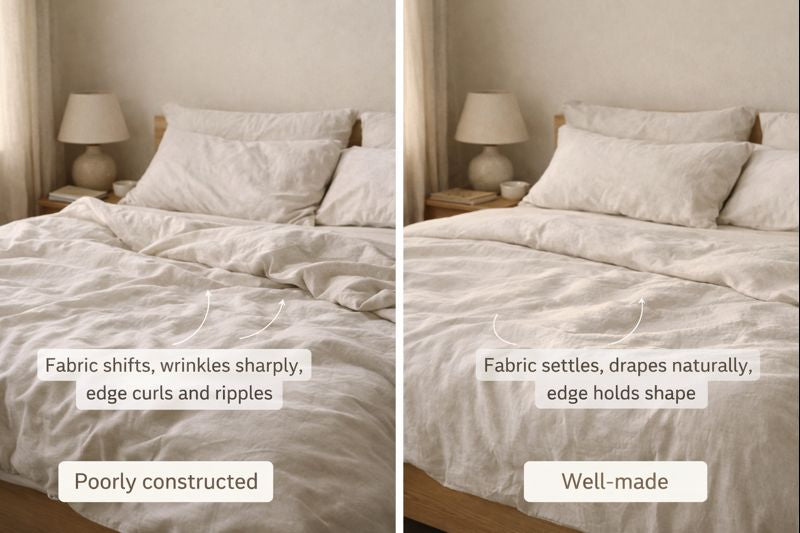
Do wrinkles fall naturally, or do they look stiff and sharp?
-
Does the surface stay calm, or does it constantly bunch and shift?
Bedding that settles well creates visual quiet. It doesn’t fight the body or the mattress. It relaxes into place, which is often what people interpret as “put together,” even if they can’t articulate it.
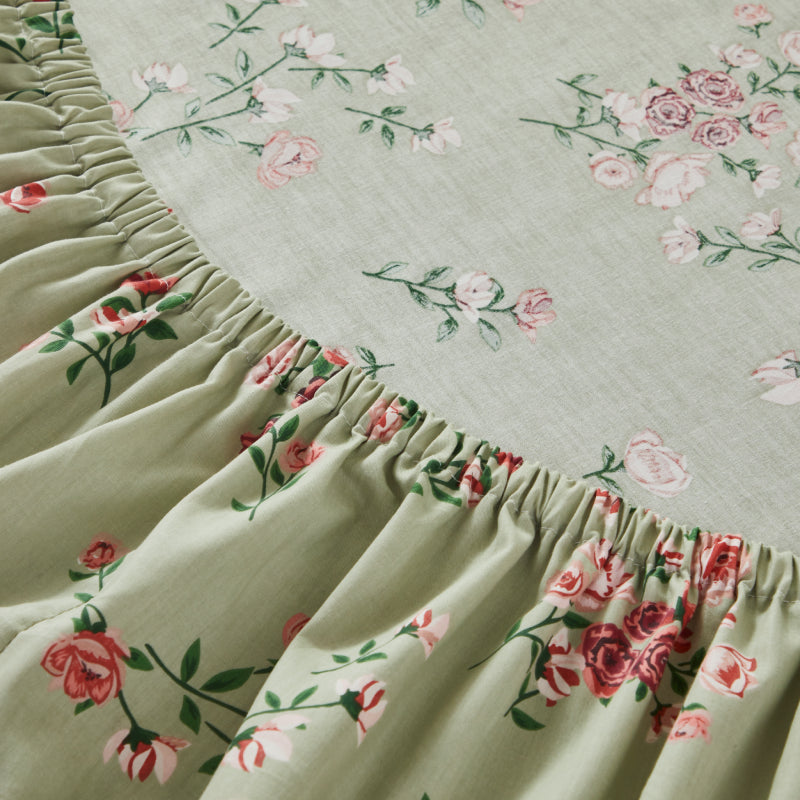
2. Edge Construction (The Part You Rarely Notice—Until It’s Wrong)
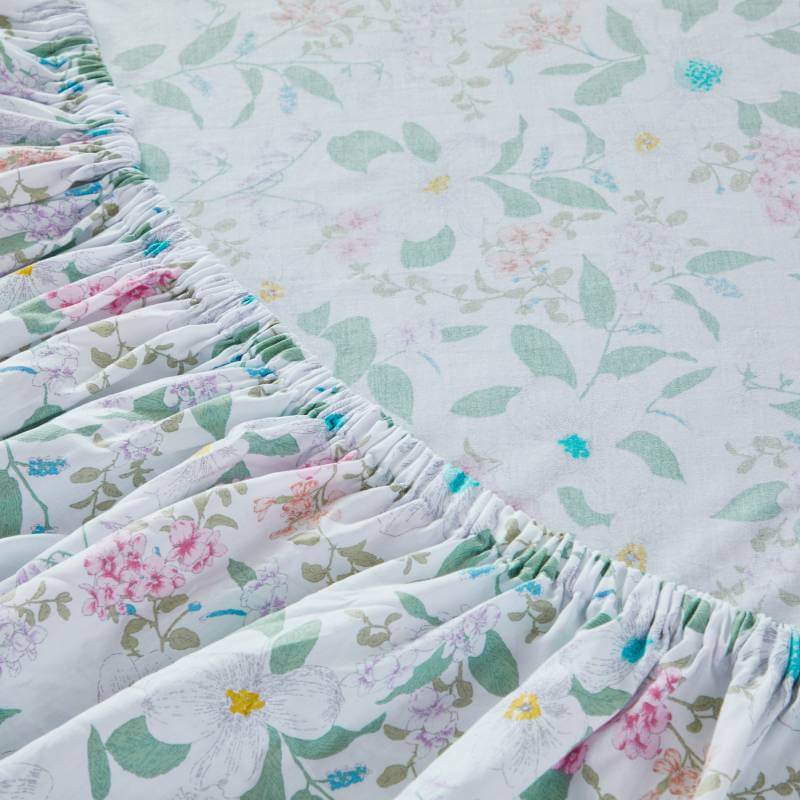
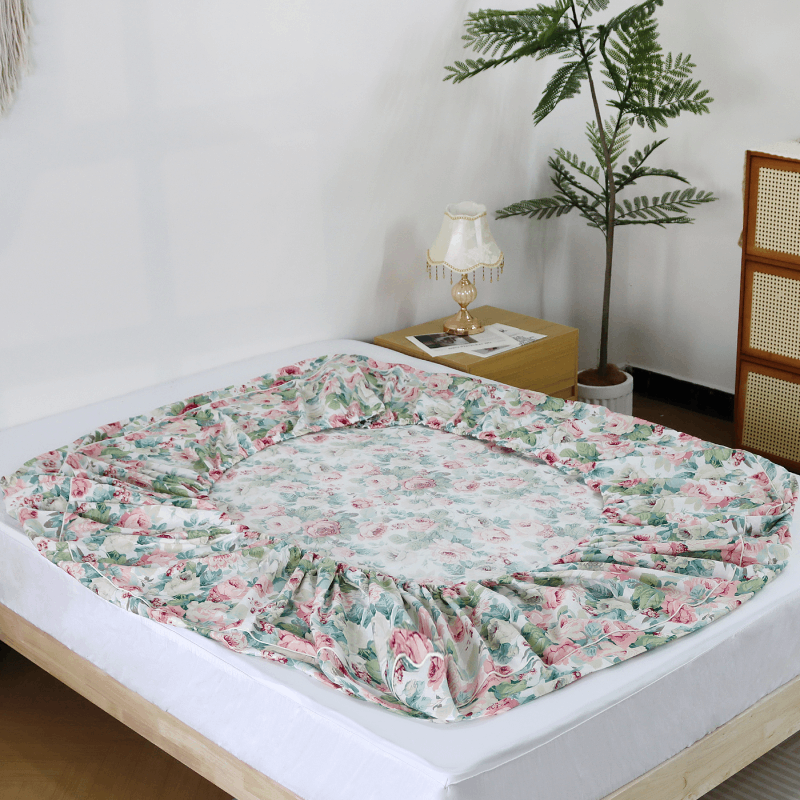
Edges do more than finish a piece visually. They determine how bedding holds its shape over time.
Look closely at:
-
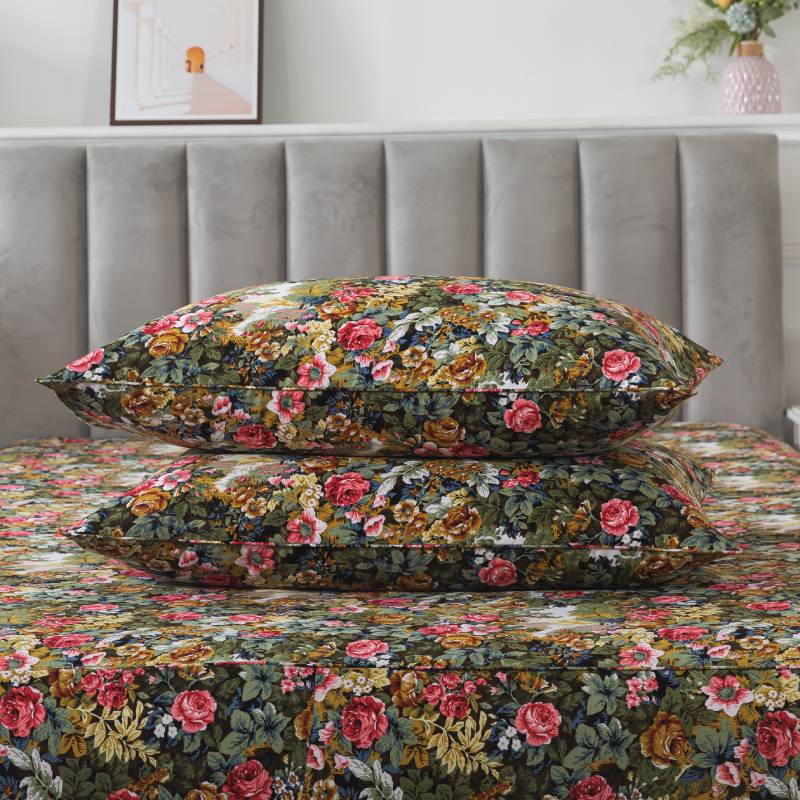
Binding on quilts
-
Stitch density along seams
-
How corners are reinforced
Poorly constructed edges curl, ripple, or collapse after washing. Well-made edges stay flat and balanced, helping the entire bed look intentional—even slightly imperfect in a good way.
This is one reason why two bedding sets made from similar materials can feel dramatically different after a month of use.
3. Weight Balance, Not Just “Light” or “Heavy”
People often describe bedding in extremes: too heavy or too light. But the real issue is balance.
A finished bed has weight where it matters and lightness where it doesn’t:
-
Enough weight to anchor the quilt so it doesn’t slide
-
Enough air in the fabric to keep it breathable
-
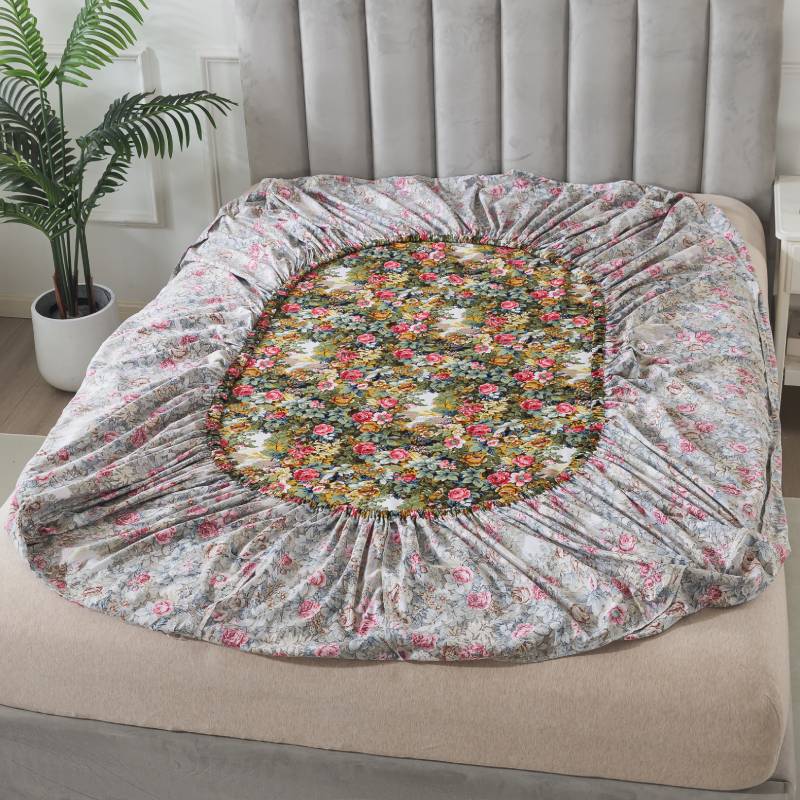
Enough drape to follow the mattress instead of hovering above it
When weight is poorly distributed, bedding feels restless. You’re always adjusting it. When it’s balanced, the bed stays visually calm—even after a night of real sleep.
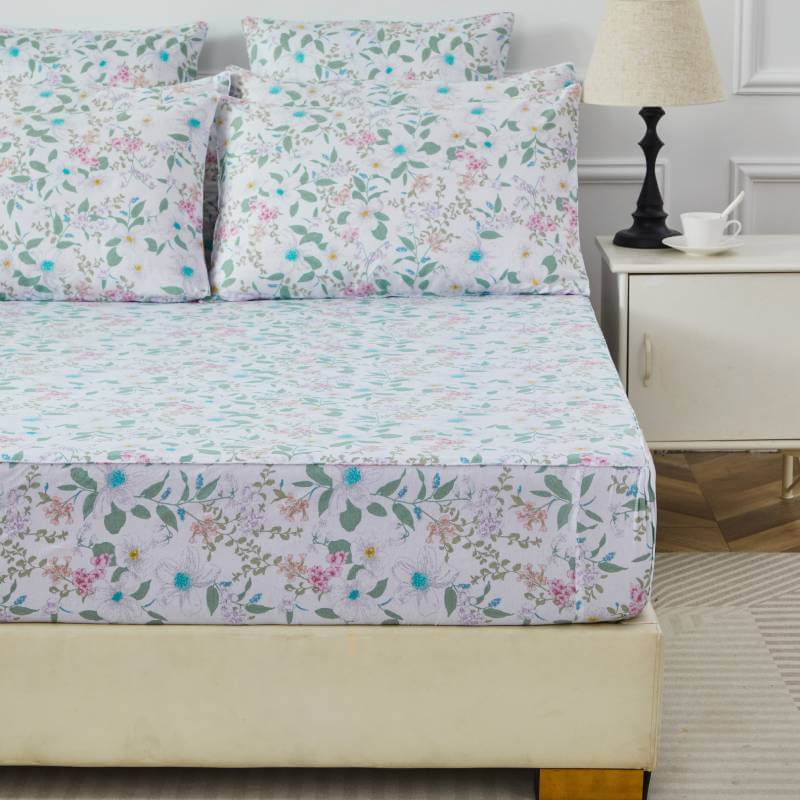
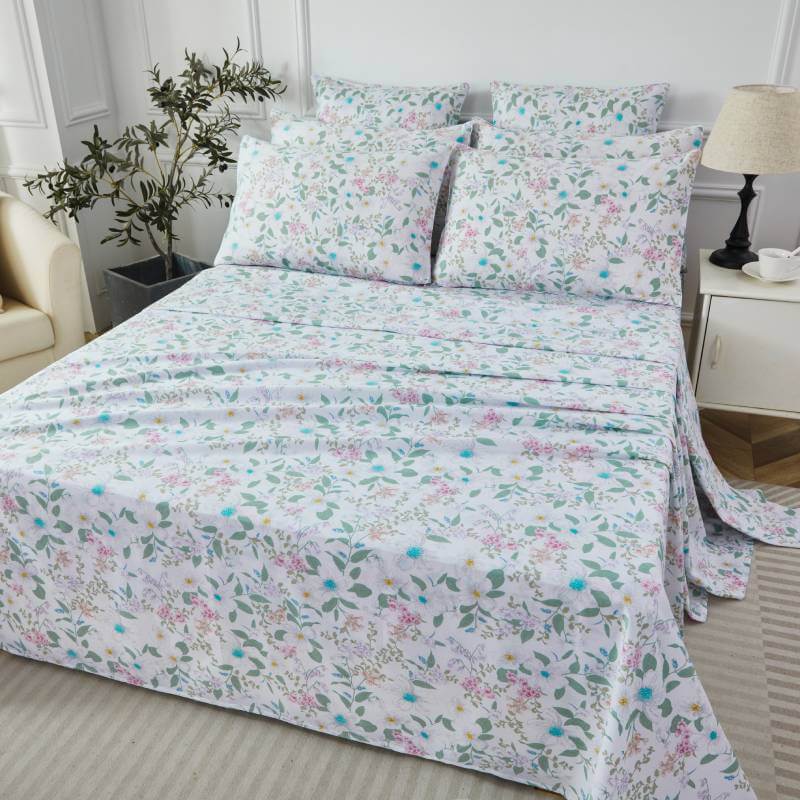
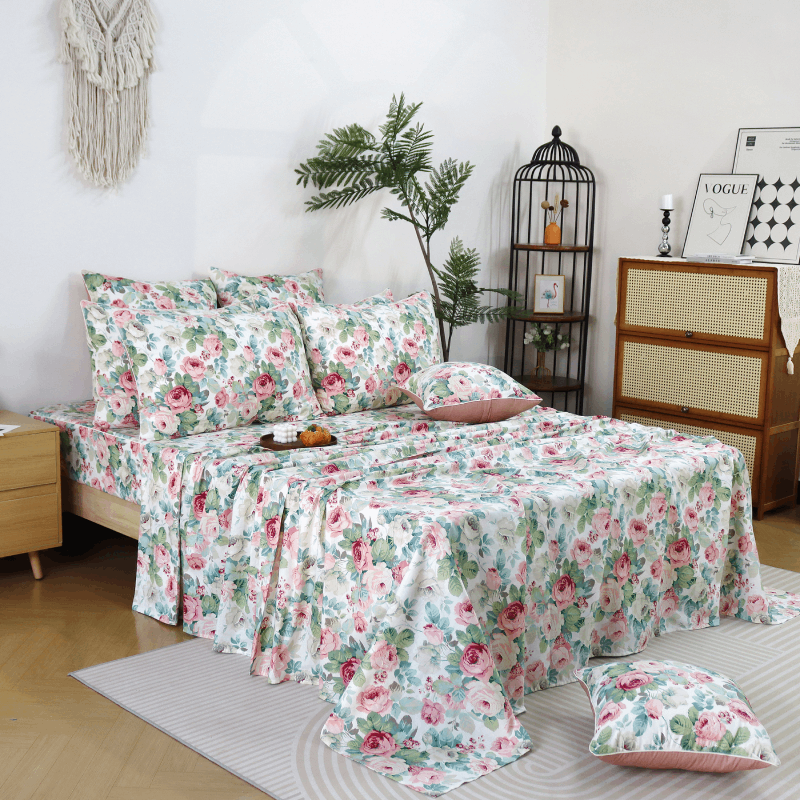
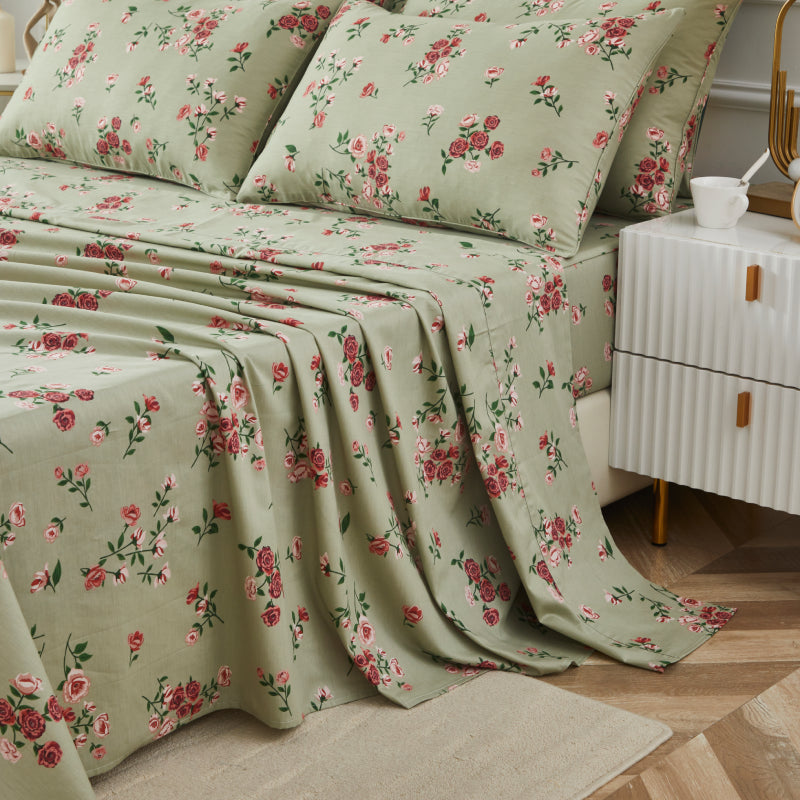
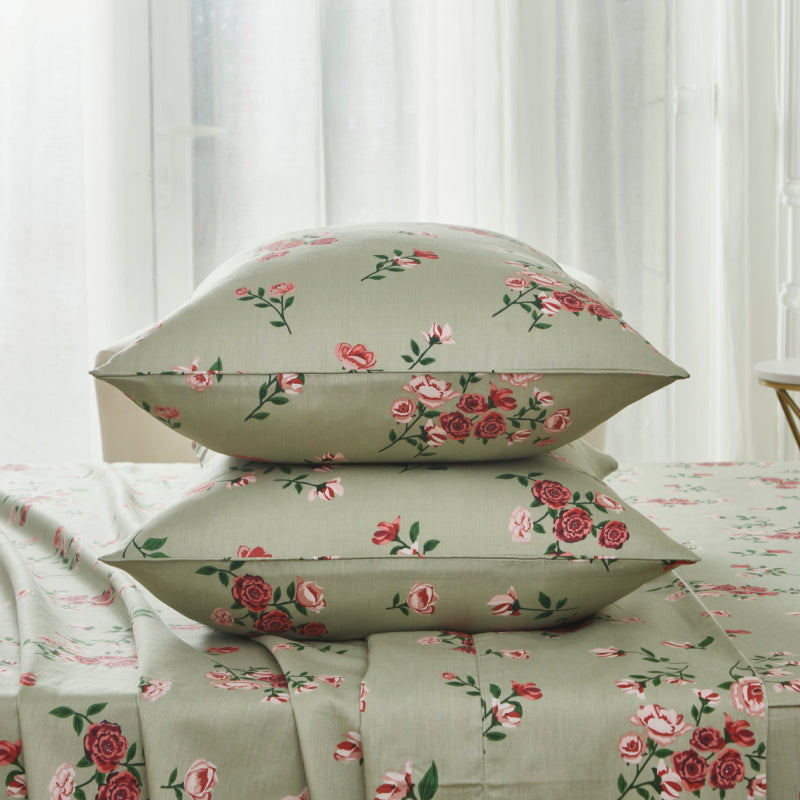
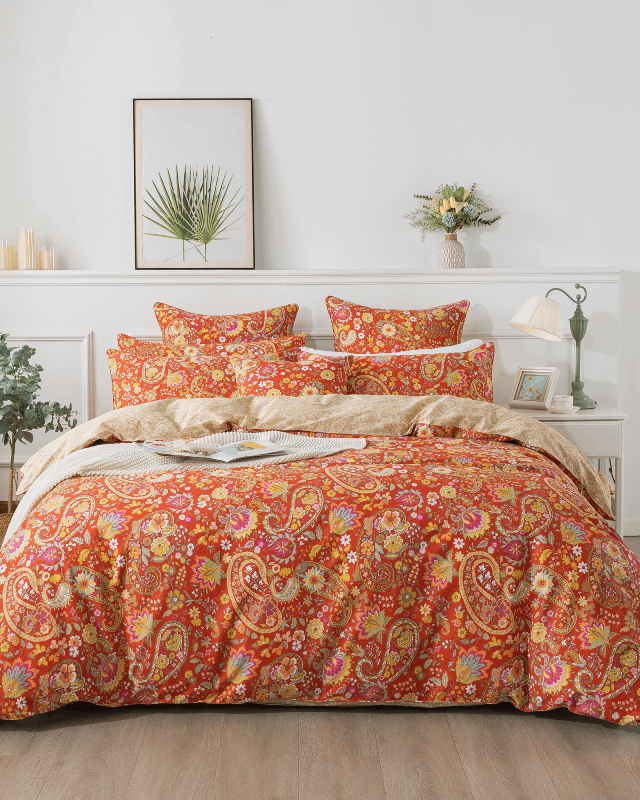
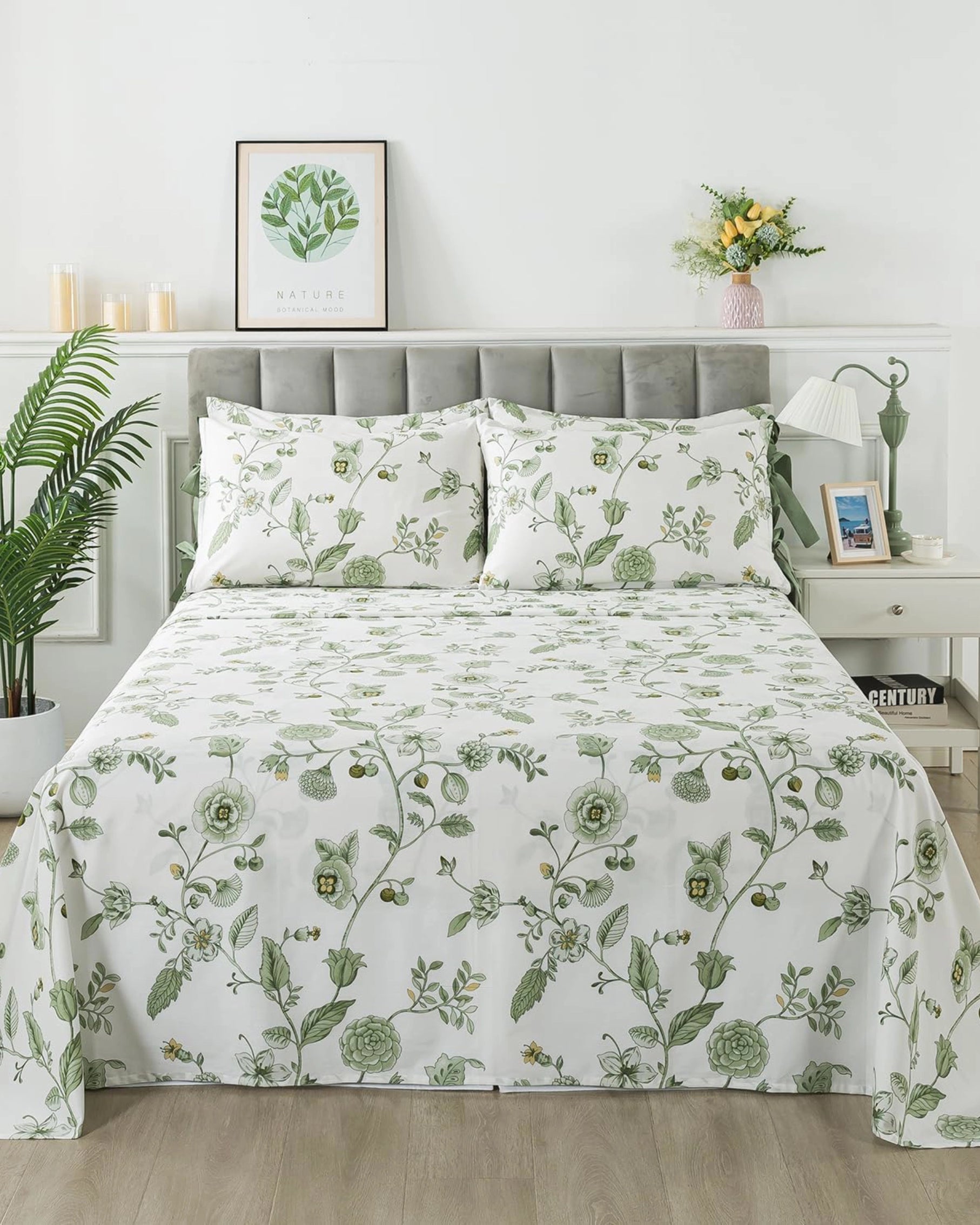
4. Pattern Scale That Respects the Bed
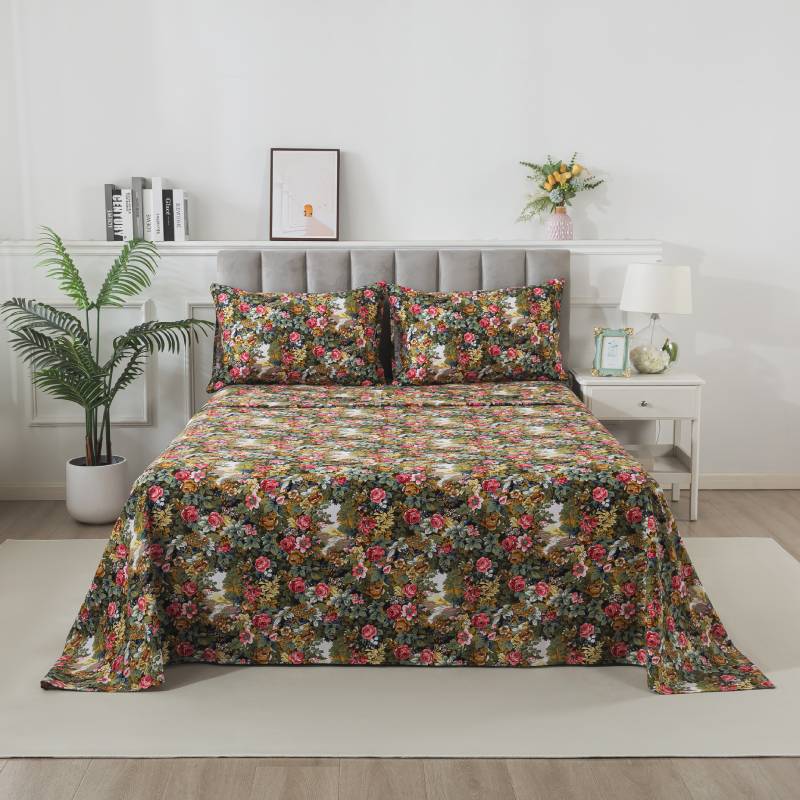
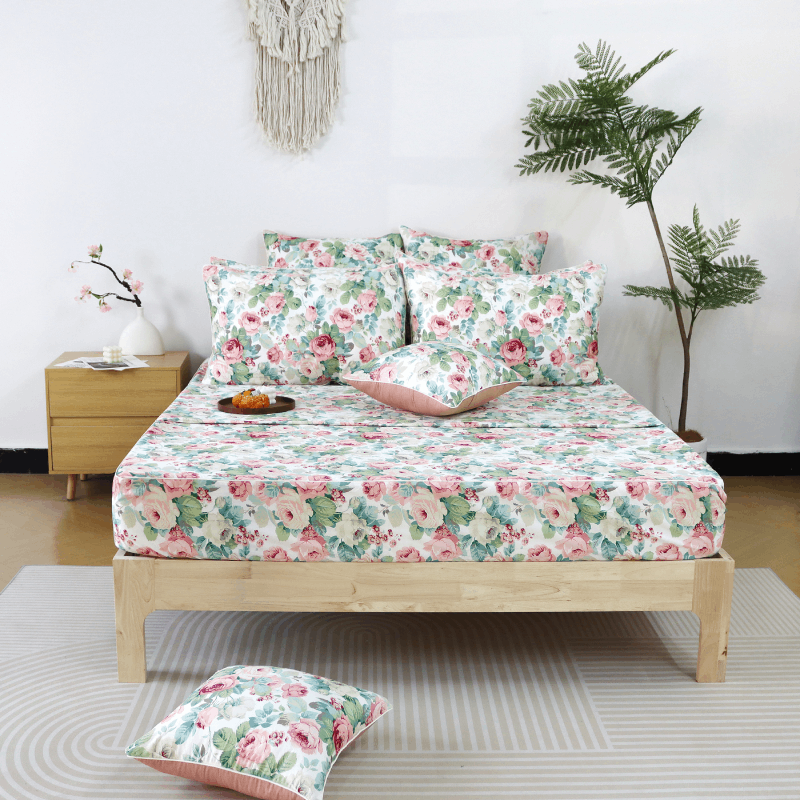
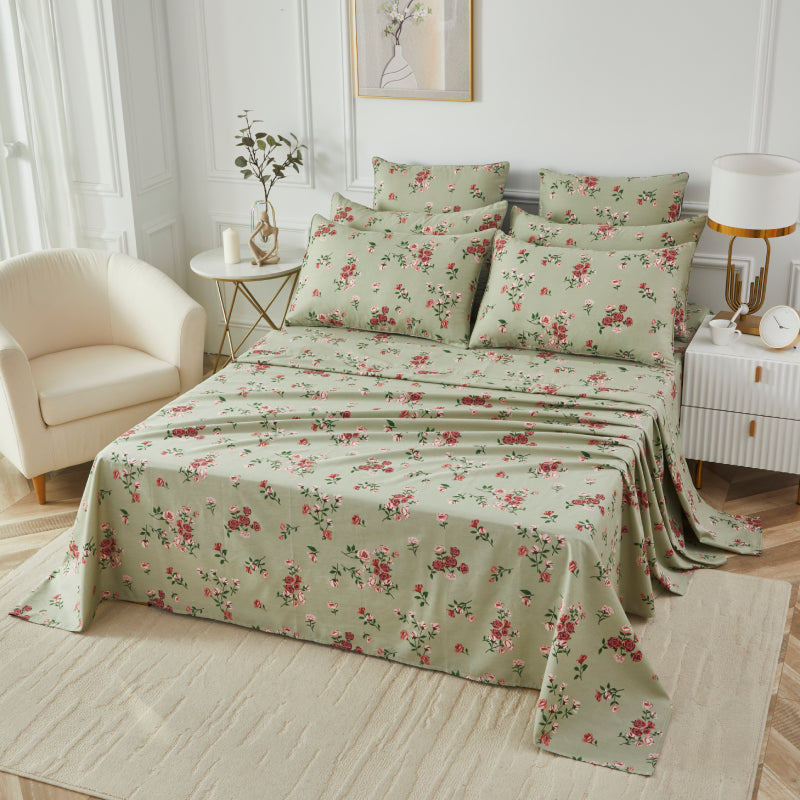
Patterned bedding often fails not because the pattern is unattractive, but because the scale is wrong.
Details that matter:
-
Small patterns that become visual noise when repeated across a full bed
-
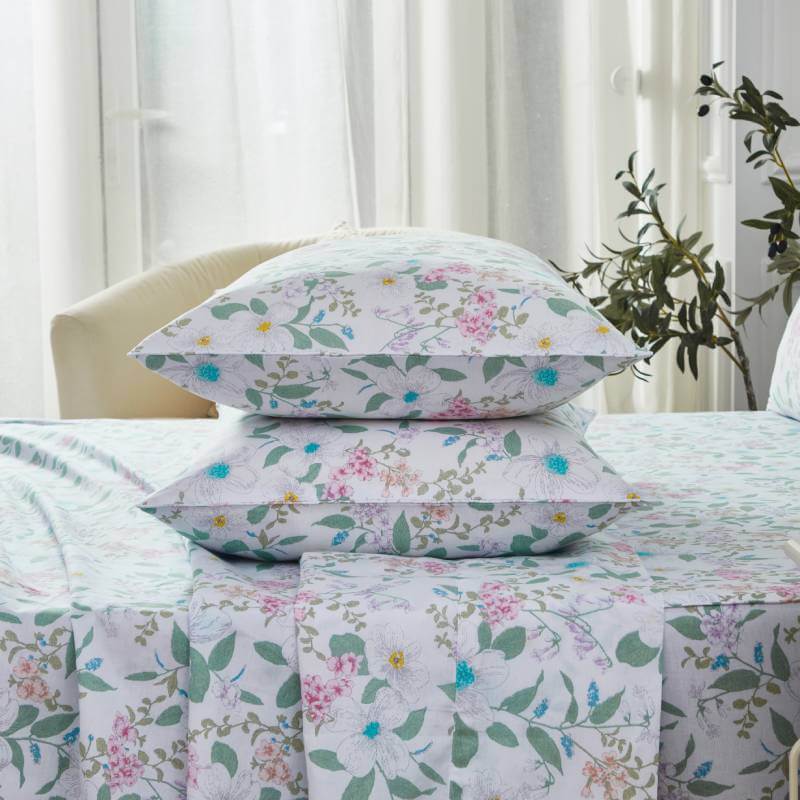
Large motifs that feel cropped or awkward once pillows are added
-
Florals or geometrics that dominate instead of supporting the space
A finished bed uses pattern as texture, not decoration. The design should hold up whether the bed is fully styled or casually unmade.
If a pattern only looks good in photos but feels overwhelming in real life, it’s not doing its job.
5. How It Interacts With Everyday Life
The most overlooked detail of all: how bedding lives with you.
A bed that feels finished:
-
Looks acceptable with natural wrinkles
-
Handles frequent washing without losing character
-
Doesn’t show wear immediately in high-contact areas
-
Feels equally appropriate on a busy weekday and a slow weekend morning
This is especially important in real homes—homes with pets, children, or simply people who use their beds as more than visual objects.
Bedding that demands constant adjustment or careful handling never truly feels complete. It feels managed.
6. Color That Ages Gracefully
Some colors are impressive on day one and exhausting by day thirty.
A finished bed uses color that:
-
Softens over time instead of dulling
-
Works in both daylight and low evening light
-
Doesn’t rely on contrast to feel interesting
Subtle color variation—whether through weave, print, or dye—adds depth without calling attention to itself. This is often what makes a bed feel “thought through” instead of styled for effect.
7. The Absence of Over-Styling
Ironically, the final detail is knowing when to stop.
Extra layers, excessive pillows, or decorative elements can make a bed look intentional—but rarely finished. A finished bed doesn’t need explanation. It feels resolved even when it’s simple.
If removing one element makes the bed feel better instead of worse, that’s a sign the original setup was compensating for something else.
A Finished Bed Doesn’t Perform. It Belongs.
The difference between a bed that looks good and a bed that feels finished is subtle—but once you notice it, you can’t unsee it.
A finished bed doesn’t impress at first glance.
It reassures over time.
It belongs to the room, to the home, and to daily life—not just to the moment it was made.
And that’s a detail most people don’t realize they’re looking for—until they finally find it.